
Vandaag of morgen in huis

Kwaliteit gegarandeerd

Welkomstaanbiedingen ontgrendelen: GRATIS bezorging | Tot 80% korting | Gratis 30 dagen JoyPlus-proefperiode
Download de app
A day cream with SPF combines your daily skincare routine with protection against UV rays. That sounds simple enough, but the differences between formulas, protection factors and skin types are vast. Choosing the wrong one can leave you with a greasy feel, tight skin, irritation, or a cream that pills under your make-up.
If you're searching for a face cream with SPF, hydrating day cream or anti-ageing day cream, it pays to look beyond the packaging. Below, you'll discover which features really matter and which common buying mistakes you can avoid.
Words like "anti-wrinkle", "glow" or "72-hour hydration" sound appealing, but they don't tell you everything about the texture or whether it suits your skin. According to a brand's own research, such results may have been achieved under specific test conditions. So always check:
For example, a product positioned as anti-ageing might be rich and nourishing, whereas combination or oily skin usually needs a lighter formula.
A day cream SPF 15 is designed for everyday use and limited time outdoors. The protection factor is not a free pass to stay in the sun for long periods. For beach days, exercise, cycling in strong sunlight or intense exposure, a separate facial sunscreen is often more practical.
Follow the usage instructions on the packaging. Apply enough product and reapply after prolonged exposure, sweating or towel-drying. No SPF product offers complete protection against UV radiation.
A universal description doesn't replace a personal assessment. Dry skin usually needs a richer cream with ingredients like glycerine, shea butter, oils or hyaluronic acid. Combination skin may respond better to a light, low-oil texture. For sensitive skin, fragrance-free formulas and a simple ingredient list are key things to check.
Choose between SPF 15, SPF 25 and SPF 30 based on your daily routine. SPF 15 is common in day creams for the office, errands and normal commuting. A day cream SPF 30 may be more sensible if you're outdoors more often or want higher protection in your morning routine.
Also look for mention of UVA and UVB protection. An SPF value mainly tells you about protection against UVB; so check whether the product information covers both types of UV radiation.
Fragrance isn't necessarily undesirable, but it can be a reason for some people to avoid a product. A fragrance-free day cream is therefore a practical choice if you're sensitive to scents. Always check the current ingredient list on the packaging, as formulas can change.
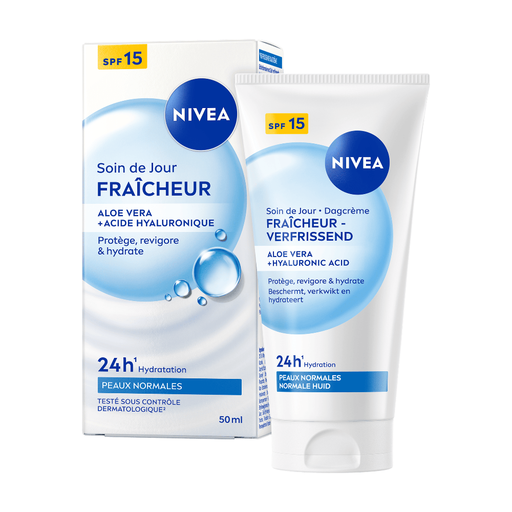
Why this fits the profile: An accessible daily face cream for normal skin, with a light formula and SPF 15.
The product description mentions a fast-absorbing formula and clearly states normal skin and SPF 15.
With glycerine, aloe vera and hyaluronic acid; 50 ml; dermatologically tested according to the product information.
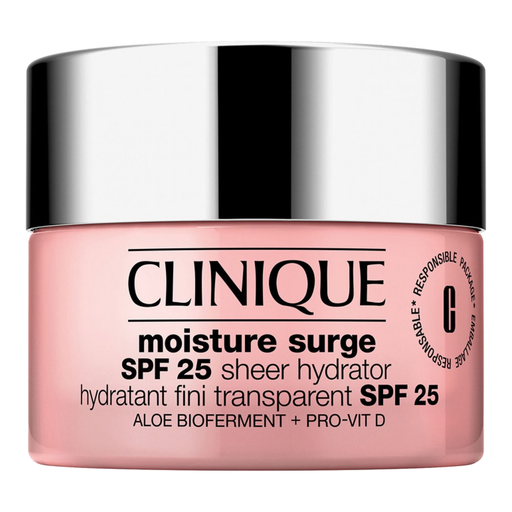
Why this fits the profile: For those who want a lightweight face cream with SPF that can also be worn under make-up.
The description specifies a transparent finish, light texture and 100% fragrance-free formula.
SPF 25; 50 ml; suitable for all skin types according to the product information; transparent finish.
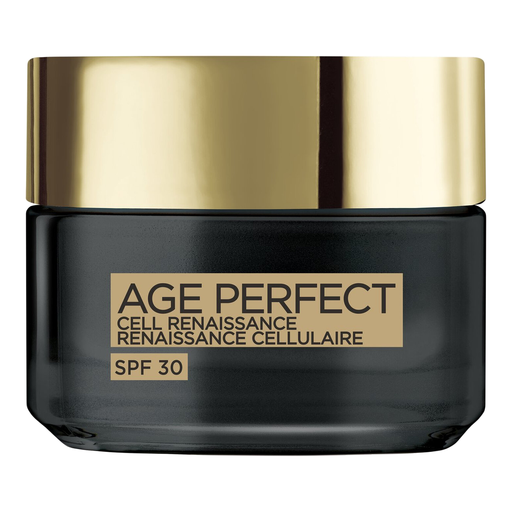
Why this fits the profile: An option for those looking for a day cream SPF 30 and a formula for normal or mature skin.
The SPF 30 is clearly stated and the product information mentions the intended skin type and use on face and neck.
SPF 30; 50 ml; intended for normal and mature skin; pump packaging according to the product specifications.
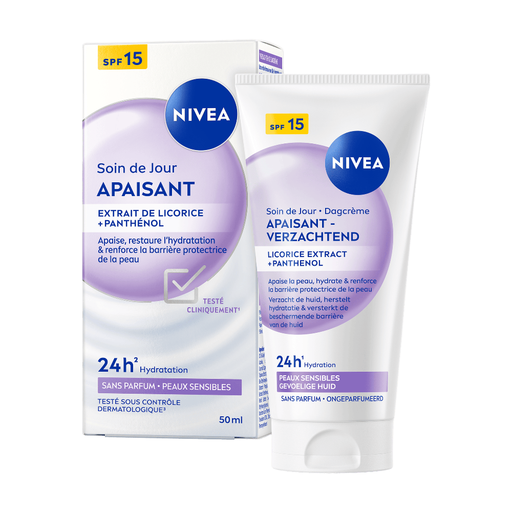
Why this fits the profile: For users looking for a face cream for sensitive skin with hydration and no fragrance.
Fragrance-free, pH-neutral and the indication for sensitive, dry and combination skin are explicitly included in the product information.
SPF 15; with panthenol and liquorice root extract; 50 ml; dermatologically tested according to the product description.
We've put together a full, up-to-date list of products that fully meet these strict selection criteria and comply with current European safety regulations.
Apply the cream in the morning to a cleansed face and, if you like, to your neck and décolletage. If you use a serum, let it absorb first. Avoid direct contact with the eyes and stop if irritation occurs. For prolonged sun exposure, a separate facial sunscreen is recommended. A day cream with SPF is mainly a practical part of your daily skincare routine, not your only defence against UV radiation.
That depends on your sun exposure. For short daily periods outdoors, SPF 15 can be suitable. In strong sunlight, longer outdoor activities or if you have fair skin, SPF 30 is often a more sensible choice. Apply enough and follow the instructions on the packaging.
Yes, many light formulas are designed for this. Let the cream absorb fully first and don't use more make-up than necessary. A fast-absorbing or transparent formula, as mentioned with some products, can be practical here.
The shelf life is stated on the packaging. Check the expiry date or the period after opening and store the cream according to the instructions, preferably away from direct sunlight or a heat source. If the smell, colour or texture changes noticeably, check the label first before continuing to use the product.
