
Vandaag of morgen in huis

Kwaliteit gegarandeerd

Welkomstaanbiedingen ontgrendelen: GRATIS bezorging | Tot 80% korting | Gratis 30 dagen JoyPlus-proefperiode
Download de app
Achieving radiant, even-toned skin while protecting it from the sun—that's the promise of a day cream with Vitamin C and SPF. But in a market saturated with boastful claims, finding a product that truly delivers is a challenge. Many creams fail to produce the desired results, falling into common pitfalls that are easy for consumers to overlook.
As a Product Recommendation Officer at Joybuy, I see which products are popular and which ones disappoint on a daily basis. Let's cut through the marketing jargon and focus on what really matters. These are the most common mistakes:
To avoid a wasted purchase, there are a few concrete specifications you should check. These determine whether a day cream with Vitamin C and SPF can actually do its job.
The combination of Vitamin C and SPF is no accident. Vitamin C acts as an antioxidant, helping to protect the skin from free radical damage caused by factors like UV radiation. SPF creates a shield against that same UV radiation. Together, they enhance each other's protective effects.
Therefore, always look for a product with at least broad-spectrum SPF 30. "Broad-spectrum" means it protects against both UVA rays (which cause skin ageing) and UVB rays (which cause sunburn). A hydrating day cream with SPF 30 is a solid foundation for your daily routine.
As mentioned, Vitamin C is unstable. The packaging is crucial. Opt for an opaque tube or a bottle with a pump. This type of packaging limits exposure to air and light, keeping the active ingredients stable for longer.
Additionally, the form of Vitamin C matters. L-ascorbic acid is the purest form but can be irritating. More stable derivatives like 3-O-Ethyl Ascorbic Acid or Sodium Ascorbyl Phosphate are often gentler and better suited to daily use in a cream.
A good brightening face cream often contains more than just Vitamin C. A popular and effective ingredient to combine it with is niacinamide (Vitamin B3). This powerhouse helps strengthen the skin barrier, reduce the appearance of pores, and refine skin texture. A niacinamide cream combined with Vitamin C can help tackle a dull complexion and early dark spots, leading to more radiant skin.
Based on these objective criteria, we have selected a few products that suit different needs and budgets.
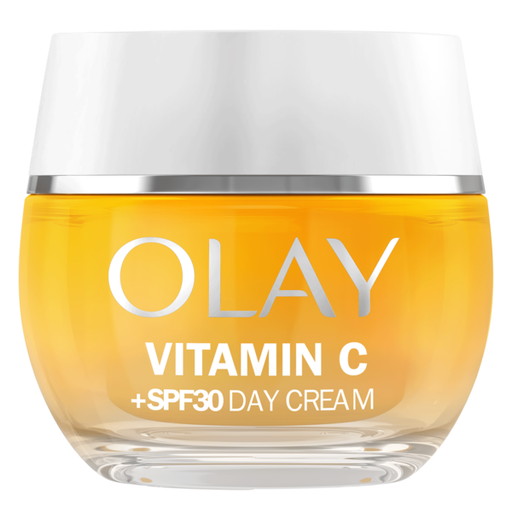
Why This Fits Their Persona: Ideal for those seeking a reliable all-in-one solution. This cream combines hydration, brightening, and sun protection in a single step, perfect for a quick morning routine.
This product bypasses the "just-not-enough" SPF trap by offering a solid, broad-spectrum SPF 30. The formula combines a stable form of Vitamin C with niacinamide, so you don't get lost in an overcrowded ingredient list.
The lightweight, non-greasy texture absorbs quickly and is suitable for normal to young skin. The addition of 99% pure niacinamide supports an even skin texture.
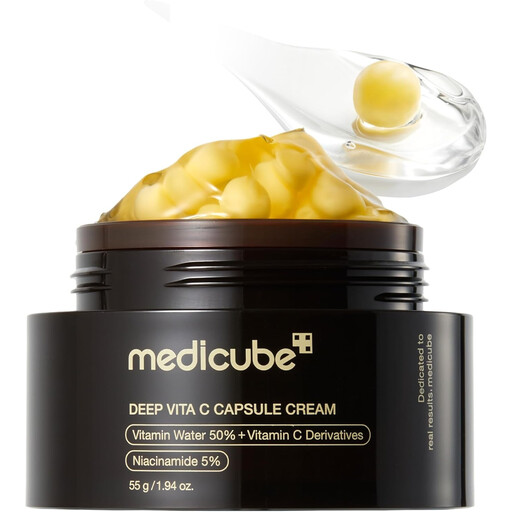
Why This Fits Their Persona: For those who take skincare seriously and are willing to take an extra step for a powerful formula. This person prefers a specialised cream and a separate, high-quality sunscreen.
This product tackles the "unstable Vitamin C" trap with encapsulated Vitamin C, which is only activated upon application. This guarantees maximum freshness and efficacy. Please note: this product does not contain SPF and must always be combined with a separate sunscreen.
The formula contains a high concentration of 5% niacinamide and sea buckthorn water. Its unique dual-component structure (gel and capsule) allows you to customise the texture to your skin's needs.
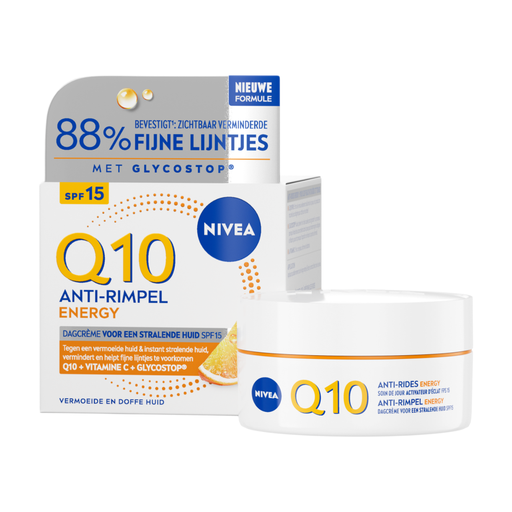
Why This Fits Their Persona: An accessible and affordable option from a trusted brand. Suitable for those who want to start with a Vitamin C cream and seek basic protection without a large budget.
We'll be transparent here: the SPF 15 is on the low side. This is sufficient for a short walk on a cloudy day, but for better protection, it's wise to use an additional sunscreen on sunny days. It's a starting point, not a final solution.
The formula combines Vitamin C with Q10, another antioxidant that energises the skin. It's a hydrating cream that helps combat a tired appearance and gives the skin a fresh glow.
We have compiled a complete, up-to-date list of products that fully meet these strict selection criteria and local regulations.
It's not recommended. SPF filters are unnecessary at night and can place an extra burden on the skin. For nighttime, it's better to use a cream focused on repair and hydration, without a sun filter.
Yes, but start cautiously. Look for products with milder, stable forms of Vitamin C (like Sodium Ascorbyl Phosphate, found in the Olay cream). Always perform a patch test first on a small area of skin, such as behind your ear or on the inside of your wrist, to see how your skin reacts.
To achieve the protection factor stated on the packaging, a generous amount is required. A common guideline is the "two-finger rule": a line of cream on your index and middle fingers is sufficient for your face and neck. Many people use too little, which significantly reduces protection. When in doubt, it's always a good idea to apply a separate sunscreen over your day cream.
