
Vandaag of morgen in huis

Kwaliteit gegarandeerd

Welkomstaanbiedingen ontgrendelen: GRATIS bezorging | Tot 80% korting | Gratis 30 dagen JoyPlus-proefperiode
Download de app
A day cream with SPF may seem straightforward at first glance: choose a factor, apply the cream and you’re done. In practice, products vary considerably in texture, filters, hydration and ease of use. A facial cream with sun protection that feels comfortable is also more likely to be applied regularly and in sufficient quantities.
The biggest purchasing mistakes usually stem from three common pitfalls:
For everyday use in the Netherlands, SPF 30 day cream may be suitable if you spend little time outdoors and only for short periods. Think commuting, shopping or going for a walk. If you spend a lot of time outdoors, have fair skin that reddens easily or are exposed to intense sunlight, SPF 50 day cream or SPF 50+ is a sensible choice.
Pay attention to these points:
A cream with SPF is therefore not automatically a substitute for sunscreen. A facial cream for pigmentation with SPF 50 can be useful for everyday use, but sun protection also means seeking shade, wearing clothing and avoiding strong midday sun.
The same formula will not feel the same on every skin type. So do not choose based solely on an ingredient or brand name.
If in doubt, first test a small amount on a limited area of skin. Stop using the product if irritation occurs and avoid contact with the eyes.
An anti-ageing day cream may contain ingredients such as niacinamide, vitamin E, peptides, antioxidants or retinoid-like substances. According to the product description, these ingredients may be intended to hydrate, promote a more even-looking complexion or care for the skin.
Be cautious about claims regarding results. Olay’s own research, for example, mentions visible changes after a certain number of days for some products. Such results are brand claims and are not guaranteed for every user. For NIVEA LUMINOUS630, the product information refers to a patented ingredient and a clinical study; this too should be regarded as information from the brand, not a universal result.
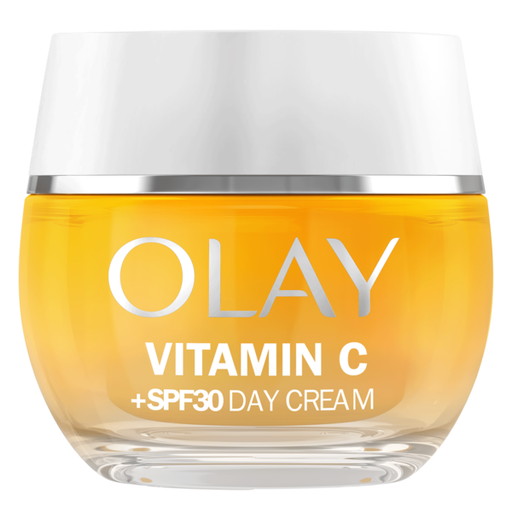
Why it suits this profile: The combination of SPF 30, glycerine, panthenol, a vitamin C derivative and niacinamide makes this an approachable choice for everyday skincare.
According to the product information, the lightweight, non-greasy formula is designed to absorb quickly. However, check the fragrances if you have sensitive skin.
SPF 30, 50 ml, niacinamide and a formula described as suitable for normal skin.
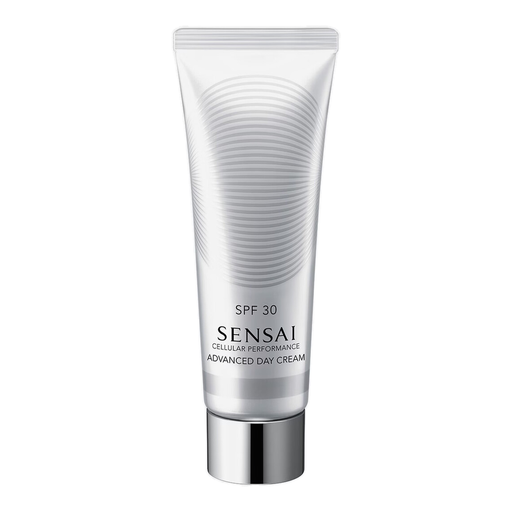
Why it suits this profile: This cream is designed for a well-cared-for daily routine, with a soft cream texture, SPF 30 and an anti-ageing positioning.
The product data states SPF 30, use on the face and suitability for all skin types. Check the fragrance components if you have sensitive skin.
50 ml, SPF 30, glycerine and niacinamide in the ingredients list; the description mentions a fast-absorbing texture.
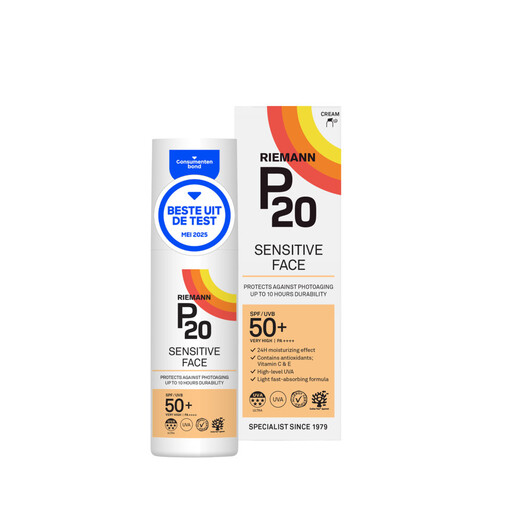
Why it suits this profile: SPF 50+ and directions to apply generously and reapply make this relevant for longer outdoor activities.
The packaging emphasises that applying too little product significantly reduces protection. The instructions also mention reapplying after towelling dry or heavy sweating.
SPF 50+, glycerine, panthenol, trehalose and squalane; the product information states that it is suitable for sensitive skin.
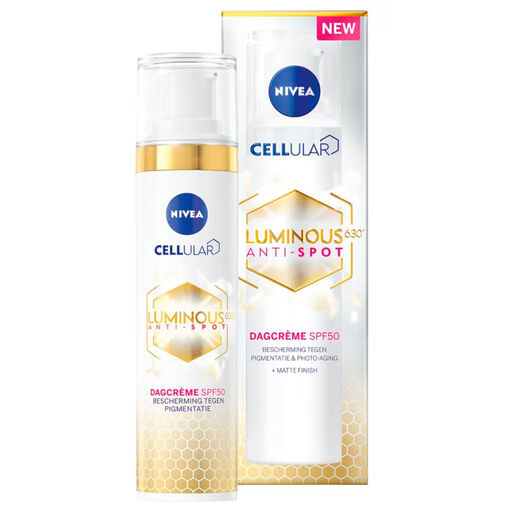
Why it suits this profile: The formula combines SPF 50 with LUMINOUS630, hyaluronic acid and vitamin E and, according to the product information, is designed for all skin types.
The high SPF makes the level of sun protection easier to assess than with an SPF 15 cream. Claims about pigmentation come from the brand’s product information.
SPF 50, 40 ml, a matte finish according to the description and LUMINOUS630 as a specific ingredient.
A day cream with SPF fits well into a morning routine for normal everyday use. Apply the cream to a cleansed face and, if desired, the neck. Use enough product and, when trying a new formula, first see how your skin reacts.
If you are cycling, walking, gardening or going to the beach, it is better to choose a separate facial sunscreen with SPF 30 or SPF 50. This is generally designed to be applied generously and reapplied. An SPF 15 day cream, such as some hydrating day creams for normal or dry skin, offers less leeway during prolonged sun exposure.
We have compiled a complete, up-to-date list of products that fully meet these strict selection criteria and the applicable European safety regulations.
Not always. For short periods of daily exposure, SPF 30 may be sufficient, provided you apply enough. If you spend a long time outdoors, are in strong sunlight or prefer extra protection, SPF 50 is a practical choice. UVA protection and reapplication remain important.
Yes, provided the texture absorbs quickly and does not leave a sticky layer. Apply the cream evenly and give it a little time to settle. If you are outside in strong sunlight, you will need to reapply your protection; make-up makes this more difficult.
Check the expiry date and the period after opening stated on the packaging. Store the cream in a cool, dry place away from direct sunlight and heat. If the scent, colour or texture changes, stop using the product. Also bear in mind that an opened jar will deteriorate more quickly with daily use than an unopened product.
