
Vandaag of morgen in huis

Kwaliteit gegarandeerd

Welkomstaanbiedingen ontgrendelen: GRATIS bezorging | Tot 80% korting | Gratis 30 dagen JoyPlus-proefperiode
Download de app
A day cream with SPF combines two steps in your morning routine: hydration and sun protection for your face. That sounds simple, but product packaging can be confusing. A cream with SPF 15 is not automatically suitable for a long bike ride, while an SPF 50 fluid may feel less comfortable for some users as an everyday moisturising day cream.
As a Joybuy Product Recommendation Officer, I filter the most important product information based on verifiable specifications. This helps you see more quickly which face cream with SPF suits your skin type, when you plan to use it and your ingredient preferences.
SPF mainly refers to protection against UVB radiation. So also check whether the packaging or product description mentions UVA protection. UVA radiation penetrates deeper into the skin and contributes to visible skin ageing. A day cream with SPF is not a licence to stay in the sun indefinitely.
For everyday commuting, SPF 15 or SPF 30 may be practical enough, depending on your level of exposure. For a sunny day outdoors, a holiday or prolonged exposure, a day cream SPF 50 or separate facial sunscreen is usually the more sensible choice.
Terms such as “anti-wrinkle”, “filler” and “collagen” sound convincing, but they do not always tell you how the cream will feel on your skin. According to NIVEA’s own research, certain Q10 products may show visible changes in fine lines within a specific research period. These results are brand claims measured under specific conditions and are not a guarantee for every user.
So also check the ingredients list. Q10, hyaluronic acid, niacinamide, vitamin C, creatine and collagen peptides may offer interesting properties within a skincare formula, but the effect depends on the complete formulation and your skin.
A product described as “for all skin types” may still contain fragrance, alcohol or a richer texture. If you have sensitive skin, check whether the formula is fragrance-free or allergy-tested. For dry skin, ingredients such as glycerine, hyaluronic acid, shea butter or argan oil may be relevant. Combination or oily skin often benefits more from a lightweight, fast-absorbing formula.
After swimming, sweating, drying yourself or prolonged exposure, you should reapply. A day cream with SPF does not always replace a separate sunscreen.
A hydrating day cream can attract water or help retain moisture. Glycerine and hyaluronic acid are examples often found in these types of formula. For a day cream for dry skin, oils, butters and a richer cream base may also feel pleasant. If you dislike a shiny feeling, look for terms such as “light”, “fluid”, “sheer” or “non-greasy”.
The packaging can also tell you something about how easy the product is to use. A 50 ml jar is common, while a 40 ml fluid is often lighter and easier to carry around. If you choose a jar, use it hygienically and keep it tightly closed.
Always check the current ingredients list on the packaging. Product formulas can change. A face cream for sensitive skin is not automatically suitable for everyone prone to irritation. Fragrance-free products, such as Clinique Moisture Surge SPF 25, may be a logical choice when you prefer to avoid fragrances. Stop using the product if irritation occurs and avoid contact with the eyes.
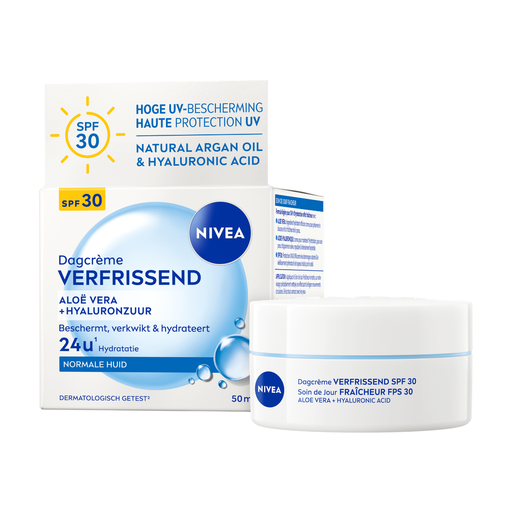
Why it suits this profile: A straightforward choice for anyone looking for one everyday cream with SPF 30 and a lightweight texture. The product description mentions aloe vera and sodium hyaluronate.
The SPF 30 rating and the stated UVA/UVB protection are easier to assess than a vague reference to “protection”.
SPF 30, 50 ml, fast-absorbing formula and an ingredients list containing glycerine and hyaluronic acid.
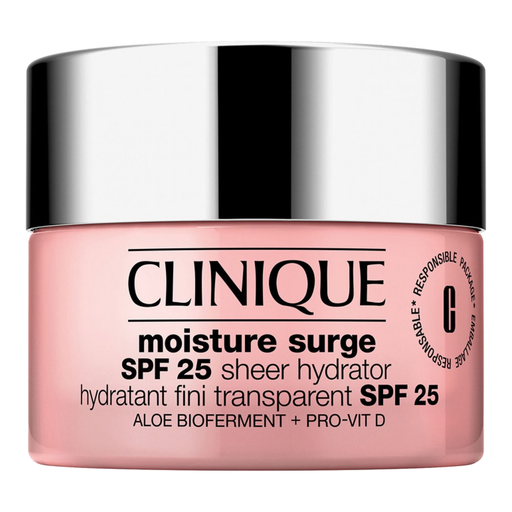
Why it suits this profile: Suitable for anyone looking for a lightweight face cream with SPF that, according to the product information, dries transparently and can be worn under make-up.
The specifications explicitly state that it is a fragrance-free, allergy-tested formula. This makes the composition easier to assess if you want to avoid fragranced products.
SPF 25, 50 ml, fragrance-free according to the product information and suitable for all skin types.
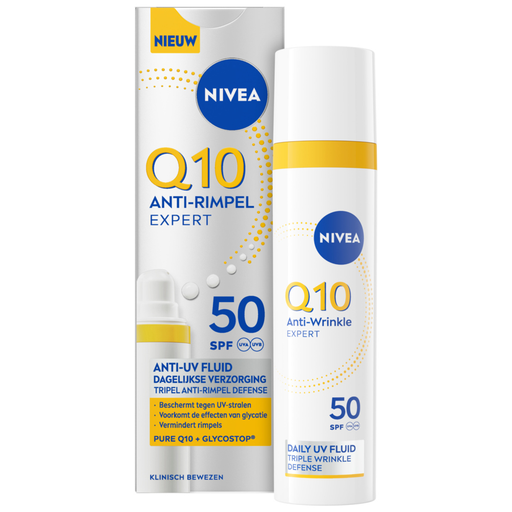
Why it suits this profile: An SPF 50+ fluid for users who spend a lot of time outdoors every day or want to combine a higher protection factor with a lightweight texture.
The protection factor is clearly stated in the product name. The description also advises reapplying after sweating, swimming or drying yourself.
SPF 50+, 40 ml, fluid formula and Q10 as a listed ingredient. According to NIVEA’s own research, the formula also provides 12-hour anti-shine protection.
We have put together a complete, up-to-date list of products that fully meet these strict selection criteria and the applicable European safety regulations.
That depends on how much sun you are exposed to and how long you spend outdoors. For short daily journeys, an SPF 30 day cream may be practical. For intense or prolonged exposure, a separate facial sunscreen is often the wiser choice. Apply generously and reapply after sweating, swimming or drying yourself.
Yes, many day creams are designed for this. Allow the cream to absorb first and check that the texture works well with your make-up. A lightweight fluid or “sheer” formula may be less visible than a richer cream. Clinique, for example, states that Moisture Surge SPF 25 can be worn under make-up.
Check the jar or packaging for the expiry information and the symbol showing the period after opening. Store the cream at room temperature, away from direct sunlight, and keep the packaging tightly closed. If the scent, colour or texture changes, stop using the product.
