
Vandaag of morgen in huis

Kwaliteit gegarandeerd

Welkomstaanbiedingen ontgrendelen: GRATIS bezorging | Tot 80% korting | Gratis 30 dagen JoyPlus-proefperiode
Download de app
A day cream with SPF combines everyday skincare with protection against UV radiation. That sounds straightforward, but products vary considerably in sun protection factor, texture, fragrance, ingredients and intended user. The right choice therefore depends on more than attractive packaging or a claim such as “anti-ageing”.
These three common pitfalls can easily lead to a disappointing purchase:
The SPF mainly provides information about protection against UVB radiation, which can cause redness and sunburn. Also check whether the packaging mentions protection against UVA. UVA radiation contributes to premature skin ageing and pigmentation.
A practical guide:
A day cream with SPF 30 or SPF 50+ should be applied generously to the face and neck. Reapplication is necessary after swimming, sweating or drying yourself. You should also avoid prolonged exposure to strong midday sun.
A day cream for dry skin often contains richer ingredients such as shea butter, argan oil or hyaluronic acid. For oily or combination skin, a lightweight, oil-free or non-comedogenic formula may feel more comfortable.
When choosing a day cream for sensitive skin, look for:
A hydrating day cream does not feel the same on everyone’s skin. A rich cream may be comfortable on dry cheeks but feel too heavy on an oilier T-zone. If you wear make-up, you will usually benefit from a formula that absorbs quickly and does not leave a visible white cast.
Ingredients such as glycerine, hyaluronic acid, ceramides, vitamin E, niacinamide and plant oils are often used for hydration or skincare. Their presence does not automatically mean that every user will experience the same results.
Claims about wrinkles, elasticity or pigmentation come from the brand. For example, NIVEA mentions results from its own tests or self-assessments for certain products. According to NIVEA’s own research, the VITAL Soy day cream can visibly improve elasticity within seven days and make deep wrinkles less visible after two weeks. Treat this as product information, not as a guaranteed outcome for every skin type.
With a cream for pigmentation, UV protection is especially relevant, as sun exposure can make pigmentation more noticeable. Products containing ingredients such as Luminous630, Thiamidol or B-resorcinol have specific brand claims. Always check the current packaging and instructions for use.
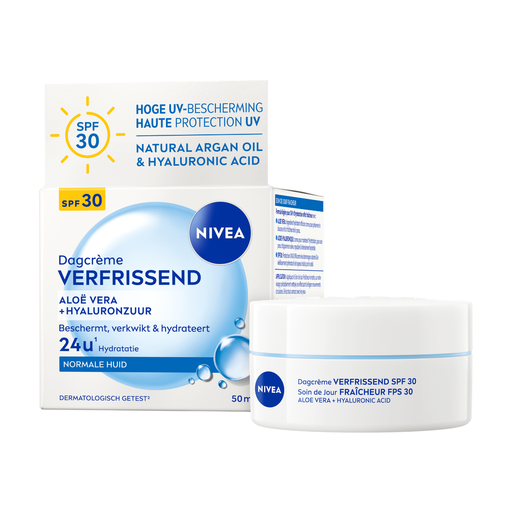
Why it suits this profile: A straightforward choice for normal skin looking for a lightweight, fast-absorbing cream with SPF 30 for the morning routine.
The SPF 30 means you are not relying solely on a general moisturiser. Additional facial sun cream is still needed during prolonged sun exposure.
Lightweight formula, aloe vera and hyaluronic acid according to the product description, plus SPF 30 and 50 ml capacity.
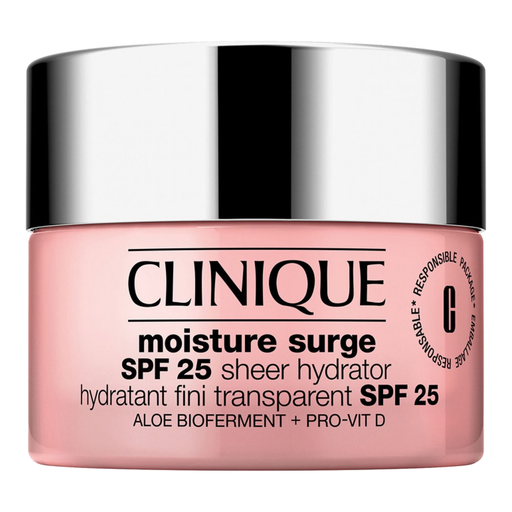
Why it suits this profile: For users who care about fragrance, finish and comfort under make-up. The product information states that it has a fragrance-free, oil-free and non-comedogenic formula.
The sheer finish is designed to minimise a visible white cast. However, SPF 25 is lower than SPF 30 or SPF 50+.
Fragrance-free, suitable for all skin types according to the product specifications, and designed to hydrate the face, neck and décolleté.
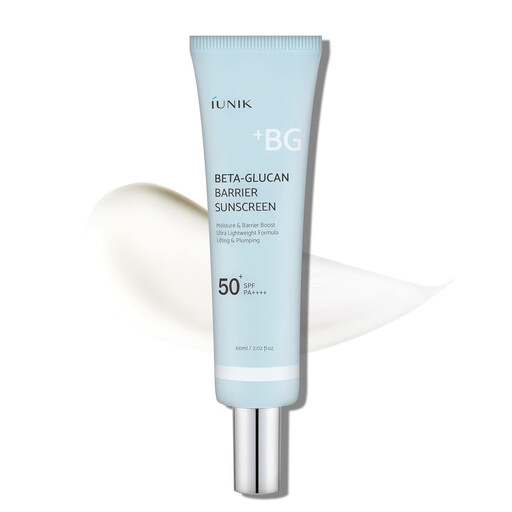
Why it suits this profile: An option for anyone who spends lots of time outdoors every day or is looking for a higher factor for dry, oily or sensitive skin.
SPF 50+ and PA++++ make the level of protection clear. Even with this factor, applying enough product and reapplying are essential.
Beta-glucan is mentioned in the product name; the product description states that it has a matte finish and leaves no white cast.
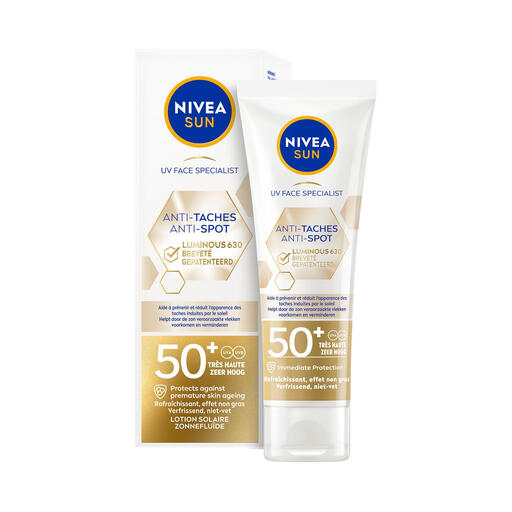
Why it suits this profile: For anyone looking for facial sun protection with SPF 50+ and extra support for a more even-looking complexion.
The SPF 50+ is clearly stated, so the choice does not rely solely on the pigmentation claim. Stop using it if irritation occurs and check the ingredients.
According to the product description, it contains Luminous630, hyaluronic acid and vitamin E; designed to protect against UVA/UVB.
We have put together a complete, up-to-date list of products that fully meet these strict selection criteria and the applicable European safety regulations.
Before buying, check whether the formula contains fragrance. This is particularly relevant if you are looking for a day cream for sensitive skin. Also check the expiry date and the period after opening, usually shown on the packaging with an opened-jar symbol.
Not always. For short periods of everyday exposure, a day cream with SPF can be practical. For days at the beach, exercise, walking or prolonged exposure, a separate facial sunscreen with a suitable factor is a wiser choice. Reapply regularly.
Yes, many formulas are designed for this. Allow the cream to absorb first and preferably choose a lightweight texture. If you have sensitive skin, test a small amount first. A product with a matte or transparent finish may be less noticeable under make-up.
This varies by product. Check the packaging for the expiry information and the symbol showing, for example, 6M or 12M. Store the cream at room temperature, close the packaging properly and keep it out of direct sunlight.
