
Vandaag of morgen in huis

Kwaliteit gegarandeerd

Welkomstaanbiedingen ontgrendelen: GRATIS bezorging | Tot 80% korting | Gratis 30 dagen JoyPlus-proefperiode
Download de app
A day cream with SPF combines two steps in your morning routine: moisturising and protecting against UV radiation. That sounds simple enough, but the options vary widely in texture, protection factor, ingredients and skin type. A cream that works well on dry skin can feel heavy on oily or sensitive skin.
Pay particular attention to these common pitfalls:
SPF tells you about protection against UVB radiation. Also check whether the packaging mentions UVA protection. A day cream with SPF 15 is mainly intended as a daily base for things like commuting and short periods outdoors. For trips to the pub garden, walks, cycling or beach days, a product with a higher SPF and sufficient quantity is important.
A face cream with SPF 15 doesn't automatically replace a separate sunscreen. Apply the cream evenly to your face and neck and follow the instructions. With prolonged exposure, you need to reapply; sweating, swimming and towel-drying all reduce protection.
The ingredients list is in descending order of concentration, although you can't always work out the exact percentages from it. Also pay attention to the shelf-life information, the batch number and the instructions on the packaging. Product formulas can change, so the packaging of the product you receive is what counts.
A moisturising face cream with SPF is handy if you want a short routine, but the product also needs to be pleasant enough to use daily in the right amount. A cream that stings, pills under make-up or stays too greasy is often used less consistently in practice.
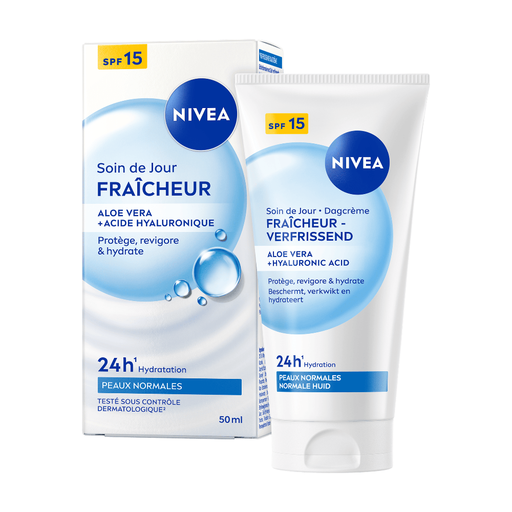
Why this fits the profile: According to the product description, the light formula is intended for normal skin and contains glycerine, aloe vera and sodium hyaluronate.
The product information clearly states SPF 15 and a fast-absorbing texture, so you're not relying on a vague “daily protection” claim alone.
50 ml, SPF 15, aimed at normal skin and ingredients that, according to the product description, contribute to hydration.
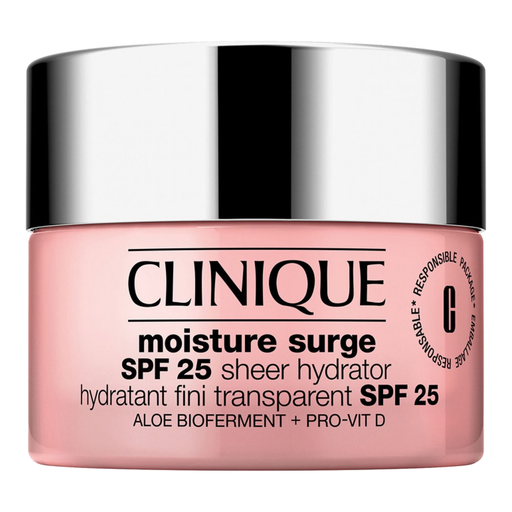
Why this fits the profile: If you value a fragrance-free formula and a light texture, this offers a clearly described combination of hydration and SPF 25.
The product details explicitly mention 100% fragrance-free, SPF 25 and a sheer finish, making comparison easier than relying on premium branding alone.
SPF 25, fragrance-free formula, suitable for all skin types and a light texture according to the product description.
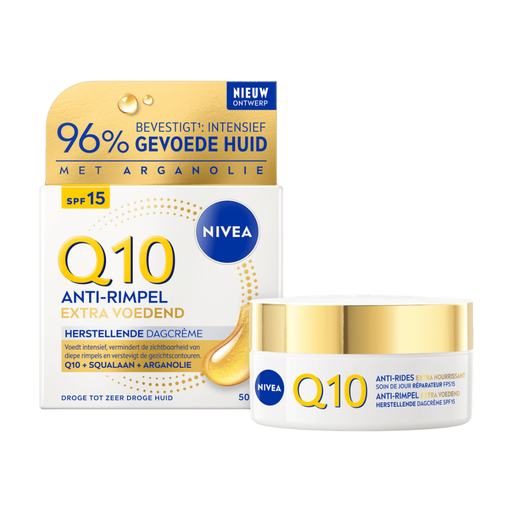
Why this fits the profile: According to the product description, the rich texture has been developed for dry to very dry skin and contains Q10, squalane and organic argan oil.
The target audience and texture are clearly described. This helps you avoid buying a light cream when you're actually looking for a nourishing day cream for dry skin.
50 ml, SPF 15 and a formula with glycerine, shea butter, Q10, squalane and argan oil.
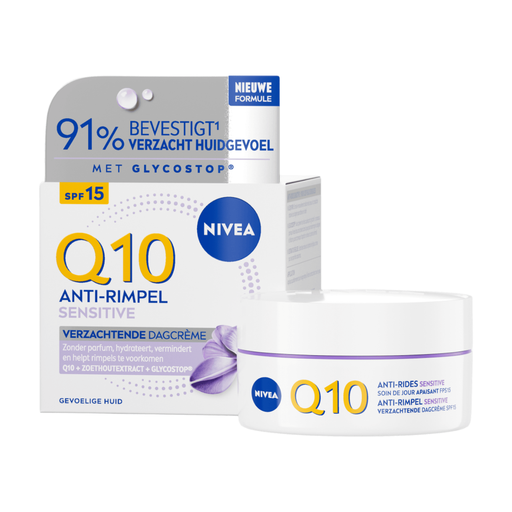
Why this fits the profile: The product information mentions a fragrance-free formula, Q10, creatine and liquorice extract for sensitive skin.
The absence of fragrance is explicitly stated in the product details. Always check the current packaging and, if you have sensitive skin, test a small amount first.
Fragrance-free, SPF 15, Q10 and a product description that lists sensitive skin as the target audience.
We've put together a full, up-to-date list of products that fully meet these strict selection criteria and comply with current European safety regulations.
That depends on how you use it. SPF 15 can be suitable for short daily exposure, but offers less protection than SPF 30. For longer periods outdoors, strong sunlight or skin that burns easily, a separate sunscreen with an appropriate SPF is a safer choice. No sun protection blocks all UV radiation.
Yes. Use the anti-wrinkle day cream as a caring layer and then apply a sunscreen product when more protection is needed. Give the day cream a short time to absorb and follow the instructions on both packs. Be aware that multiple layers can pill under make-up.
Check the open jar symbol, the expiry date and the instructions on the packaging. Don't store the cream for long periods in direct sunlight or high heat. A change in smell, colour or texture is a reason to stop using the product. Use clean hands or a spatula where possible to limit contamination.
