
Vandaag of morgen in huis

Kwaliteit gegarandeerd

Welkomstaanbiedingen ontgrendelen: GRATIS bezorging | Tot 80% korting | Gratis 30 dagen JoyPlus-proefperiode
Download de app
A day cream with SPF may seem easy to choose: select a factor, check the price and place your order. However, there are a few pitfalls that can mean a facial cream with SPF does not suit your skin or daily routine as well as it should. For example, a rich cream can feel comfortable on dry skin but too heavy on oily skin. A high SPF also does not automatically mean that the texture, ingredients and amount are right for your needs.
This guide will help you compare products objectively based on SPF, skin type, texture, fragrance and nourishing ingredients.
SPF mainly indicates protection against UVB radiation. So, also check whether the packaging states that the product protects against UVA. UVA radiation contributes to premature skin ageing and pigmentation. A day cream with SPF 30 or SPF 50 is only effective when you use enough product and apply it evenly.
For prolonged sun exposure, swimming, sweating or drying yourself, a separate facial sunscreen is often more practical. A day cream with SPF is intended as part of your morning routine, not as a reason to stay in the sun indefinitely.
Brands use terms such as “anti-ageing”, “for pigmentation” and “24-hour hydration”. Assess such claims carefully. For example, according to NIVEA’s own research, the brand reports visible changes in elasticity and wrinkles in specific usage tests. The same result will not automatically apply to everyone.
So, start by looking at verifiable features:
A day cream for dry skin often contains more emollient oils or butters. This can feel uncomfortable if you have oily or combination skin. Conversely, a light gel cream may not provide enough comfort for tight-feeling skin.
Your skin can also vary with the seasons. In the Dutch winter, a moisturising day cream can be richer, while in summer you may prefer a lightweight formula.
For daily commuting, SPF 15 or SPF 25 may be suitable for limited exposure, but the right choice depends on your skin type, the season and how much time you spend outdoors. SPF 30 provides higher protection and is therefore a popular middle-ground option for everyday use. SPF 50 is worth considering if you burn easily, spend a lot of time outdoors or pay particular attention to pigmentation.
Always check the label and instructions for use. The protection factor is no substitute for shade, clothing or reapplication.
A fragrance-free day cream can be a sensible choice if you have sensitive skin or prefer to avoid fragrances in facial skincare. Also look out for alcohol, fragrance allergens and active ingredients that you already use in other products.
Glycerine, hyaluronic acid, panthenol and shea butter are among the ingredients used for hydration. Niacinamide and vitamin E are often found in formulas that also promise a more even-looking or firmer complexion. According to the relevant brand’s own research, such ingredients may contribute to the claimed user results; individual tolerance and results may vary.
Oily skin often benefits from a lightweight, fast-absorbing or oil-free formula. Dry skin may benefit more from a nourishing cream containing ingredients such as argan oil, macadamia oil or shea butter. If you wear make-up, look for a non-sticky finish and allow enough time between applying skincare and make-up.
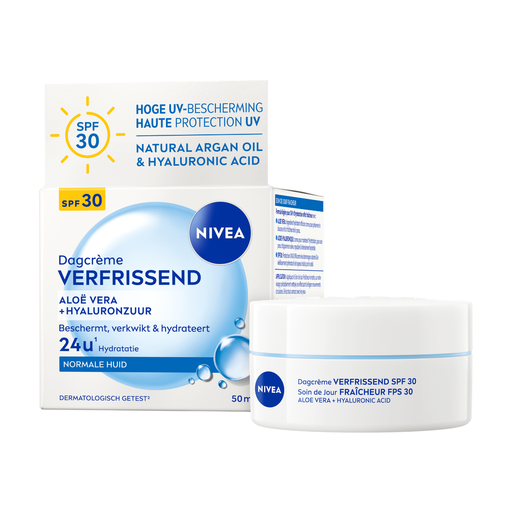
Why it suits this profile: An accessible choice for anyone looking to combine daily hydration and SPF 30 in one routine. According to the product description, the lightweight formula is designed to absorb quickly.
The SPF 30 is clearly stated, so you do not have to rely solely on a general moisturising claim. However, check the UVA indication on the packaging.
SPF 30, aloe vera and sodium hyaluronate in the ingredients list; suitable for a lightweight everyday texture.
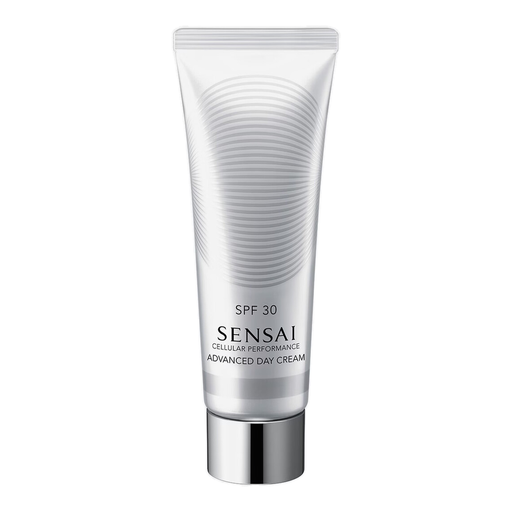
Why it suits this profile: A good match for users who value a refined cream texture, SPF 30 and a formula for all skin types. The product description mentions a fast-absorbing consistency and anti-ageing as product features.
The product details state both the SPF 30 and the consistency and intended use on the face. The ingredients list contains fragrance, which is relevant if you have sensitive skin.
SPF 30, suitable for all skin types according to the product data, with a lightweight cream consistency.
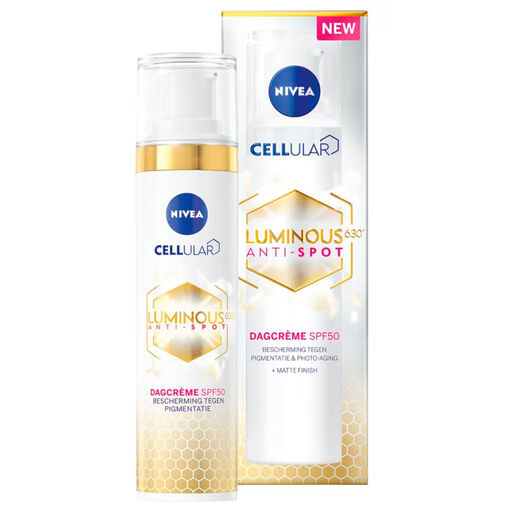
Why it suits this profile: Designed for anyone looking to combine a higher SPF with skincare targeting pigmentation. According to NIVEA’s own research, the brand reports a visible reduction in dark spots after a specified period of use.
The SPF 50 and stated UVA/UVB filters make the protection specifications clearer. The formula contains fragrance and alcohol denat.; check beforehand that these suit your skin.
SPF 50, hyaluronic acid and the LUMINOUS630 ingredient named by the brand; matte finish according to the product description.
We have put together a complete, up-to-date list of products that fully meet these strict selection criteria and the applicable European safety regulations.
Apply the cream to clean skin and spread it over your face and neck. Use enough product according to the instructions on the packaging. Allow the cream to absorb before applying make-up. When spending a long time in the sun, reapplication is important, especially after sweating, swimming or drying yourself.
It is best to patch-test a new day cream for sensitive skin on a small area of skin first. Stop using it if irritation occurs and avoid contact with the eyes. If skin problems persist, seeking advice from a doctor or pharmacist is wiser than combining several active products yourself.
Not always. For short periods of daily exposure, a day cream with SPF can be practical. For trips to the beach, exercise or spending a long time outdoors, a separate facial sunscreen is often more suitable. Apply it generously and reapply as directed on the packaging.
Your choice of SPF mainly depends on exposure and skin type. The texture should reflect your skin’s needs: for dry skin, choose a more nourishing formula; for oily skin, opt for a lightweight or oil-free version; and for sensitive skin, consider a fragrance-free day cream. Always check the full ingredients list.
Usually, yes, but do not combine several powerful active ingredients without checking first. Apply a lightweight serum first, followed by the day cream with SPF. Follow the instructions for both products and watch for signs of irritation.
