
Vandaag of morgen in huis

Kwaliteit gegarandeerd

Welkomstaanbiedingen ontgrendelen: GRATIS bezorging | Tot 80% korting | Gratis 30 dagen JoyPlus-proefperiode
Download de app
Choosing a day cream with SPF may seem simple: look for a hydrating formula, check the protection factor and add the product to your basket. However, there are clear differences between a face cream with SPF 30, an SPF 50 day cream and an ordinary moisturiser with a lower factor.
The most important question is not which packaging looks the most appealing, but which combination suits your skin type, daily routine and exposure to sunlight. Below, you’ll find what to look out for and which popular choices match different situations.
SPF relates to protection against UVB radiation. Also check whether the packaging states that the product protects against UVA radiation. No sun protection blocks all radiation. Apply the product generously and reapply after prolonged exposure, sweating or towel-drying yourself.
A day cream with SPF is particularly practical for everyday use, such as commuting or going for a walk. For a day at the beach, on a terrace or out cycling, a separate facial sun protection product may be more suitable.
Terms such as ‘anti-ageing’, ‘firming’ and ‘reduces dark spots’ usually describe the purpose of a formula, not a guaranteed result. According to the brand’s own research, certain products may show visible changes in areas such as elasticity or wrinkles. Such results depend on the testing method, duration of use and user group.
So first look at verifiable information: SPF factor, ingredients, skin type, texture, fragrance and usage instructions. If you have existing pigmentation or persistent skin irritation, cosmetics are not a substitute for personalised advice from a doctor or dermatologist.
A rich day cream for dry skin may feel pleasant, but could feel heavy on oily or combination skin. A lightweight gel cream or fluid generally absorbs more quickly and is often more comfortable under make-up. If you have sensitive skin, it’s sensible to check the ingredients list for fragrance and any known substances that have caused irritation in the past.
Always check the product packaging for the current protection rating. A higher factor does not mean you can stay in the sun for longer without limits.
For a day cream for dry skin, glycerine, hyaluronic acid, shea butter and plant oils are common ingredients. They help provide a comfortable feel and support the skin’s moisture retention. A hydrating face cream may also be suitable for normal skin, provided the texture does not feel too greasy.
For a day cream for sensitive skin, fragrance-free and pH-neutral formulas are worth considering. Also check the warnings and stop using the product if redness, swelling or irritation occurs. For oily or combination skin, look for a lightweight, oil-free or non-comedogenic formula.
Look for a clear reference to protection against both UVA and UVB. Apply a day cream with SPF as the final step in your morning routine, after cleansing and applying a serum if required. Apply it to your neck as well if this is recommended in the usage instructions.
Pay attention to additional instructions when taking part in outdoor activities. For example, the Anua Heartleaf Silky Moisture Suncream states that the product is not water-resistant and must be reapplied after swimming, sweating or towel-drying yourself. View Anua Heartleaf Silky Moisture Suncream 50ml for the full product information.
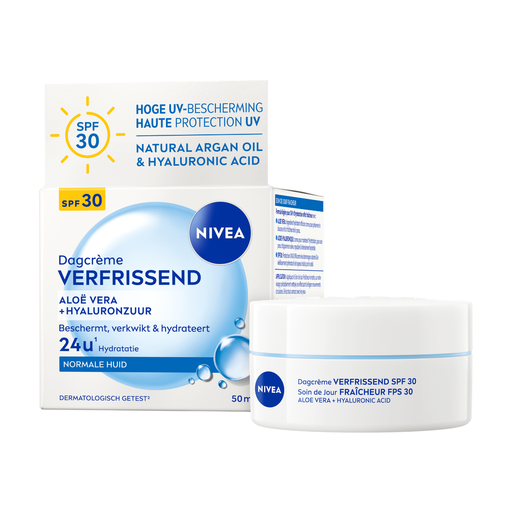
Why it suits this profile: According to the product description, this lightweight formula combines daily hydration with SPF 30 and is designed for a simple morning routine.
The SPF 30 is clearly stated, so you do not have to rely solely on vague terms such as ‘daily protection’. The product description mentions a fast-absorbing texture.
SPF 30, hyaluronic acid and aloe vera according to the ingredients list; 50 ml size and skin tolerance tested dermatologically according to the product information.
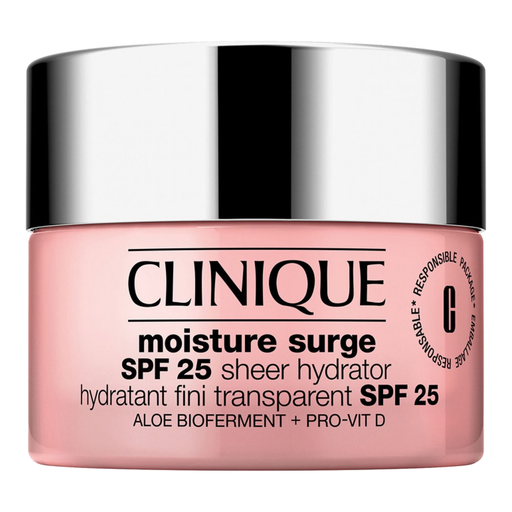
Why it suits this profile: According to the product information, the formula is fragrance-free, oil-free and designed for all skin types. This makes it suitable for anyone looking for a comfortable, fragrance-free product.
The product information explicitly states that it has SPF 25, is fragrance-free and has a transparent finish. This makes it easier to compare the level of protection and skin feel in advance.
SPF 25, 50 ml size, fragrance-free formula and, according to the product information, suitable for use under make-up.
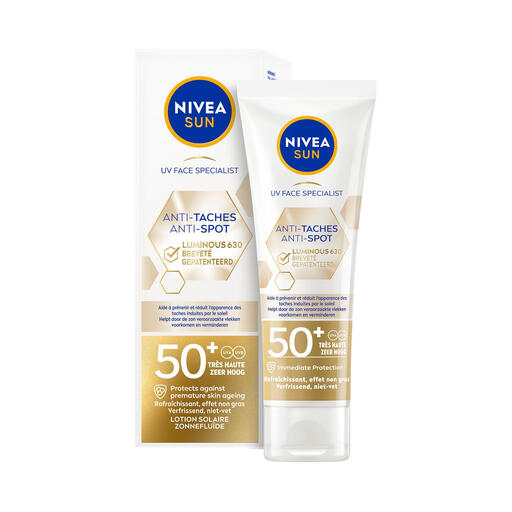
Why it suits this profile: This facial sun protection is intended for more intensive sun protection and for users who specifically focus on pigmentation and an even-looking complexion.
The SPF 50+ rating is clearly stated. Claims about Luminous630 and pigmentation come from the brand’s product description and should not be interpreted as guaranteed results.
SPF 50+, protection against UVA and UVB according to the product information, and a lightweight formula that, according to the brand, does not feel greasy.
Another option for an anti-ageing day cream is NIVEA VITAL Soy Anti-Aging Protective Day Cream SPF 30. According to the product description, it has been developed for mature skin and contains ingredients including soya extract, macadamia oil and ceramide. The stated results relating to elasticity and wrinkles are claims from NIVEA’s own research; check the packaging and instructions for use for the latest information.
We’ve put together a complete, up-to-date list of products that fully meet these strict selection criteria and the applicable European safety regulations.
For short periods of daily exposure, a day cream with SPF can be practical. If you are outdoors for a long time, swimming, exercising or sweating heavily, a separate facial sun protection product is often more suitable. Reapply according to the instructions on the packaging.
Follow the best-before date and the period-after-opening symbol on the packaging. Store the cream in a cool place away from direct sunlight. If the scent, colour or texture changes, stop using the product.
This depends on the texture. Lightweight, fast-absorbing formulas are generally more practical under make-up. Allow the cream to absorb first and use enough product; applying too thin a layer reduces the actual level of protection.
