
Vandaag of morgen in huis

Kwaliteit gegarandeerd

Welkomstaanbiedingen ontgrendelen: GRATIS bezorging | Tot 80% korting | Gratis 30 dagen JoyPlus-proefperiode
Download de app
A day cream SPF 30 seems straightforward at first glance. Yet it’s easy to end up paying for pretty packaging, a long ingredients list, or a promise about wrinkles and dark spots that doesn’t really match your skin. The real differences usually come down to three things: the actual sun protection, the texture, and the ingredients your skin can tolerate day in, day out.
This buying guide helps you compare a face cream SPF 30 based on verifiable product information. That way, you can choose more confidently between a hydrating day cream, an anti-ageing day cream, or a formula for sensitive or dry skin.
SPF 30 indicates protection against UVB rays. Also check whether the packaging states protection against UVA. A face cream with sun protection won’t always replace a separate sunscreen for prolonged exposure, swimming or perspiring.
Use enough product and reapply when you’re outdoors for longer. According to product information from various brands, you should apply the cream generously before exposure and repeat regularly. No SPF product offers complete protection from the sun’s rays.
Terms like “cell renewal”, “lifting” and “visibly younger” sound appealing, but mean little without context. Look at the ingredients and the substantiation behind the claim. According to NIVEA’s own research, some products mention results after one or two weeks; such results come from brand information and aren’t a guarantee for every user.
An anti-wrinkle cream can hydrate the skin and therefore make it look temporarily smoother. Don’t expect a day cream to remove existing wrinkles completely.
A rich cream can be pleasant for dry skin but feel heavy on normal or oilier skin. Conversely, a light formula may not be comfortable enough for dry skin. Also check for fragrance and alcohol denat. in the ingredients list. If you have sensitive skin, it’s wise to patch test a small amount first. Stop if irritation occurs and avoid contact with the eyes.
Choose a product that clearly states SPF 30 and check that UVA protection is also indicated. The reference products in this selection contain various UV filters, such as Butyl Methoxydibenzoylmethane, Ethylhexyl Triazone and Bis-Ethylhexyloxyphenol Methoxyphenyl Triazine. The precise performance and protection depend on the complete formula and following the usage directions on the packaging.
For a day cream for dry skin, hydrating agents and a nourishing base are often a good fit. For normal skin, a light, fast-absorbing formula can be more practical. If you’re looking for a day cream for sensitive skin, don’t just go by “mild” or “dermatologically tested”, but also check for fragrance and known fragrance allergens.
Hyaluronic acid, glycerine and sodium hyaluronate appear in several products, for example. These ingredients are commonly used in a hyaluronic acid day cream for their hydrating role in the formula. That doesn’t automatically mean every skin will have the same experience.
For a day cream for dark spots, you’ll see ingredients like niacinamide, vitamin C, Thiamidol or Luminous630 in certain formulas. According to the relevant brand’s own research, such ingredients can help promote a more even-looking complexion, but results vary per person. Always read the full ingredients list and use adequate sun protection during the day.
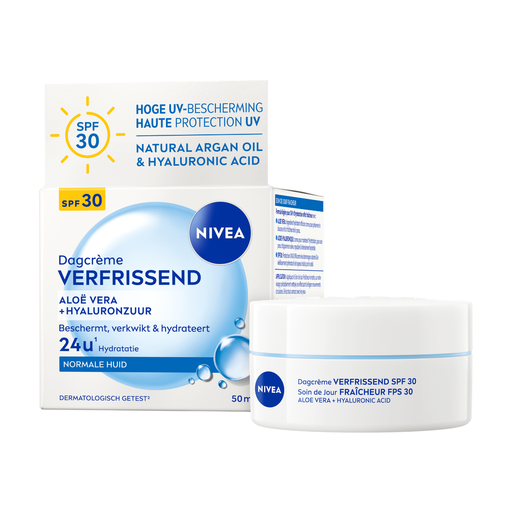
Why this suits the profile: The lightweight formula is designed for daily hydration of normal skin and contains aloe vera, glycerine and sodium hyaluronate.
The product description lists specifics: SPF 30, a fast-absorbing formula and daily application to face and neck.
50 ml; SPF 30; glycerine, aloe vera and sodium hyaluronate on the ingredients list.
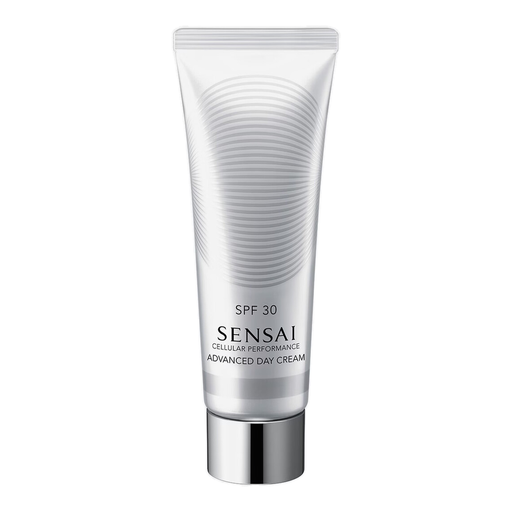
Why this suits the profile: Ideal if you value a luxurious texture, fragrance and an anti-ageing positioning for all skin types.
The product details state SPF 30, the consistency and the skin type. Do check whether fragrance suits your skin tolerance.
SPF 30; suitable for all skin types according to the product data; contains niacinamide and glycerine, among other ingredients.
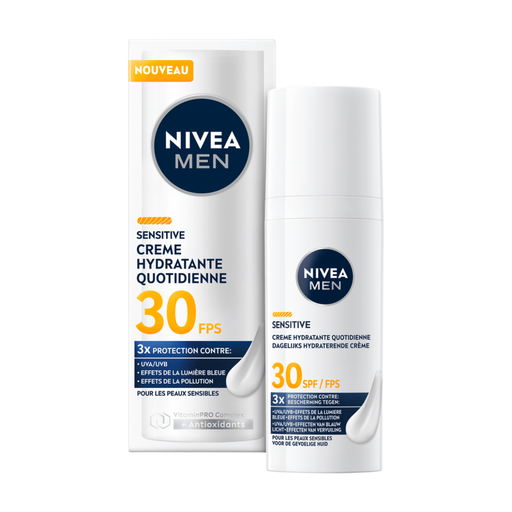
Why this suits the profile: The light, fast-absorbing formula targets sensitive men’s skin and suits daily use, including when you spend a lot of time outdoors.
The product description explicitly mentions the light texture, SPF 30 and a formula for sensitive skin. Fragrance also appears on the ingredients list.
50 ml; SPF 30; glycerine and panthenol; fast-absorbing and non-greasy according to the product description.
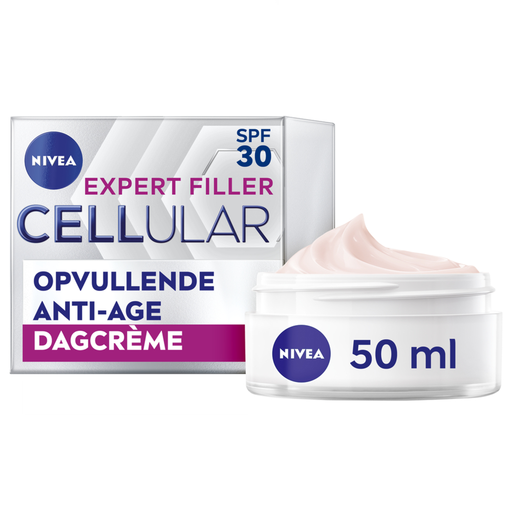
Why this suits the profile: This anti-ageing day cream combines SPF 30 with hyaluronic acid and folic acid for those who want hydration, firmness and daily protection in one.
The product information lists the active ingredients and SPF separately. Claims about a plumper or firmer-looking skin come from the brand description, not from a universal guarantee.
SPF 30; sodium hyaluronate; folic acid; intended for face, neck and décolleté.
We’ve compiled a complete, up-to-date list of products that fully meet these strict selection criteria and the applicable European safety regulations.
Apply the cream in the morning to clean skin and smooth it over face and neck. Follow the instructions provided by your chosen brand. For prolonged sun exposure, swimming, sweating or drying off with a towel, reapplication is necessary.
Store the jar or bottle at room temperature and out of direct sunlight. Check the shelf-life information and the period-after-opening symbol on the packaging. If the scent, colour or texture changes, do not use the product any longer.
For everyday use, SPF 30 can be a practical base, but protection depends on the amount, even application and reapplication. In strong sun, at the seaside or during outdoor sports, a separate sunscreen offering suitable protection is the wiser choice.
Yes. You can use a moisturising day cream without SPF first, then apply sunscreen. If you choose a day cream with SPF 30, check that the texture feels comfortable enough and apply a generous amount. Make-up or just a small amount of cream won’t provide full protection.
Look for a lightweight formula and check for fragrance, alcohol and fragrance allergens in the ingredients list. “Dermatologically tested” is brand-provided product information and not a guarantee that everyone will tolerate the cream. Patch test carefully and stop if you experience redness, itching or a burning sensation.
