
Vandaag of morgen in huis

Kwaliteit gegarandeerd

Welkomstaanbiedingen ontgrendelen: GRATIS bezorging | Tot 80% korting | Gratis 30 dagen JoyPlus-proefperiode
Download de app
A day cream SPF 30 combines facial skincare with sun protection. That sounds simple enough, but the differences between products lie in texture, filters, ingredients, skin type and usage advice. An expensive pot isn’t automatically right for your skin, and a promise about wrinkles or pigmentation doesn’t guarantee a particular result.
SPF mainly tells you about protection against UVB, while protection against UVA is equally important for daily facial sun protection. So check whether the packaging explicitly states UVA and UVB protection. What’s more, a day cream with SPF 30 doesn’t always replace a separate sunscreen for prolonged exposure, exercise or a trip to the beach.
Apply enough product to your face and neck. Using too little reduces the actual level of protection. If you’re sweating, swimming or towel-drying, you need to reapply according to the label.
Brands sometimes mention results after one, two or four weeks. Don’t present these as a guaranteed outcome for every user. According to the brand’s own research or the product description, certain formulas can make skin appear smoother, more even or firmer. That doesn’t mean a day cream for wrinkles will remove wrinkles completely.
With a day cream for pigmentation, it’s wise to look at the ingredients and sun protection, but also to keep your expectations realistic. Pigmentation can have various causes. If you have persistent or changing marks, it’s better to seek advice from a doctor or skincare professional than to keep buying a new cosmetic product.
A rich cream can feel lovely on dry skin, but heavy on oily or combination skin. A light, fast-absorbing formula may not be comfortable enough for dry skin. Fragrance and perfumes are also points to watch for sensitive skin. Always check the current ingredients list on the packaging.
Choose a product with clearly stated SPF 30 and, ideally, explicit UVA protection. The product information for several of the formulas mentioned includes chemical UV filters such as Butyl Methoxydibenzoylmethane and Ethylhexyl Triazone. The presence of filters tells you something about the formula, but not automatically about the protection if you apply it too thinly.
Use the cream as the last step in your morning routine, after cleansing and, if you wish, a serum. Let the product sink in properly before applying make-up.
For a hydrating day cream, relevant ingredients include glycerine, panthenol, sodium hyaluronate and hyaluronic acid. A hyaluronic acid day cream can help hold water at the skin’s surface, while oils, shea butter or silicones can provide more comfort and a smooth feel.
Also pay attention to the texture:
Vitamin C, niacinamide, Q10, peptides, bakuchiol and hyaluronic acid often appear in anti-ageing formulas. According to a brand’s own research, these ingredients can contribute to a more even complexion, a hydrated feeling or a smoother appearance. Always check whether the claim comes from a brand study, a user test or just promotional copy.
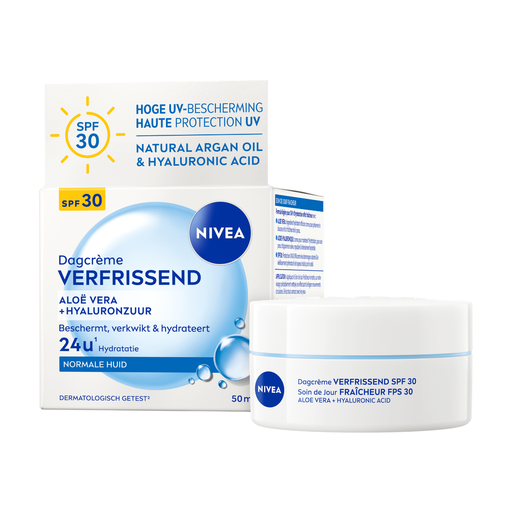
Why this fits the profile: A straightforward choice for anyone who wants to combine daily hydration with SPF 30 without a complicated routine. The product description mentions a light, fast-absorbing formula with aloe vera and hyaluronic acid.
The functions are clearly defined: hydration, light texture and SPF 30. Don’t expect it to replace a separate sunscreen for prolonged exposure.
50 ml, hyaluronic acid in the ingredients list, SPF 30 and, according to the product description, a light formula.
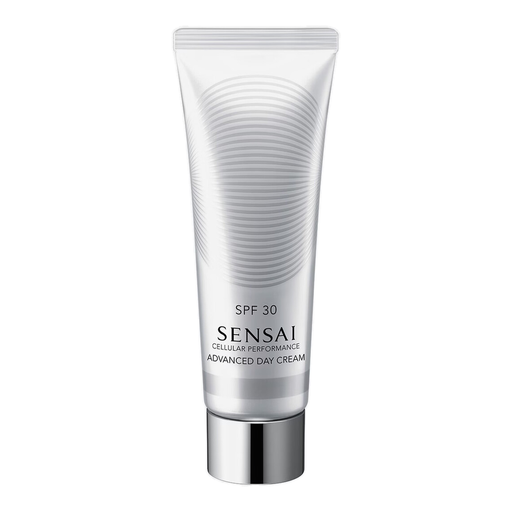
Why this fits the profile: Aimed at those looking for a nourishing cream with a light texture and an anti-ageing positioning. The product information lists SPF 30, suitability for all skin types and use on the face.
The product data doesn’t claim guaranteed removal of wrinkles. The choice remains based on texture, SPF 30 and the stated skin type.
SPF 30, suitable for all skin types according to the product data, and a fast-absorbing cream consistency.
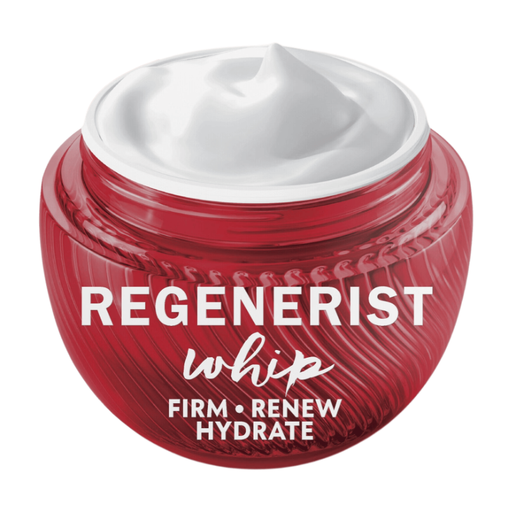
Why this fits the profile: According to the product information, it’s designed for oily to combination skin. The light texture and matte finish suit users who don’t want a heavy or shiny layer.
The skin type choice is more specific than with a general day cream. Do check the ingredients and, if you have sensitive skin, test it on a small area first.
SPF 30, niacinamide and aminopeptides in the stated formula, plus a light texture for oily or combination skin.
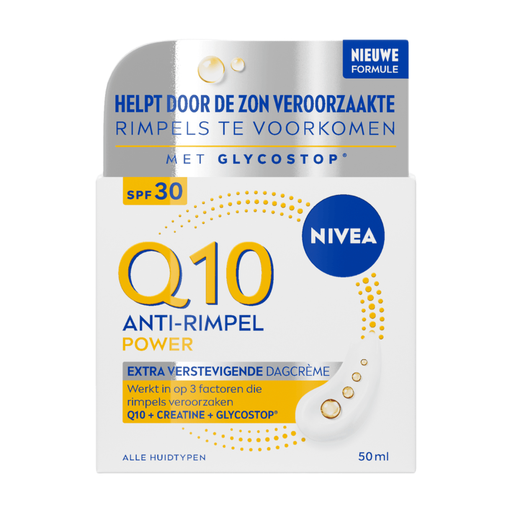
Why this fits the profile: According to the product description, the formula is aimed at mature skin and contains Q10, creatine and SPF 30. That suits anyone who wants hydration, nourishment and visible lines addressed in one morning product.
The product claim about wrinkles comes from a brand study involving 47 women. Treat this as context, not as a personally guaranteed result.
Q10 and creatine in the ingredients list, SPF 30 and, according to the product description, hydration for up to 24 hours.
We’ve put together a full, up-to-date list of products that fully meet these strict selection criteria and comply with current European safety regulations.
For normal daily use, SPF 30 can be a practical foundation, provided you apply enough and the product states UVA and UVB protection. In strong sun, during prolonged time outdoors, swimming or heavy sweating, a separate sunscreen with appropriate usage advice is wiser.
Yes. Cleanse first, then apply a serum and follow with the day cream. Give the cream a moment to settle before applying make-up. Avoid unnecessarily layering multiple products with the same active ingredients if your skin reacts sensitively to them.
Follow the expiry date or the period-after-opening symbol on the packaging. Store the cream in a cool, dry place away from direct sunlight and heat. A change in smell, colour or texture is a reason to stop using the product.
