
Vandaag of morgen in huis

Kwaliteit gegarandeerd

Welkomstaanbiedingen ontgrendelen: GRATIS bezorging | Tot 80% korting | Gratis 30 dagen JoyPlus-proefperiode
Download de app
A day cream with SPF 15 combines facial skincare with a limited level of protection against UV radiation. That sounds straightforward, but products differ in terms of skin type, texture, ingredients and intended use. If you only look for “anti-ageing” or “24-hour hydration” on the packaging, you could end up buying a cream that feels too heavy, is overly fragranced or is not suitable enough for your own skin.
This guide will help you compare a facial cream with SPF 15 without taking marketing claims at face value.
SPF 15 is a product feature, but it is not a substitute for a separate sunscreen during prolonged exposure to the sun. For everyday commuting or short periods outdoors, an SPF 15 day cream can be practical. If you are going for a walk, cycling, heading to the beach or spending longer periods outside, choose a product with a higher SPF and apply enough.
Also check whether the packaging states that the product protects against both UVA and UVB. The product information for some creams mentions both types of radiation, but the level of protection still depends on how much you apply and how often you reapply it.
Terms such as “anti-wrinkle day cream” and “anti-ageing facial cream” often refer to the brand’s positioning. According to NIVEA’s own research, some Q10 products mention results relating to fine lines or firmness. These studies were carried out with specific groups of participants and under particular conditions. They do not automatically predict the same result for every user.
So start by looking at verifiable information: does the cream contain Q10, glycerine, hyaluronic acid, shea butter or argan oil, for example? And does the texture suit your skin? A moisturising day cream can make your skin feel more comfortable, but cosmetic skincare does not affect everyone’s skin in the same way.
A day cream for all skin types can be a convenient general choice, but dry skin often has different needs from oily or sensitive skin. Pay attention to the ingredients list and the product description:
SPF 15 is mainly a basic level of protection for everyday use. Apply the cream to a cleansed face and, if desired, your neck. The product information for several selected creams recommends applying generously before sun exposure and reapplying when necessary.
A day cream with SPF is not always water-resistant. Check the packaging if you are going to exercise, swim or perspire heavily. For intensive outdoor activities, a separate sun protection product is usually more practical.
A nourishing facial cream containing shea butter, oils or squalane can feel pleasant on dry skin, but may feel heavy on oily skin. A lightweight cream with glycerine, hyaluronic acid or aloe vera may be a better fit if your skin becomes shiny quickly.
Also look out for fragrance and denatured alcohol. Sensitive skin does not react in the same way for everyone, but a fragrance-free formula can reduce a common source of irritation. If in doubt, test a new product on a small area of skin first and stop using it if you experience redness, itching or a burning sensation.
Ingredients tell you more than eye-catching text on the front of the packaging. Q10, creatine, vitamin E, panthenol, liquorice root extract and hyaluronic acid feature in various products in the range. Their presence does not automatically make a cream suitable for every skin type.
Claims about performance should be attributed to the brand: for example, write “according to NIVEA’s product description” rather than presenting an effect as a guaranteed result. This keeps the distinction clear between a product specification and a marketing claim.
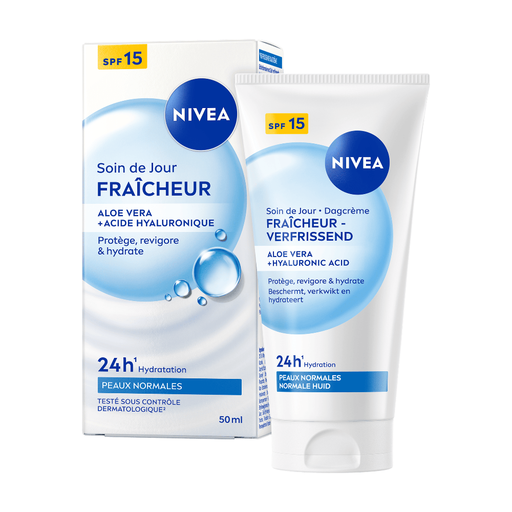
Why it suits this profile: The formula is designed for normal skin and combines a lightweight, fast-absorbing texture with vitamin E, magnolia and lotus extracts.
The product information focuses on everyday hydration and SPF 15, without making an extensive anti-wrinkle promise the main focus.
50 ml, SPF 15, glycerine and sodium hyaluronate; suitable for normal skin.
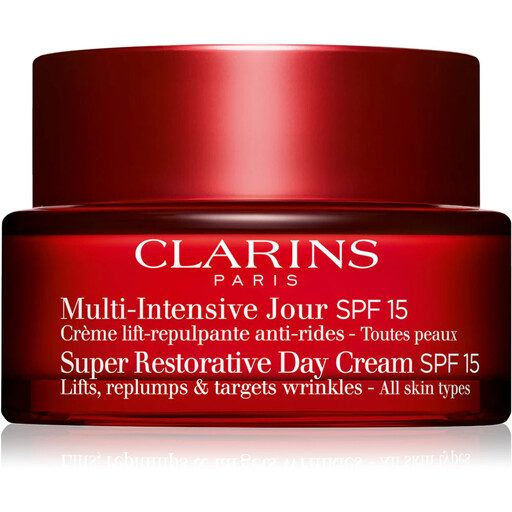
Why it suits this profile: According to the product details, this cream is suitable for all skin types and combines SPF 15 with richer care for mature skin.
The specifications clearly mention SPF 15 and a cream texture. This makes it easier to set expectations around everyday skincare rather than intensive sun protection.
50 ml, SPF 15 and product details for all skin types; richer cream consistency.
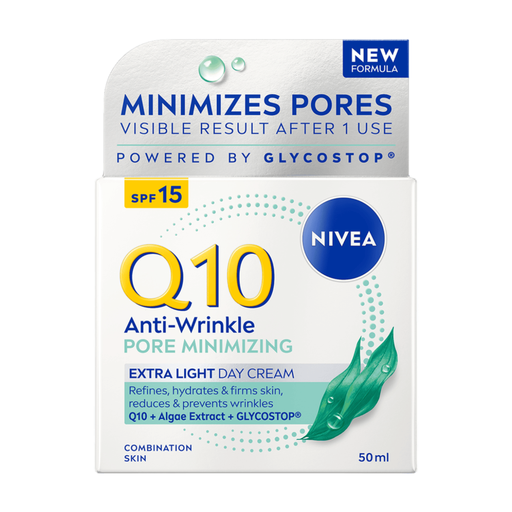
Why it suits this profile: According to the product description, this variant was developed for combination to oily skin and focuses on a more refined skin feel.
The skin-type description helps prevent you from automatically choosing a rich day cream for dry skin when your skin becomes shiny more quickly.
Q10, creatine, SPF 15 and product positioning for combination to oily skin.
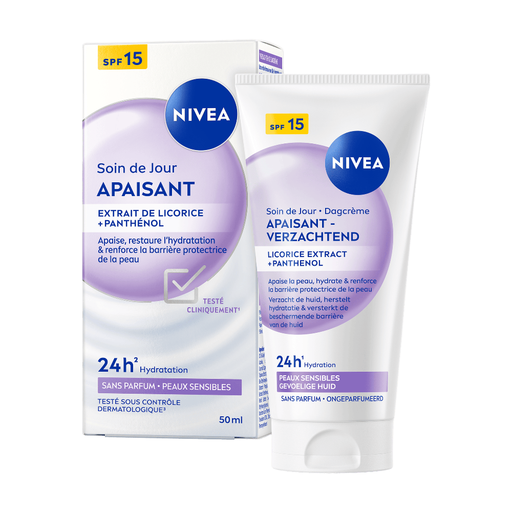
Why it suits this profile: The formula is fragrance-free, pH-neutral and, according to the product information, intended for sensitive, dry and combination skin.
The packaging states that it is fragrance-free and clearly identifies the intended skin type. This is more precise than a general claim that it is suitable for everyone.
SPF 15, glycerine, panthenol, shea butter and a fragrance-free 50 ml formula.
We have compiled a complete, up-to-date list of products that fully meet these strict selection criteria and the applicable European safety regulations.
For short periods outdoors as part of your daily routine, SPF 15 can be a practical addition. During prolonged exposure, in bright sunlight, while exercising or swimming, a separate sunscreen with a higher SPF is the wiser choice. Apply it generously and reapply according to the instructions on the packaging.
The best-before date and any period-after-opening symbol are shown on the packaging. Store the cream at room temperature, away from direct sunlight and sources of heat. Has the smell, colour or texture changed? It is best not to use the product any more.
You can, but first check the fragrance, alcohol and any other ingredients you have reacted to in the past. A fragrance-free option, such as a sensitive-skin variant, may be a more sensible starting point. Always test a new day cream for sensitive skin carefully and stop using it if irritation occurs.
