
Vandaag of morgen in huis

Kwaliteit gegarandeerd

Welkomstaanbiedingen ontgrendelen: GRATIS bezorging | Tot 80% korting | Gratis 30 dagen JoyPlus-proefperiode
Download de app
A day cream SPF 15 combines facial skincare with a basic level of protection against UV radiation. That sounds simple enough, but the options vary widely in texture, ingredients and target audience. A rich cream can be comfortable for dry skin, yet feel too heavy on oily or combination skin. A light formula, on the other hand, may not provide enough comfort when your skin feels tight.
Marketing claims also deserve your attention. Terms like “filler”, “anti-aging” and “antioxidant” on their own tell you little about whether a product is right for your skin. Instead, look for verifiable information such as SPF, skin type, fragrance, texture, volume and the ingredients list.
SPF 15 is a relatively low protection factor intended for daily use. The actual level of protection also depends on how much cream you apply, how evenly you spread it, and whether you reapply. For prolonged sun exposure, a day at the beach or intensive outdoor work, a separate sunscreen with a suitable higher factor is usually more appropriate.
A day cream with SPF 15 is best used as part of your daily routine, for example during your commute or short spells outdoors.
An anti-wrinkle day cream may contain ingredients such as Q10, creatine, hyaluronic acid or antioxidants. Brands sometimes link these to results from consumer studies, in-vitro tests or their own product research. According to NIVEA’s own studies, various Q10 formulas are said to show changes in the visibility of fine lines or skin firmness. Such findings are product- and study-specific and do not guarantee results for every user.
Therefore, treat “anti-aging cream” as an indication of the product’s positioning, not as a certainty about the outcome.
A hyaluronic acid cream may feel hydrating, but the rest of the formula also determines how comfortable it is to use. Glycerin, shea butter, argan oil, squalane and silicones, for example, influence the richness and feel on the skin. Fragrance and denatured alcohol can be less pleasant for some people, especially if your skin reacts quickly.
Always check the current ingredients list on the packaging. Formulas can change.
Choose a day cream for dry skin if you mainly experience a tight feeling or flakiness. Ingredients such as shea butter, argan oil, glycerin and squalane often suit a richer moisturiser.
For normal or combination skin, a light, fast-absorbing hydrating face cream may feel more comfortable. If you have shiny skin or visible pores, look for a formula specifically designed for combination to oily skin.
For sensitive skin, fragrance-free, a short ingredients list and a dermatologically tested formula are useful selection criteria. “Dermatologically tested” describes a product evaluation carried out by the manufacturer; it is not a guarantee that every skin type will tolerate the product without issue.
Check that SPF 15 is clearly stated on the packaging and product page. A face cream with sun protection may contain UV filters such as Butyl Methoxydibenzoylmethane, Ethylhexyl Salicylate or Phenylbenzimidazole Sulfonic Acid. The presence of a filter does not on its own tell you how to use the product.
Apply the cream to a cleansed face and neck. Avoid contact with the eyes. If irritation or a rash occurs, stop using it. For strong or prolonged sun exposure, use a dedicated sunscreen and follow the instructions on the label.
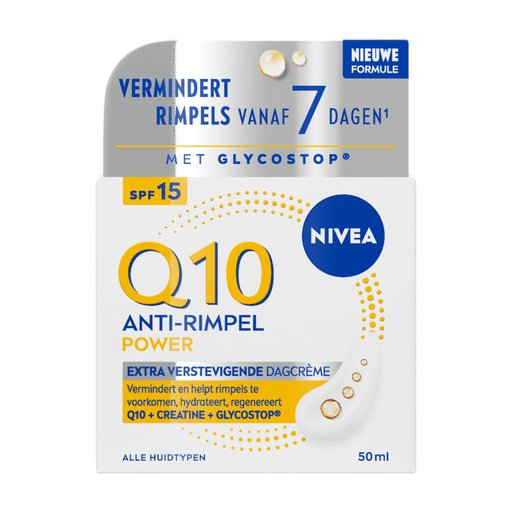
Why this fits the profile: A straightforward daily cream for anyone who wants to combine hydration, SPF 15 and Q10 in one routine. The product description states it is suitable for all skin types.
The skin type indication, 50 ml volume and SPF 15 are clearly stated. The anti-wrinkle claims are linked to studies cited by the brand.
Q10, creatine, glycerin and sodium hyaluronate; suitable for daily use on face and neck.
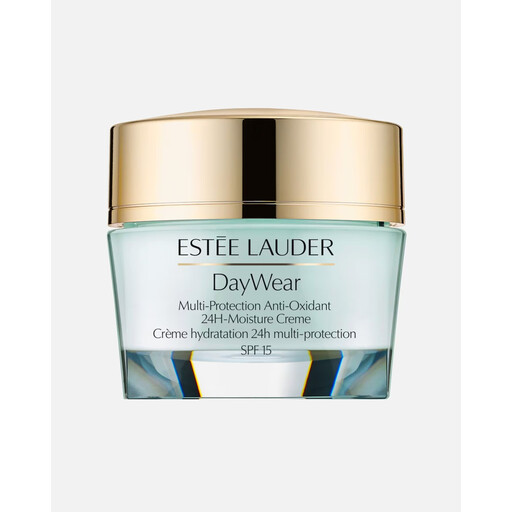
Why this fits the profile: Suits normal to combination skin and users looking for an antioxidant face cream with a light, refreshing feel.
The product data explicitly mentions skin type, SPF 15, non-comedogenic positioning and the lack of water resistance. This makes the usage context clear.
Contains, among others, vitamin C and E derivatives, sodium hyaluronate, glycerin and squalane; 50 ml.
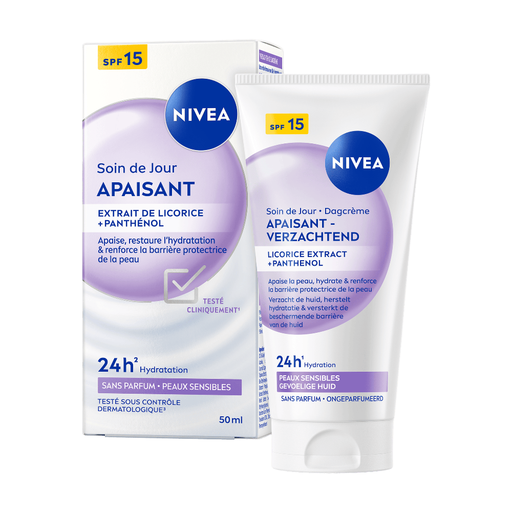
Why this fits the profile: Designed for people looking for a day cream for sensitive skin without fragrance, with a pH-neutral formula and nourishing properties for dry or tight-feeling skin.
According to the product description, the formula is fragrance-free and free from colourants. The claims about soothing are linked to tests mentioned by the brand and are not an individual guarantee.
Fragrance-free, SPF 15, glycerin, panthenol, liquorice extract and shea butter; suitable for sensitive, dry and combination skin.
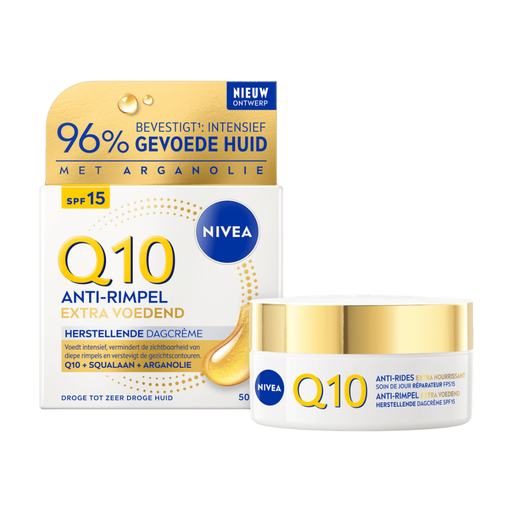
Why this fits the profile: The rich formula is intended for dry to very dry skin and combines daily care with Q10, argan oil and squalane.
The target audience and texture are clearly described. This reduces the chance of choosing a light cream when you actually need intensive nourishment.
Q10, creatine, vitamin E, argan oil and squalane; SPF 15 and 50 ml volume.
We have put together a full, up-to-date list of products that fully meet these strict selection criteria and comply with current European safety regulations.
For short daily exposure, SPF 15 can be a practical foundation. Protection decreases if you use too little product, perspire or spend longer periods outdoors. For intensive sun exposure, a separate sunscreen with a higher factor is more suitable.
Check the expiry information on the packaging. Store the cream at room temperature, away from direct sunlight and heat sources. If the smell, colour or texture changes, stop using it and check the packaging.
Yes. First cleanse your skin, apply a serum if you wish, and then apply the day cream. Allow the cream to absorb briefly before applying make-up. In strong sun, add a suitable sunscreen following the instructions for use.
