
Vandaag of morgen in huis

Kwaliteit gegarandeerd

Welkomstaanbiedingen ontgrendelen: GRATIS bezorging | Tot 80% korting | Gratis 30 dagen JoyPlus-proefperiode
Download de app
Sensitive skin can be a daily challenge. That tight feeling after a shower, unexpected red patches, or skin that constantly reacts to new products. Finding the right facial care can sometimes feel like an impossible quest. The shelves are packed with creams that promise miracles but often cause more irritation than relief.
As a Product Recommendation Officer at Joybuy, I see the struggles consumers face every day. Before you invest in a new day cream, it's important to recognise the common pitfalls specific to sensitive skin.
A good day cream for sensitive skin is more than just a hydrating layer; it's a shield that soothes and protects your skin.
To avoid a bad purchase, there are a few key specifications you should check. These determine whether a cream will actually help your skin or work against it.
Irritated skin has a weakened skin barrier. Look for a soothing face cream that contains ingredients to help restore this barrier and calm the skin.
UV radiation is one of the biggest triggers for a day cream for red skin. Even on cloudy days, the sun can stress sensitive skin and worsen irritation. A day cream with SPF for sensitive skin offers accessible, daily protection.
Not all sensitive skin is the same. The texture of your face cream for sensitive skin should match your specific needs.
Based on these objective criteria, we have selected a number of products that suit different user profiles.
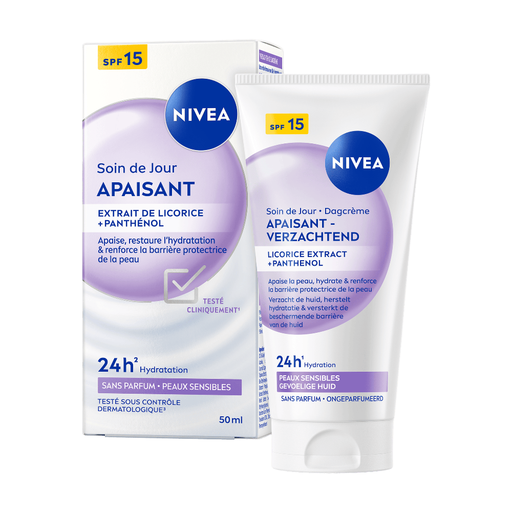
Why This Fits Their Persona: Ideal for those seeking a reliable, no-nonsense day cream that soothes while protecting against the sun. Perfect for daily use without a complicated routine.
This cream is fragrance-free and pH-neutral, minimising the risk of irritation from scents and a disturbed acid mantle.
Contains liquorice root extract and panthenol to help reduce redness and tightness. The addition of SPF 15 provides foundational protection.
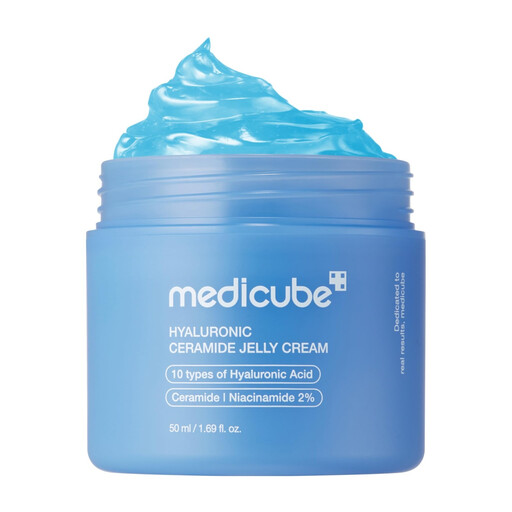
Why This Fits Their Persona: Suitable for those with dehydrated, sensitive skin who want to focus on restoring the skin barrier. The lightweight texture is pleasant for those who dislike heavy creams.
This product focuses not on one, but on a combination of proven ingredients (hyaluronic acid, ceramide, niacinamide, squalane) that work together for hydration and repair.
The unique, clear jelly texture feels fresh and absorbs quickly. The formula with Ceramide NP and hyaluronic acid is specifically aimed at strengthening the skin barrier.
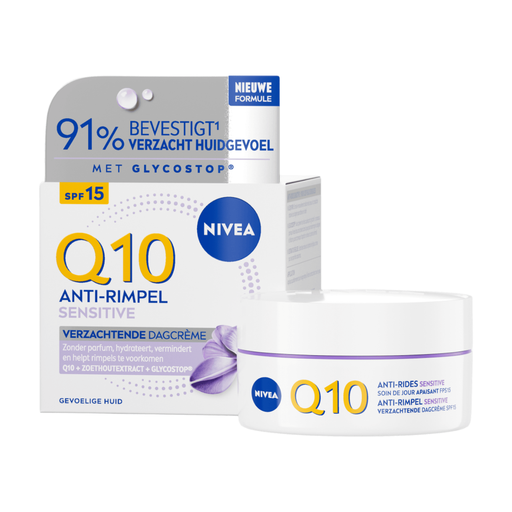
Why This Fits Their Persona: For the user with sensitive skin who doesn't want to choose between soothing care and addressing fine lines. This cream combines both needs in one product.
Anti-ageing products can be harsh. This formula is fragrance-free and contains liquorice root extract, specifically to reduce the three signs of sensitive skin (redness, dryness, tightness).
Combines the skin's own Coenzyme Q10 with creatine to help reduce wrinkles. The addition of SPF 15 also provides protection against premature skin ageing caused by the sun.
Sensitive skin requires careful choices. If the suggestions above aren't exactly what you're looking for, explore our broader range.
Sensitive skin is often a constant condition; your skin reacts quickly and predictably to triggers like weather, stress, or certain ingredients. This is usually genetically determined. Temporarily irritated skin is a reaction to a specific, external factor, such as a product that is too harsh or an allergic reaction. In both cases, a cream for redness and irritation can provide relief, but for sensitive skin, it is a structural necessity.
Yes, that is generally not a problem. The main difference is that a day cream often has a lighter texture and may contain SPF, which you don't need at night. A night cream is typically richer and more focused on repair processes. If your skin tolerates your day cream well, you can certainly use it at night. However, for extra nourishment and repair, a specific night cream can offer added value.
The term 'for sensitive skin' is a broad claim indicating that the manufacturer has considered this skin type. 'Hypoallergenic' suggests that the formula has been created to minimise the risk of allergic reactions. Neither term is legally protected. The most reliable method remains checking the ingredients list (INCI) for known irritants such as fragrance, essential oils, and drying alcohol.
