
Vandaag of morgen in huis

Kwaliteit gegarandeerd

Welkomstaanbiedingen ontgrendelen: GRATIS bezorging | Tot 80% korting | Gratis 30 dagen JoyPlus-proefperiode
Download de app
A day cream for the face with SPF generally combines hydration with protection from UV rays. That sounds simple, but products vary considerably in texture, protection level, tint and ingredients. A cream that works well for dry skin may be less suitable for oily or sensitive skin.
The biggest mistake is to focus only on words such as “anti-ageing”, “glow” or “24-hour hydration” on the packaging. These terms do not always tell you much about the formulation, SPF level or ease of use. Instead, pay particular attention to verifiable product specifications.
A day cream SPF 15 is useful for everyday use with limited sun exposure, such as during your commute. However, SPF 15 does not mean you can stay in the sun indefinitely. For a full day outdoors, a trip to the beach or intense sun exposure, it is wiser to use a separate sunscreen with a suitably higher SPF.
According to the product descriptions, the creams mentioned provide protection from UV rays. Always check the packaging for the latest protection information and apply enough product.
A rich texture can feel comfortable in a day cream for dry skin, but may feel heavy on oily or combination skin. Conversely, a lightweight cream may not feel moisturising enough on dry skin. So look at the stated target audience, such as normal, dry, combination or sensitive skin.
Also check the ingredients list for fragrance and alcohol. A day cream for sensitive skin is often fragrance-free, but always confirm this on the packaging.
Brands may communicate results from their own research or consumer tests. For example, according to NIVEA’s own research, the brand reports visible changes with various Q10 products after a specified period of use. These are brand claims made under specific test conditions, not a guarantee for every user.
An anti-wrinkle day cream or anti-ageing face cream may therefore suit your skincare goals, but do not expect identical results for every skin type. Consider the ingredients, skin type and directions for use.
For many everyday situations, SPF 15 is a practical starting point in a skincare routine. If you will be outdoors for longer, choose a day cream SPF 30 or use a separate sunscreen as well. Products with SPF are not automatically water-resistant; for example, the Estée Lauder DayWear is described as not being water-resistant.
Apply the cream to cleansed skin on your face and neck. When exposed to the sun, applying generously is important. Reapplication may be necessary, particularly after sweating, swimming or drying yourself.
Check the full ingredients list on the packaging. Formulas may change.
A 50 ml jar is common for face creams, while some products, such as the NIVEA MEN Sensitive Face Cream, contain 75 ml. A pump bottle can be practical if you want to limit direct contact with the cream. A tinted cream, such as a BB cream or the pink Eucerin variant, can partly replace make-up, but the tint needs to match your skin tone.
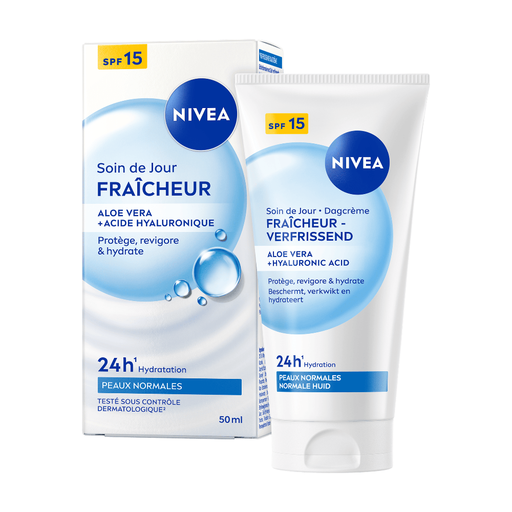
Why it suits this profile: An accessible option for normal skin with a lightweight, fast-absorbing texture and everyday hydration.
The product description explicitly mentions normal skin and SPF 15. This means you do not have to rely solely on general glow or anti-ageing claims.
50 ml, SPF 15, glycerine, aloe vera and Sodium Hyaluronate according to the product information.
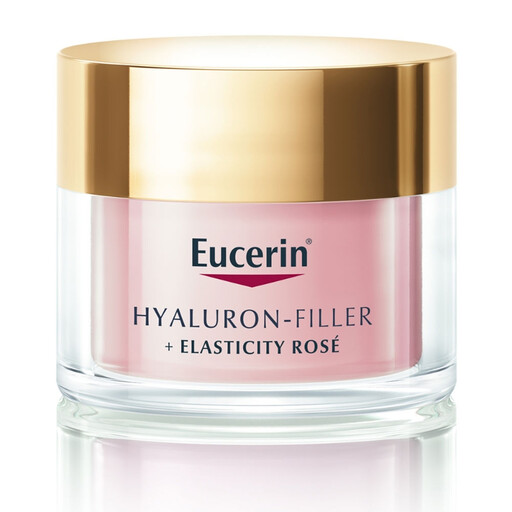
Why it suits this profile: Suitable for those who want to combine SPF 30 and a subtle pink tint with targeted anti-ageing care.
The protection level is clearly stated as SPF 30. The pink tint is also a specific product feature, rather than just a general promise about appearance.
SPF 30, pink tint, 50 ml and a formula intended for all skin types and sensitive skin according to the product description.
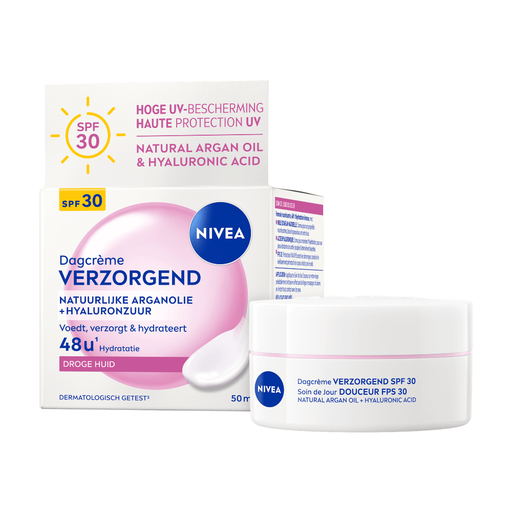
Why it suits this profile: A sensible choice for dry or tight-feeling skin when richer care and SPF 30 are desired.
The formula is specifically intended for dry skin and provides SPF 30. This reduces the chance of choosing a lightweight cream that does not feel sufficiently comfortable.
50 ml, SPF 30, argan oil, shea butter and Sodium Hyaluronate according to the listed ingredients.
We have compiled a complete, up-to-date list of products that fully meet these strict selection criteria and the applicable European safety regulations.
That depends on your exposure to the sun. For short periods outdoors, SPF 15 can be a practical addition. For prolonged or intense exposure, a separate sunscreen with a higher SPF is more suitable. Reapplication remains important.
Follow the expiry information and symbol on the packaging. Store the cream at room temperature, away from direct sunlight and heat. Stop using the product if its smell, colour or texture changes.
Yes. You can apply a moisturising day cream first and then apply sunscreen. If you choose a face cream with sun protection, check that the SPF level suits your everyday situation. Additional sun protection is still needed during prolonged exposure.
