
SSMS user
You design or manage a SQL Server database using SSMS and want to know whether your working setup will run on a laptop. Microsoft Learn lists Windows as the platform for SSMS.


If you use SQL Server Management Studio (SSMS), choose a Windows laptop. For PostgreSQL and pgAdmin, macOS and Linux are also options. Then check that the exact laptop configuration works with your monitor and separate input devices, and weigh screen space against portability. Without knowing which software you use locally or what your workload involves, there’s no universal RAM threshold or one laptop that suits everyone.
You design or manage a SQL Server database using SSMS and want to know whether your working setup will run on a laptop. Microsoft Learn lists Windows as the platform for SSMS.
You work at a sit-stand desk for extended periods and want to pair your laptop with a suitable monitor and separate input devices. Arboportaal highlights the importance of an adjustable workstation.
You move between workspaces and use PostgreSQL or pgAdmin. The PostgreSQL Global Development Group and the pgAdmin Development Team describe platform options for Windows, macOS and Linux; your workstation setup matters too.
Choose this if: you want to use SSMS locally; Microsoft Learn lists Windows as a supported platform.
Bear in mind: the memory and storage you need also depend on your other software and any databases running locally.
Choose this if: you use PostgreSQL and pgAdmin, and your other tools run on macOS.
Bear in mind: SSMS itself doesn’t run on macOS. Also check which ports you need to connect an external monitor.
Choose this if: your development environment is set up on Linux and your database and design tools are available there.
Bear in mind: PostgreSQL and pgAdmin support on Linux doesn’t automatically make Windows tools available; check that your entire software suite is supported.
Start with the software you actually use. Microsoft Learn describes SSMS for Windows, while PostgreSQL and pgAdmin also offer options for macOS and Linux. The percentages below show which buying considerations may matter most when making your choice.
| Consideration | What should you check? | Who might prioritise this? |
|---|---|---|
| Tool compatibility | Check the operating system and the required versions of your database and design tools. | If I need SSMS or other essential tools, I want to know first whether they’ll run locally. Around 33% of consumers say compatibility with database and design tools is their main buying concern. |
| Adjustable workstation | Check the video output and whether you can position your monitor and input devices to suit your needs. | When working at a sit-stand desk for long periods, I want to position my monitor and keyboard properly. Around 27% of consumers prioritise their workstation setup. |
| Memory and storage | Compare the RAM and SSD capacity with the requirements of the programmes you use at the same time and store locally. | If I also run a database server locally, I want to match the laptop to my particular combination of tools. Around 20% of consumers prioritise their local workload. |
| Portability | Weigh the screen size and weight against the screen space available when you’re working without an external monitor. | When I move between workspaces often, it matters how easy the laptop is to carry and use without an external monitor. Portability is the main concern for around 20% of consumers. |
SSMS runs on Windows, while PostgreSQL and pgAdmin are also available on other platforms. That means a laptop could be unsuitable for the specific tool you need, even if its other features are a good match.
Before you buy, make a note of the names and versions of the tools you need, then check which operating system each one supports.
Switching to a different working environment may require extra setup.
The built-in screen and keyboard can’t be positioned independently. Arboportaal also outlines requirements for a separate screen or keyboard for employees who work at a screen for more than two hours a day.
Consider your complete setup and check whether the exact laptop configuration supports the external monitor arrangement you want.
The processor, memory, screen and connectivity can vary between configurations. So a feature listed for a product line may not be included in the configuration you’re looking at.
Compare the full model number and the specific configuration, not just the series name.
The Dell 14 DC14250 range is worth considering if you want to compare configurable Windows or Linux models for database work.
The MacBook Air M5 is a macOS option for anyone using suitable cross-platform database tools and looking for a compact model that can connect to an external monitor.
The EliteBook 8 G1i 14 range offers business Windows configurations to compare for a desk setup.
The ThinkPad T14 Gen 6 (Intel) range is worth comparing for its ports and screen options for a desk setup.
These Joybuy picks are Windows laptops for anyone looking to design databases with SSMS. Compare the screen size and video connections with your desk setup, and check the memory on the exact configuration.
 Image unavailable
Windows 11 Home is suitable for using SSMS on Windows; Microsoft Learn lists Windows 11 as a supported operating system.
14-inch IPS screen with 1920 × 1200 pixels, 8 GB of RAM and a 512 GB SSD. The listed memory can’t be upgraded.
 Image unavailable
Windows 11 Home is suitable for using SSMS on Windows; Microsoft Learn lists Windows 11 as a supported operating system.
16-inch IPS screen with 1920 × 1200 pixels and a 16:10 aspect ratio, AMD Ryzen 5 7520U, 8 GB of RAM and a 512 GB SSD. The memory is built in and can’t be upgraded; the charger isn’t included.
The description lists HDMI and USB-C with DisplayPort Alt Mode for video output.
 Image unavailable
Windows 11 Home is suitable for using SSMS on Windows; Microsoft Learn lists Windows 11 as a supported operating system.
14-inch IPS screen with 1920 × 1200 pixels, AMD Ryzen 5 7520U, 8 GB of RAM and a 512 GB SSD. The memory is built in and can’t be upgraded; the charger isn’t included.
The description lists HDMI and USB-C with DisplayPort Alt Mode for video output.
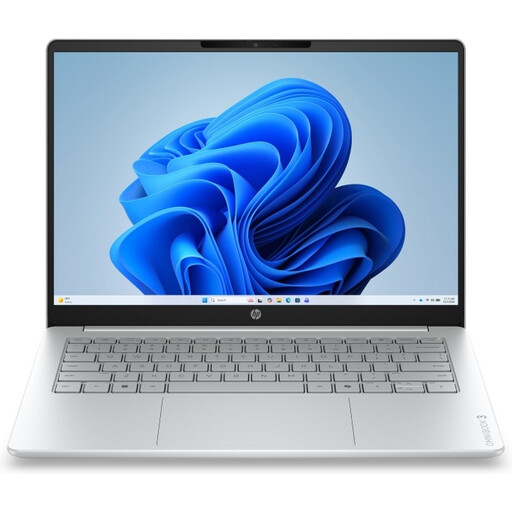 Image unavailable
Windows 11 Home is suitable for using SSMS on Windows; Microsoft Learn lists Windows 11 as a supported operating system.
17.3-inch Full HD IPS screen, AMD Ryzen 5, 8 GB of RAM and a 512 GB SSD. The memory is built in and can’t be upgraded; the charger isn’t included.
The description lists HDMI and USB-C with DisplayPort Alt Mode for video output.
 Image unavailable
Windows 11 Home is suitable for using SSMS on Windows; Microsoft Learn lists Windows 11 as a supported operating system.
16-inch WUXGA screen with a 144 Hz refresh rate, Intel Core 7 240H, 16 GB DDR5 and a 1 TB SSD.
For an external monitor setup, the description lists HDMI 2.1 and USB-C with support for compatible video output.
Windows is the straightforward choice only if your workflow requires SSMS to run locally. PostgreSQL and pgAdmin are also available for macOS and Linux; check that your other essential tools work on the system you choose too.
Position the screen to suit your workspace and check whether you can place the keyboard separately. For employees who work at a screen for more than two hours a day, Arboportaal outlines requirements for a separate screen or keyboard.
It depends on your software and workload. Check whether you’ll be running a database server locally, which programmes you’ll have open at the same time and how much memory they require. Then compare this with the exact laptop configuration.
For online consumer purchases, you generally have a statutory 14-day cooling-off period after delivery, with some exceptions. The seller is also responsible for the statutory guarantee if the product doesn’t meet what you’re entitled to expect. ACM ConsuWijzer explains the cooling-off period, while the Netherlands Authority for Consumers and Markets explains the statutory guarantee.