
Vandaag of morgen in huis

Kwaliteit gegarandeerd

Welkomstaanbiedingen ontgrendelen: GRATIS bezorging | Tot 80% korting | Gratis 30 dagen JoyPlus-proefperiode
Download de app
A sudden braking incident, a scratch on your parked car, or a dispute over right-of-way. Situations on the road can be unpredictable. A reliable car camera acts as an impartial witness, capturing exactly what happens. But with so many options on the market—from 4K dash cams to dual dash cams—the choice can be overwhelming.
As a Joybuy Product Recommendation Officer, my job is to help you make the right choice. In this article, we'll cut through the specs and marketing jargon to focus on what really matters for drivers. We'll review several popular choices that will help you hit the road with greater peace of mind.
Before we dive into specific models, here are a few key considerations to get you started.
A high resolution like 1080p or 4K is a good start, but it doesn't tell the whole story. The quality of the image sensor and lens are just as important, especially for dash cam night vision. A model with a Sony STARVIS sensor, for example, is specifically designed to produce clear footage in low-light conditions. Also, look for features like WDR (Wide Dynamic Range) or HDR (High Dynamic Range). These technologies balance the light and dark areas in a scene, preventing an overexposed sky or a dark shadow from making license plates unreadable.
A standard dash cam records the road ahead of you. This is sufficient for most situations. However, a front and rear dash cam offers complete coverage. This is useful in rear-end collisions, parking incidents, or when dealing with tailgaters. These systems, also known as a dual dash cam, consist of a front camera and a smaller camera for the rear window, both recording simultaneously.
Modern dash cams do more than just record. Three features are particularly practical:
Based on specifications and functionality, we have selected a few models that stand out in the current market.
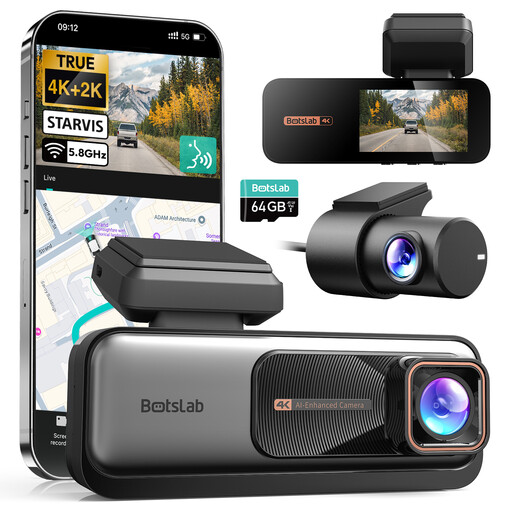
Why it stands out: This model combines ultra-high resolution for both front and rear cameras with smart driver-assistance systems, making it a comprehensive package for the demanding driver.
Pros:
Who is it for? For the driver who wants to make no compromises on image quality and is looking for extra safety features like ADAS and complete coverage around the car.

Why it stands out: The M200 focuses on one thing and does it exceptionally well: performing in the dark. Its advanced sensor makes this a strong contender for those who do a lot of night driving.
Pros:
Who is it for? Ideal for commuters and professional drivers who primarily need a reliable front-facing camera with a focus on excellent low-light performance. Note: This is a single-channel (front-only) dash cam and a microSD card is not included.
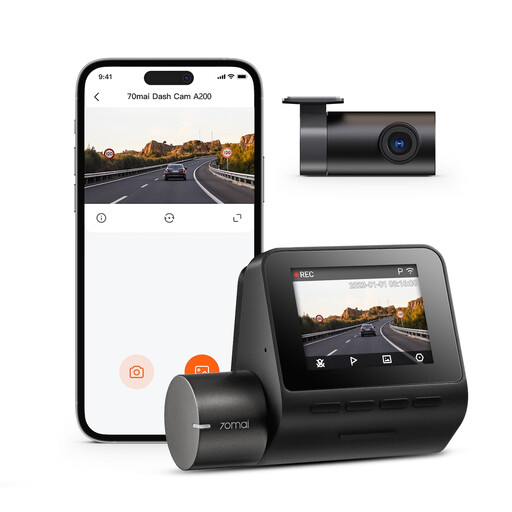
Why it stands out: This set offers a complete and affordable solution for dual dash cam recording. The smooth 60FPS recording of the front camera is a key advantage for capturing fast-moving details.
Pros:
Who is it for? An excellent all-around choice for drivers who want the peace of mind of a front and rear dash cam, with the bonus of extra-smooth footage from the front camera. A microSD card is not included.
The world of dash cams is vast, with models to suit every need and budget. If the recommendations above don't perfectly match what you're looking for, there's plenty more to discover.
Browse our full range and compare different specifications to find the perfect match for your car.
? Discover more options in our vision camera category
1. Are dash cams legal? Yes, using a dash cam is legal in most countries and regions. You are generally permitted to make recordings for personal use, such as for evidence after an accident. However, it is important to be mindful of privacy laws (like GDPR). Do not publish footage on which people or license plates are identifiable without their consent. Always check your local regulations.
2. What is the benefit of a dash cam with parking mode?Parking mode protects your car when you're not around. If the G-sensor detects an impact (e.g., from a parking bump or a break-in attempt), the camera automatically starts recording. This can provide you with valuable evidence of incidents that occur while your car is parked. This feature almost always requires a ‘hardwire kit’ to supply the camera with power.
3. How does 'loop recording' work? Loop recording is a standard feature on virtually every dash cam. The camera records in short segments (e.g., 1, 3, or 5 minutes). Once the memory card is full, the oldest, non-protected file is automatically overwritten. This means you never have to manually clear the card. Important recordings, such as those from an accident (triggered by the G-sensor), are locked and will not be overwritten.
