
Vandaag of morgen in huis

Kwaliteit gegarandeerd

Welkomstaanbiedingen ontgrendelen: GRATIS bezorging | Tot 80% korting | Gratis 30 dagen JoyPlus-proefperiode
Download de app
Installing a dash cam in your car feels like a smart move. It provides peace of mind on the road and can deliver crucial evidence in the event of an incident. But the market is flooded with models that promise the world. Many car owners fall into the same traps, ending up with an unreliable device or unexpected costs.
As a Joybuy Product Recommendation Officer, I see it as my job to help you see through the marketing hype. Let's discuss the three most common pitfalls and how you can avoid them.
By paying attention to a few key specifications, you can choose a model that actually does what it promises.
Before you make a choice, it's important to look beyond the marketing terms. These three technical aspects determine the reliability and usability of your car camera.
A 4K dash cam sounds impressive, but resolution alone isn't the be-all and end-all. The quality of the image sensor is at least as important, especially for recording in low-light conditions.
The way your footage is stored is essential for reliability.
The power source determines not only reliability in extreme temperatures but also whether features like parking mode will work.
Not everyone has the same requirements. Below are several options that suit different types of drivers, with a specific focus on how they bypass the pitfalls mentioned earlier.
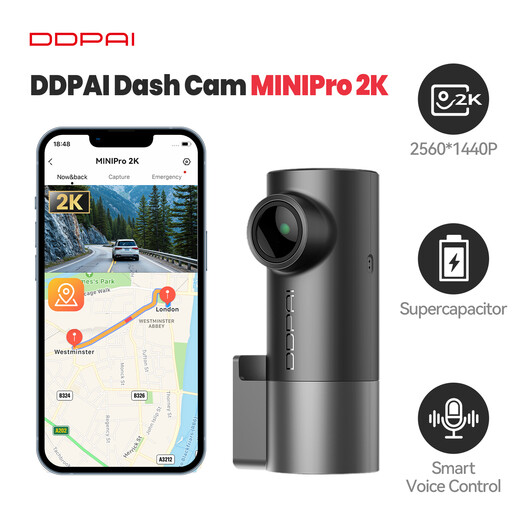
Why This Fits Their Persona: Ideal for those seeking a reliable, no-frills dash cam. Its compact size is barely noticeable behind the mirror, and the 1440P resolution offers a clear upgrade over standard 1080p models without breaking the bank.
According to DDPAI, the NightVIS 2.0 technology enhances low-light performance, so you won't be left with unusable, grainy footage. The product information clearly states that a separate hardwire kit is required for parking mode.
1440P (2K) resolution for sharper footage than standard Full HD. Supercapacitor for better heat resistance and a longer lifespan.
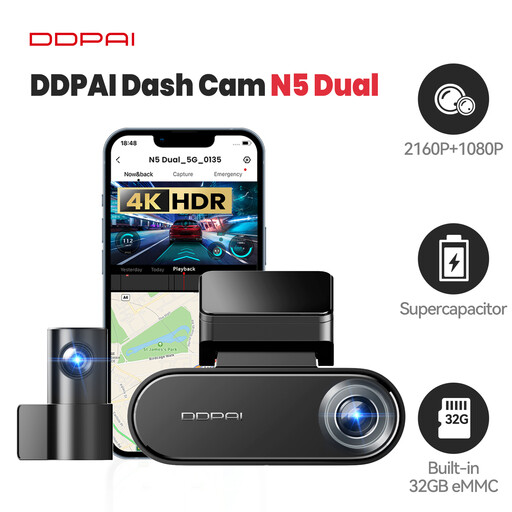
Why This Fits Their Persona: For the driver who wants no compromises. This set offers a 4K dash cam at the front and a 1080p camera at the rear, built-in GPS, fast 5GHz Wi-Fi, and a unique dual-storage system for maximum reliability.
It directly addresses the pitfall of unreliable storage. According to DDPAI, the D?save 2.0 technology with 32GB of built-in eMMC storage as a backup ensures footage is safe, even if the (separately sold) microSD card fails.
Dual storage (eMMC + microSD slot) for maximum reliability. 4K + 1080P dual-channel recording for complete coverage.
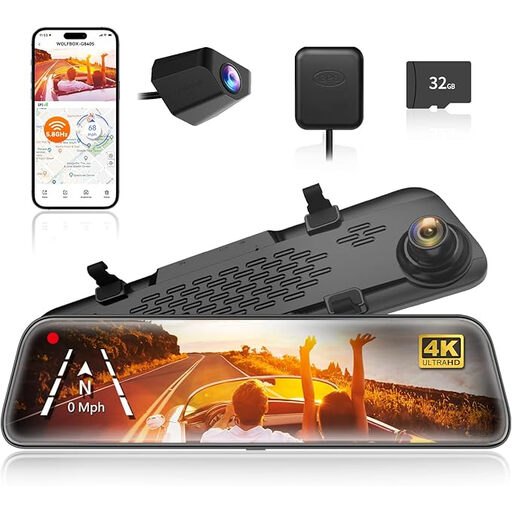
Why This Fits Their Persona: This mirror dash cam replaces your existing rearview mirror and functions as a 12-inch touchscreen. It's a sleek, integrated solution that doesn't obstruct your view and provides a wide, clear view of the rear, which is especially useful when parking.
This model comes with a 32GB memory card and a GPS module included. This eliminates the most common 'hidden costs' right out of the box, allowing you to use all features immediately after installation.
Integrated mirror design for a discreet installation. Large 12-inch touchscreen for easy operation and a clear rearview display.
We have compiled a complete, up-to-date list of products that fully meet these strict selection criteria and local regulations.
Yes, it is highly recommended. A dash cam continuously writes data. A standard microSD card is not designed for this and can wear out quickly, leading to corrupted files. Always choose a ‘High Endurance’ microSD card specifically designed for video surveillance and dash cams. A reliable card like the 70mai 128 GB MicroSD Card is a worthwhile investment.
In the UK, using a dash cam for private purposes is completely legal. You may use the footage as evidence in legal proceedings. However, be cautious about publishing footage online; due to privacy laws (GDPR), you must blur or pixelate faces and license plates. Note: in some other European countries, such as Austria and Portugal, stricter rules apply or their use is prohibited. Check local laws if you are travelling abroad.
Parking mode provides protection when your car is parked. The built-in G-sensor detects an impact or collision (for example, another driver's parking error or vandalism) and automatically starts a protected recording. This gives you evidence, even if you weren't nearby. For this feature, you will almost always need a hardwire kit, such as the Baseus PrimeTrip VD1 Pro Dash Cam Hardware Kit, to provide the camera with constant power.
