
Vandaag of morgen in huis

Kwaliteit gegarandeerd

Welkomstaanbiedingen ontgrendelen: GRATIS bezorging | Tot 80% korting | Gratis 30 dagen JoyPlus-proefperiode
Download de app
Dark spots on the face, an uneven complexion, or post-acne marks: many people are searching for an effective cream for hyperpigmentation. The market is flooded with products promising flawless skin. But how do you separate marketing fluff from what's genuinely practical for your skin? As a Product Recommendation Officer at Joybuy, I'm here to help you cut through the noise so you can make an informed choice.
Before you invest in a new brightening cream, it's important to recognise the most common pitfalls.
hyperpigmentation cream without daily SPF is like taking one step forward and two steps back. The sun is a major cause of dark spots, and without protection, spots can darken or return.To avoid a bad purchase, you can look for a few specific features. This will help you see past the marketing and focus on what matters for an even skin tone.
A good cream for dark spots on the face often contains a combination of ingredients that work in different ways.
niacinamide cream is a popular choice due to its versatile benefits.A product's effectiveness also depends on how pleasant it is to use. A cream that's too rich can clog oily skin, while a light gel may not provide enough hydration for dry skin. Choose a texture that fits your daily routine and skin needs. A gel-cream is often suitable for combination to oily skin, while a richer cream may work better for dry or mature skin.
Even if a cream contains antioxidants, a separate sunscreen with at least SPF 30 is necessary every day. Active ingredients that target dark spots can make the skin more sensitive to the sun. Protection is key to maintaining your results and preventing new spots. Some day creams already include an SPF, which can be a practical option.
Based on product specifications and various user profiles, we have selected a few options that align with specific needs.
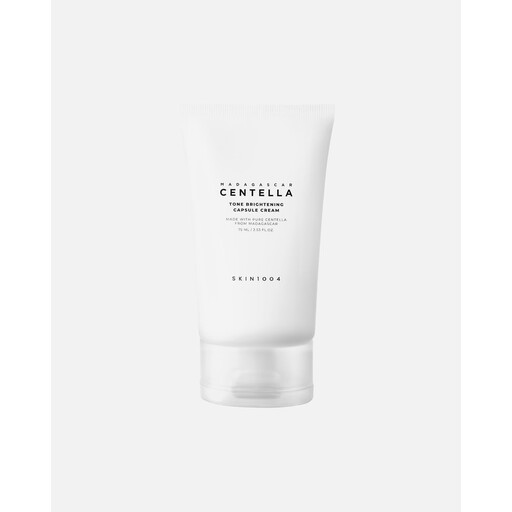
Why This Fits Their Persona: Ideal for those just starting to address spots, especially post-acne marks. The formula focuses on soothing and brightening without irritating the skin, which is perfect for sensitive or troubled skin.
This product doesn't focus on a single ingredient but combines a high concentration (60%) of soothing Centella Asiatica with brightening Niacinamide and Tranexamic Acid. It's a balanced approach rather than a 'miracle solution'.
Lightweight gel texture that absorbs quickly. Free of fragrance and alcohol, which reduces the risk of irritation. Suitable for almost all skin types.
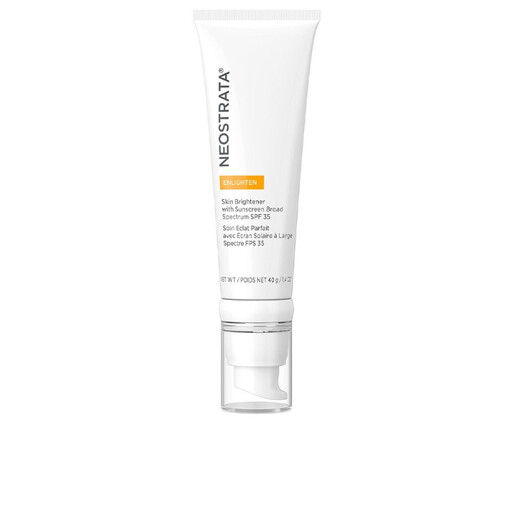
Why This Fits Their Persona: For those who want an efficient morning routine. This product combines tackling dark spots with essential daily sun protection in one step.
This product directly addresses the pitfall of forgetting SPF. The formula with SPF 35 ensures your skin is protected, which is crucial when treating hyperpigmentation. It's a smart, preventative approach.
Combines active ingredients like Neoglucosamine and B-Resorcinol with broad-spectrum sun protection. Oil-free and non-comedogenic, so it won't clog pores.
We've curated a complete, up-to-date list of products that meet these selection criteria. Find the cream that suits your skin and routine.
Patience and consistency are essential. The skin renewal process takes several weeks. With consistent daily use, combined with sun protection, you can typically notice the first improvements in your skin tone and the visibility of spots after 4 to 12 weeks.
Yes, you can. In that case, opt for products with soothing ingredients like Centella Asiatica, Panthenol, or Madecassoside. Formulas that are free of fragrance and alcohol are often a safer choice. It's always wise to patch-test a new product on a small area of skin (for example, behind your ear or on your inner arm) to see how your skin reacts.
Yes, absolutely. This is non-negotiable for anyone aiming to remove dark spots or reduce them. Many brightening ingredients make your skin more sensitive to UV radiation. Without daily protection of at least SPF 30, you undermine the effectiveness of your cream and risk developing even more hyperpigmentation.
