
Fans of a cocoa-forward flavour
If you’d like a small, sweet topping after a savoury meal, with a clearly stated cocoa percentage, look beyond the word ‘dark’. It doesn’t tell you how the percentages on different packs compare.


Looking for dark chocolate sprinkles with a clearly stated cocoa percentage to enjoy after a stamppot supper? The De Ruijter and Venz options covered here can be compared on that basis. Albert Heijn states a minimum of 52% cocoa solids for De Ruijter Specials Intens Puur and 43% for Royaal Extra Puur; the Venz Puur product page on Joybuy states a minimum of 32%. The percentage won’t tell you which one you’ll enjoy most: also consider how much you need and, if you have an allergy, check the label on the pack you choose.
If you’d like a small, sweet topping after a savoury meal, with a clearly stated cocoa percentage, look beyond the word ‘dark’. It doesn’t tell you how the percentages on different packs compare.
If you also use chocolate sprinkles on bread or as a topping at later mealtimes, the net weight can help determine which pack is practical. A larger pack doesn’t, by itself, tell you anything about the cocoa percentage.
If you have a milk or soya allergy, the ingredients and allergen information for the exact variant matter more than the word ‘dark’. Read the label on the pack you’ll actually be using.
Before choosing a sweet finish to your stamppot, decide what matters most to you: a stated cocoa percentage, a dark option to share, allergen checks or the amount in the pack. Then compare only the product details that are relevant to your choice.
| What to consider | What to check | Who it matters to |
|---|---|---|
| Stated cocoa percentage | Check the minimum percentage of cocoa solids on the exact pack. Compare percentages only when they’re stated on the same basis. | If I want a distinctly dark topping after stamppot, I want to compare options without relying on the product name alone. Around 46% of consumers prioritise the stated cocoa percentage. |
| A dark flavour to share | Consider which dark variant you want to serve and whether the pack size suits the number of occasions you’ll use it for; the percentage alone won’t predict your flavour preference. | When several people are using the same pack, I don’t want to choose based solely on the highest cocoa percentage. Around 27% of consumers place most importance on a dark option to share. |
| Ingredients and allergens | Read the current ingredients and allergen information on the pack you choose, paying particular attention to milk and soya if these are relevant to you. | If I have an allergy, I want to know what’s in the pack before serving it. Around 18% of consumers prioritise checking ingredients and allergens. |
| Net weight | Compare the weight in grams with how much you expect to use at this and future mealtimes. | If we’re going to use the same pack several times, I want to choose an amount that suits us. Around 9% of consumers therefore prioritise pack size. |
The word doesn’t make the variants covered here directly comparable. Albert Heijn states a minimum of 52% cocoa solids for De Ruijter Intens Puur and a minimum of 43% for Royaal Extra Puur; the Venz Puur product page on Joybuy states a minimum of 32%. These are differences in stated minimums, not the results of a taste test.
If the minimum percentage is your main selection criterion, check it on the pack.
The De Ruijter Intens Puur and Royaal Extra Puur variants covered here list soya lecithin and fractionated milk fat, as well as possible traces of milk protein and lactose. Don’t assume the same applies to other variants.
If you have an allergy, check the ingredients and allergen information on the pack you’re buying, even if you’ve used a similar product before.
A stated cocoa percentage doesn’t tell you how much sugar or fat a portion contains. The Voedingscentrum gives average figures for 15 g of dark chocolate sprinkles of 67 kcal, 9,1 g of sugars and 1,3 g of saturated fat; the values for a specific product may differ.
Use the percentage to compare cocoa solids, and check the nutritional information on your chosen pack for its nutritional value.
The packs covered here range from 200 g for De Ruijter Intens Puur to 600 g for Kiekeboe Puur at ALDI. The weight doesn’t tell you how the sprinkles taste or what ingredients they contain.
Think about how much you’ll use this evening and at future mealtimes before choosing a pack size.
These examples show which details you can compare for each variant; the features of one pack don’t necessarily apply to the whole brand.
Albert Heijn states a minimum of 52% cocoa solids for the 200 g pack of Specials Intens Puur and a minimum of 43% for the 390 g pack of Royaal Extra Puur.
Jumbo lists Venz Puur Chocolade Hagelslag in a 400 g pack; the product page on Joybuy states a minimum of 32% cocoa solids.
ALDI lists Kiekeboe Hagelslag Puur in a 600 g pack, made with Rainforest Alliance cocoa.
Alongside Venz Puur in a 400 g pack, Jumbo lists its own 380 g dark chocolate sprinkles, made with Rainforest Alliance people & nature cocoa.
Lidl Netherlands lists Mister Choc Hagelslag Puur as a dark variant.
These products are suited to using dark chocolate sprinkles or dark flakes as a small topping after a stamppot supper and at future mealtimes. Note the difference between sprinkles and flakes, and check the ingredients and stated cocoa percentage for each pack you choose.
 No image available
Dark chocolate sprinkles to consider when a smaller pack is enough for your topping.
Pack weight: 200 g. If you have a milk or soya allergy, check the ingredients and allergens on the packaging.
 No image available
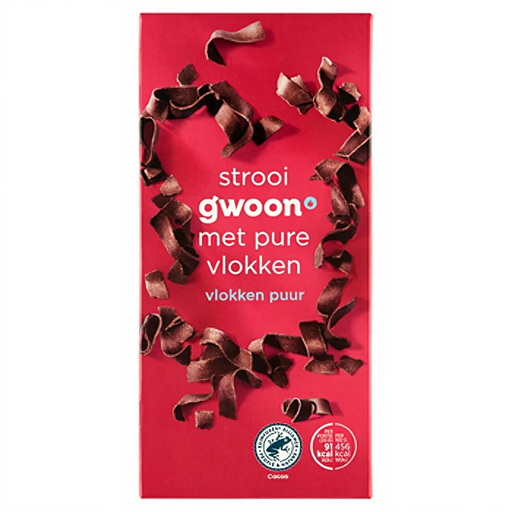
Dark flakes for anyone who’d like to use this form as a topping instead of regular chocolate sprinkles.
Pack weight: 300 g. If you have a milk or wheat allergy, read the label and check how the cocoa percentage is described on this pack before comparing it with other packs.
 No image available
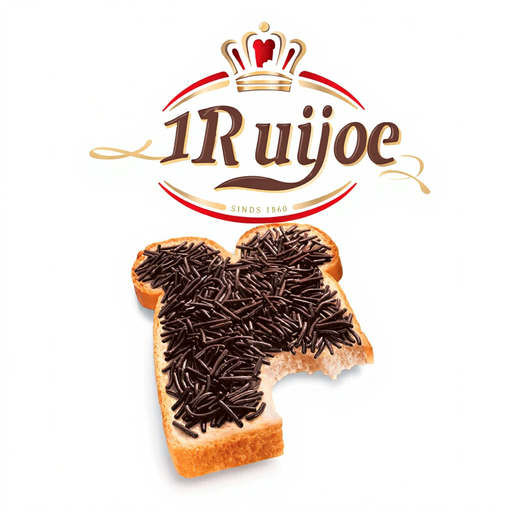
Dark chocolate sprinkles to consider if you’d like one pack to last for several mealtimes.
Pack weight: 390 g. Check the cocoa percentage for this exact variant and, if you have a milk or soya allergy, check the ingredients and allergens on the pack.
No. To compare, check the explicitly stated minimum percentage of cocoa solids on the exact pack. Albert Heijn states a minimum of 52% for De Ruijter Specials Intens Puur and 43% for Royaal Extra Puur; the Venz Puur product page on Joybuy states a minimum of 32%.
Choose a net weight that suits this evening as well as the mealtimes that follow. Of the examples mentioned, ALDI lists Kiekeboe Puur at 600 g, while De Ruijter Intens Puur contains 200 g; a larger pack tells you nothing about the cocoa percentage or flavour.
No. ‘Dark’ doesn’t replace the allergen information for the specific product. If you have an allergy, read the current label on the pack you’re using; for example, the De Ruijter variants covered here list soya lecithin and milk fat, and may contain milk protein and lactose.
The cocoa percentage alone doesn’t tell you how much sugar or fat a portion of a specific product contains. The Voedingscentrum gives average figures for 15 g of dark chocolate sprinkles of 67 kcal, 9,1 g of sugars and 1,3 g of saturated fat; for your chosen pack, compare the nutritional information per 100 g and per portion.