What should you look for when choosing?
Ready-made speculaas with dark chocolate
Choose this if: you want to serve a single biscuit product without any preparation and the packaging states your preferred cocoa percentage.
Bear in mind: ‘dark chocolate’ alone doesn’t confirm a high cocoa percentage. Albert Heijn also marks its Speculaas Met Pure Chocolade as discontinued.
Speculaas with a separate bar of dark chocolate
Choose this if: you want to choose the cocoa percentage yourself and serve the two products together.
Bear in mind: you won’t be buying ready-made speculaas with chocolate; you’ll need to check the ingredients and allergens on each pack separately.
For an Easter treat featuring speculaas and a hint of dark chocolate, the key things to consider are cocoa percentage, ease of serving and label information.
| What to consider |
What to check when buying |
Who it matters to |
| Cocoa percentage |
Check the percentage of cocoa solids on the chocolate component’s packaging. A product name containing ‘dark’ doesn’t, on its own, confirm a percentage of 70% or more. |
I want the chocolate flavour to come through clearly alongside the speculaas, so I look for a stated cocoa percentage first. This is the top priority for around 50% of consumers. |
| Ready to serve |
Check that the exact product is available and whether the chocolate is already on or in the biscuit, or needs to be bought separately. |
If I’m short on time when setting the Easter table, a product that’s ready to serve matters more than making my own combination. Around 30% of consumers give this top priority. |
| Allergens and labelling |
Read the ingredients, allergens and any ‘may contain’ statement for both products. Compare nutritional values per 100 g if serving sizes differ. |
Before serving, I need to know which ingredients and allergens are in the biscuit and chocolate I’ve chosen. For around 20% of consumers, this is the most important thing to check. |
Dark chocolate to pair with speculaas
These chocolate bars suit the option of choosing your own cocoa percentage and serving the chocolate alongside speculaas bought separately. None of the bars is speculaas; check the labels on both products before serving.
 Image unavailable
Lindt Excellence 85% Cocoa Dark Chocolate, 100 g
For serving a separate chocolate bar with 85% cocoa alongside speculaas. This product doesn’t contain speculaas; choose the biscuit separately and, if anyone has allergies, check the exact packaging of both products.
View at Joybuy
 Image unavailable
Lindt Excellence 70% Cocoa Dark Chocolate, 100 g
For serving a separate bar with 70% cocoa alongside speculaas. You’ll need to choose the speculaas separately; if anyone has allergies, check the current ingredients and warnings for both products.
View at Joybuy
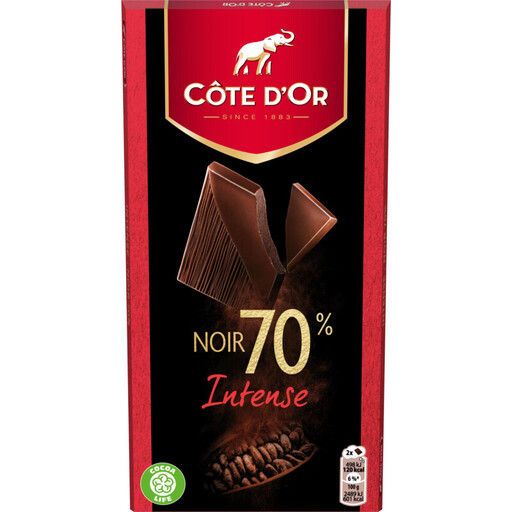 Image unavailable
Cote D'or Sensation Noir 70%, 100 g
For creating your own combination of speculaas and a separate bar with 70% cocoa. This isn’t a speculaas product. The product description lists milk and soya and mentions possible nuts; if anyone has allergies, check the exact packaging.
View at Joybuy
Frequently asked questions
Does ‘dark chocolate’ automatically mean at least 70% cocoa?
No. The Voedingscentrum states that dark chocolate contains at least 35% cocoa. If you’re looking for a specific percentage to serve with speculaas, check the cocoa solids content on the packaging.
Can milk chocolate with speculaas crumbs replace dark speculaas?
Not if you specifically want to choose chocolate with a high cocoa percentage. The Verkade Speculaas Melkchocolade described by Jumbo contains 10% biscuit crumbs and 0.25% speculaas spices; Jumbo states that the milk chocolate contains at least 29% cocoa solids. It’s a different product from speculaas served with a separate bar of dark chocolate.
Which allergens should I check in speculaas and chocolate?
Check the listed allergens and any ‘may contain’ warnings on the exact packaging of both products. Look out for wheat or other gluten-containing cereals, milk, soya and nuts, among others; which ones apply varies by product. According to the Voedingscentrum, the 14 most common allergens must be listed on the label.
Can I rely on ingredients listed on a product page I viewed earlier?
It’s best to check the packaging of the product you’re actually buying. Albert Heijn warns that product information, including ingredients, nutritional values and allergy information, can change. This is especially important when you’re pairing speculaas and chocolate from two separate products.


