
Vandaag of morgen in huis

Kwaliteit gegarandeerd

Welkomstaanbiedingen ontgrendelen: GRATIS bezorging | Tot 80% korting | Gratis 30 dagen JoyPlus-proefperiode
Download de app
The search for the perfect dark chocolate snack can be overwhelming. The market is flooded with options, from classic biscuits to bars promising specific health benefits. But how can you be sure you're making the right choice? Many products look better than they actually are. As a Joybuy Product Recommendation Officer, I'm here to help you see through the marketing hype and find a snack that's truly right for you.
Before you make a choice, it's important to be aware of a few common pitfalls:
dark chocolate protein bar can still be high in calories, while a low-sugar chocolate snack might be packed with sweeteners you'd prefer to avoid.To avoid making the wrong purchase, it's wise to check a few key specifications. This will help you choose a product that aligns with your needs, whether you're looking for a treat, a functional snack, or a baking ingredient.
The order of ingredients on the label is crucial. Ingredients are listed by weight, so whatever appears first is the most prominent.
dark chocolate nut bar naturally contains fats from nuts, which has a different nutritional profile than a snack with added palm oil.Not every dark chocolate snack is suitable for every moment. Think about what you intend to use the product for.
biscuits with dark chocolate are often designed for moments of indulgence. The focus is on taste and texture rather than nutritional value.chocolate snack for after a workout or to beat the afternoon slump? A protein bar or a bar with nuts and fibre is a more logical choice.dark chocolate drops are the best option. They are specially designed to hold their shape when heated.To help you get started, we've highlighted some popular choices and matched them to different needs.
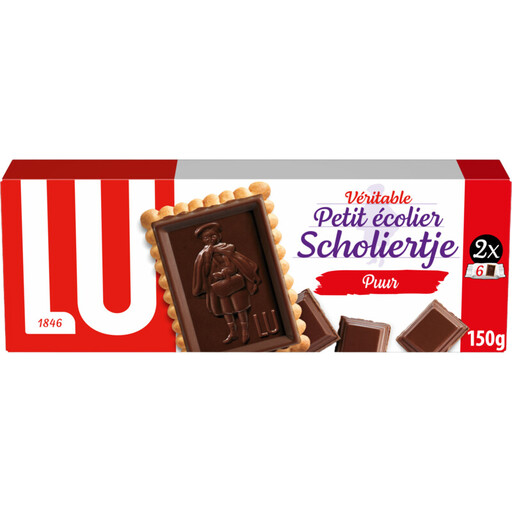
Why This Fits Their Persona: Perfect for those seeking a familiar and satisfying treat. This is a no-fuss biscuit for coffee or tea, where the focus is purely on taste and enjoyment.
This product doesn't pretend to be a health food. It's a transparent choice for a moment of indulgence, thereby avoiding the "health halo" pitfall.
The combination of a real butter biscuit with a dark chocolate tablet. Conveniently packaged in individual portions of 2.
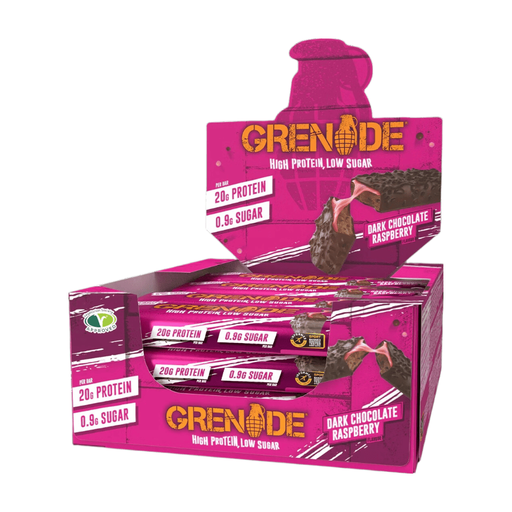
Why This Fits Their Persona: Specifically designed for those who need a functional post-workout snack. The focus is on muscle recovery and protein replenishment, with the flavour of dark chocolate.
This bar sidesteps the pitfall of vague functional claims. According to the manufacturer, Grenade, each bar contains over 20 grams of protein and less than 2 grams of sugar, which is clear and verifiable.
High in protein (20g per bar) and low in sugar (0.8g per bar). Supports muscle recovery after physical exertion.
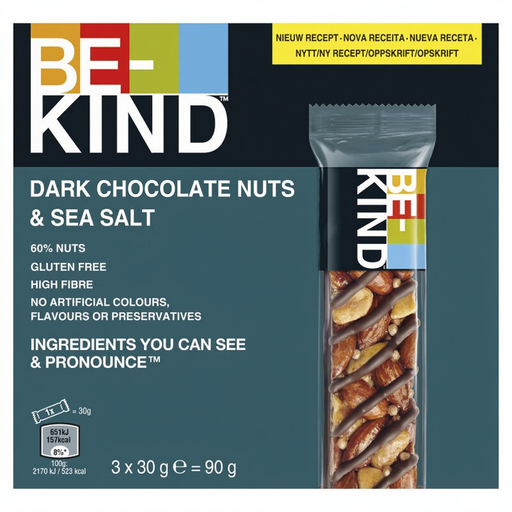
Why This Fits Their Persona: Ideal for anyone looking for a `healthy chocolate snack` with recognisable ingredients. This nut bar offers a great balance of flavour and nutrients from natural sources.
This bar is transparent about its composition. With 60% nuts (almonds and peanuts) as the main ingredient, it avoids the pitfall of a misleading "healthy" label.
Made with whole nuts as the primary ingredient. The combination of nuts, dark chocolate, and sea salt creates a complex flavour and a satisfying texture.
We have compiled a complete, up-to-date list of products that meet these selection criteria.
Not necessarily. While dark chocolate typically contains more cocoa and less sugar, the overall nutritional value depends on the entire product. A biscuit with dark chocolate can still contain a lot of sugar, calories, and saturated fat. It's always advisable to check the nutrition facts table rather than judging by the type of chocolate alone.
These terms are not legally defined but generally refer to the percentage of cocoa solids. "Dark" usually indicates a cocoa percentage of around 50-70%. "Extra dark" is often used for chocolate with 70% cocoa or more. A higher percentage means a more intense, less sweet cocoa flavour, but it says nothing about the quality of the beans used.
Store them in a cool, dry, and dark place, ideally between 15 and 18 degrees Celsius (59-64°F). The refrigerator is usually too cold and humid, which can lead to a white coating known as sugar or fat bloom. Keep the packaging tightly sealed to prevent the chocolate from absorbing odours from other foods.
