What should you look for when choosing?
First decide whether you want a filled biscuit or whether dark chocolate would also suit your coffee break. Then check the label for the product you’ve chosen.
| What to consider |
What to check when buying |
Who is this most important to? |
| Dark cocoa flavour |
Check the label of the exact product to see whether it lists cocoa, chocolate and, where applicable, a cocoa percentage. |
With my afternoon coffee, I mainly want a product with a clearly stated cocoa content on the packaging. Around 50% of consumers prioritise that dark cocoa flavour. |
| Filled biscuit |
Check the product description and the stated amount of almond paste. |
For me, it’s the combination of biscuit and almond paste filling that makes a coffee break. Around 33% of consumers prioritise the character of a classic kano. |
| Ingredients and nutritional information |
Read the current allergen information and compare the nutritional values of different products per 100 g. |
I want to be able to check before buying whether the ingredients and nutritional information suit my needs. Checking the label is the top priority for around 17% of consumers. |
Dark chocolate to enjoy with coffee
These Joybuy products are chocolate bars for anyone who would prefer a product with a stated cocoa percentage alongside their afternoon coffee. They don’t replace the biscuit and almond paste filling of a kano. Compare the percentages and check the packaging of your chosen bar for ingredients and allergens.
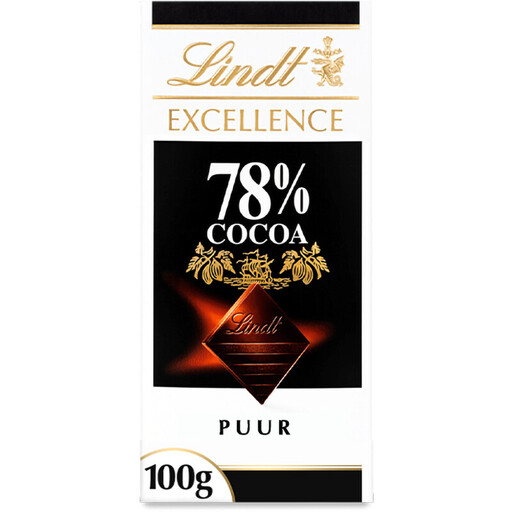 Image unavailable
Lindt Excellence 78% Cacao, 100 g
A chocolate bar for anyone looking for a stated cocoa percentage to enjoy with coffee, rather than a filled kano.
The product name states 78% cocoa and a weight of 100 g. Check the current ingredients and allergen information on the packaging.
View at Joybuy
 Image unavailable
Lindt Excellence 85% Cocoa Dark Chocolate, 100 g
A chocolate bar for anyone who values a clearly stated cocoa percentage more than the biscuit texture of a kano.
The product name states 85% cocoa and a weight of 100 g. Check the allergen information on the packaging before you choose.
View at Joybuy
 Image unavailable
Lindt Excellence 90% Cocoa Supreme Dark, 100 g
A chocolate bar for anyone specifically considering the 90% cocoa version instead of a kano.
The product name states 90% cocoa and a weight of 100 g. A higher percentage doesn’t change the difference between a bar and a filled biscuit.
View at Joybuy
 Image unavailable
Lindt Excellence 70% Cocoa Dark Chocolate, 100 g
A chocolate bar for anyone who’d like to consider the 70% cocoa version with their coffee.
The product name states 70% cocoa and a weight of 100 g. This isn’t a kano, so check the ingredients and allergen information for the bar itself too.
View at Joybuy
Frequently asked questions
Are the Albert Heijn and Jumbo kano biscuits dark chocolate kano biscuits?
The versions described aren’t labelled as dark chocolate kano biscuits. Albert Heijn describes a butter-rich biscuit with 41% almond paste, while Jumbo describes a butter-rich biscuit with 38% almond paste. If you’re looking for cocoa, check the label of any other version separately.
How do I compare a kano with dark chocolate to enjoy with coffee?
Compare the nutritional values per 100 g when looking at the labels side by side. Remember that they’re different types of product: a kano is a filled biscuit, while dark chocolate is a bar. A cocoa percentage doesn’t make them the same product.
Which allergens should I check in kano biscuits?
For the kano biscuits mentioned, check the current packaging for information about wheat or gluten, egg, milk, soya and almond. Also read any ‘may contain’ statements. If you’re choosing a chocolate bar, check the allergen list for that specific bar too.
How should I store kano biscuits after opening?
Follow the storage advice on the packaging of the kano biscuits you’ve bought. For the products described, Albert Heijn and Jumbo recommend storing them in a cool, dry, dark place. Albert Heijn also recommends keeping them in a sealed tin after opening.


