
Vandaag of morgen in huis

Kwaliteit gegarandeerd

Welkomstaanbiedingen ontgrendelen: GRATIS bezorging | Tot 80% korting | Gratis 30 dagen JoyPlus-proefperiode
Download de app
Want to order dark chocolate, but finding it hard to tell the difference between all the percentages and marketing claims? A bar with 70% cocoa doesn’t automatically taste the same as a 70% bar from another brand. Terms such as ‘intense’, ‘premium’ and ‘dark’ also tell you little about the ingredients unless you check the list.
Most disappointing purchases come down to three common pitfalls:
The percentage tells you how much of the bar is made up of cocoa ingredients. A 70% dark chocolate bar will generally leave more room for sugar than an 85% dark chocolate or 90% dark chocolate bar. You can often taste the difference:
Be sure to check the exact packaging. The product information for Tony’s Chocolonely Pure 70% states both ‘at least 70%’ and a different figure in another section. Always check the current packaging and ingredients list before buying.
A dark chocolate bar often contains cocoa mass, cocoa butter and sugar. Other ingredients can change its texture and flavour. Look out in particular for:
For example, the product information for Lindt Excellence 85% lists cocoa mass, low-fat cocoa, cocoa butter, brown sugar and vanilla. According to the information provided, the bar contains at least 85% cocoa. Lindt Excellence 90% contains, among other ingredients, cocoa mass, cocoa butter, low-fat cocoa powder, sugar and vanilla, according to the product description.
A 100g bar isn’t automatically better value than a 180g or 220g bar. Compare the price per 100g instead. Also check the nutritional values, especially when comparing different varieties.
Lindt Excellence 85% (100g) lists 584 kcal, 46g of fat, 19g of carbohydrates and 11g of sugars per 100g. Lindt Excellence 90% lists 592 kcal, 55g of fat, 14g of carbohydrates and 7g of sugars per 100g. These figures make the difference between the two varieties clear, but they don’t tell you everything about the flavour or whether either bar is right for every shopper.
Flavoured varieties can differ considerably too. According to the product information, Lindt Excellence Dark Caramel & Sea Salt contains at least 47% cocoa solids and 54g of sugar per 100g. Its ingredients therefore put it in a different category from 85% or 90% dark chocolate.

Why it suits this shopper: A 70% cocoa option for anyone looking to acquire a taste for dark chocolate without going straight for a very bitter bar.
The stated cocoa percentage and ingredients list make it easier to compare this bar with sweeter milk or caramel varieties.
100g, at least 70% cocoa according to the product information, and made with cocoa mass, sugar, cocoa butter and vanilla.

Why it suits this shopper: For adults looking for a bold, low-sugar chocolate flavour to savour slowly or enjoy with coffee.
The high, clearly stated cocoa percentage helps you avoid buying a milder dark chocolate bar when you’re looking for an intense flavour.
100g, 90% cocoa according to the product description, and 7g of sugar per 100g according to the listed nutritional values.
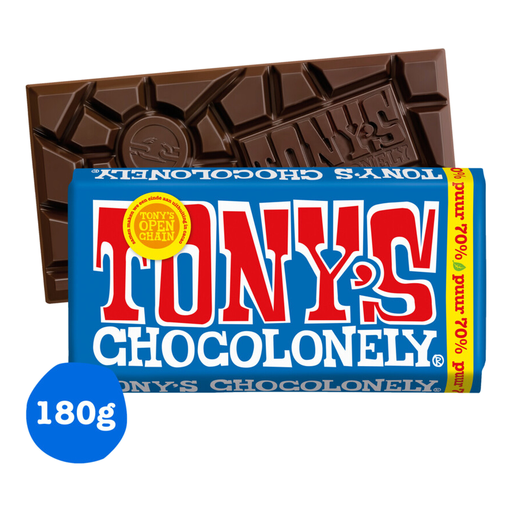
Why it suits this shopper: The 180g bar is handy for sharing, baking or enjoying in several small portions with coffee.
With a larger bar, you can compare the price per 100g rather than looking only at the price of a single pack.
180g, at least 70% cocoa according to the product information, and suitable as a snack or for use in recipes.
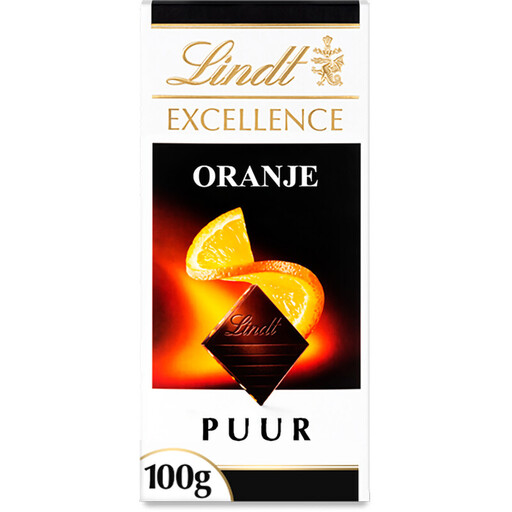
Why it suits this shopper: For anyone who enjoys pairing dark chocolate with citrus and the crunch of almond pieces.
The product information clearly lists orange, almond and a cocoa content of at least 48%, so you won’t mistake it for classic plain dark chocolate with no added ingredients.
100g, orange preparation and 7% almonds according to the listed ingredients.
We’ve put together a complete, up-to-date list of products that meet these strict selection criteria and the applicable European safety regulations.
Store chocolate in a cool, dry place, away from direct sunlight, heat and moisture. The product information for the bars mentioned also recommends resealing the pack securely after opening. A white bloom can appear on chocolate after temperature changes, but if you’re unsure, always check the packaging and best-before date.
Dark chocolate naturally contains stimulants such as caffeine and theobromine. If you’re sensitive to these, you may want to adjust your portion size and when you eat it. This is general product information, not health advice.
Not necessarily to the same degree. A higher cocoa percentage generally leaves less room for sugar, but check the nutritional values per 100g. A bar with caramel or a filling can still contain relatively high levels of sugar, despite having a dark chocolate base.
A simple bar with 70% to 85% cocoa is often a practical choice for ganache, desserts and chocolate sauce. If you want a smooth result, check that the bar doesn’t contain nuts, caramel or other pieces. A larger pack, such as 180g, can be handy when you’re making several portions.
Check the date on the packaging. Keep the bar sealed, somewhere dry and away from direct sunlight. Shelf life varies by product, so always use the information on the packaging as your guide.
