
Dark chocolate lovers
You’re looking for a biscuit with a distinct dark chocolate flavour. Check the stated proportion of dark chocolate, and separately see whether a cocoa percentage is given.


If you want to savour dark chocolate at Sunday breakfast, choose a biscuit that clearly states the type of chocolate and how much dark chocolate it contains. A dark-sounding flavour name doesn’t prove that it has a high cocoa content. Check the packaging, allergen information and nutritional details before you decide.
You’re looking for a biscuit with a distinct dark chocolate flavour. Check the stated proportion of dark chocolate, and separately see whether a cocoa percentage is given.
You want a pack that suits the number of people eating. Compare the number of biscuits, the packaging format and the nutritional information per serving.
You want to check the allergen information and the sugar and saturated fat content before buying. Also check the packaging of the product you receive.
First, distinguish between dark chocolate and dark chocolate flavour. Then decide what kind of pack suits your table, and check the ingredients and nutritional information.
| What to consider | What to check before buying | Who it matters to |
|---|---|---|
| Dark chocolate and cocoa | Check the type of chocolate, the proportion of dark chocolate and whether a cocoa percentage is stated. The percentage of chocolate pieces is not the cocoa percentage of the biscuit. | If I’m looking for a pronounced dark chocolate flavour, I want to know how much dark chocolate the biscuit contains. This preference for dark chocolate matters most to around 45% of consumers. |
| Packaging and portions | Compare the pack weight, the number of biscuits and whether they are individually wrapped. | When the breakfast table is full, I want to share out the biscuits without having lots left over. Around 33% of consumers prioritise being able to share them. |
| Chocolate mix and label | Check which types of chocolate are used, then read the ingredients, allergen information and nutritional details per 100 g or per serving. | I want a milder chocolate mix, or I need to be able to check exactly what’s in the biscuit. This is the top priority for around 22% of consumers. |
The type of chocolate stated doesn’t tell you what proportion of the whole biscuit is made up of cocoa. For example, Jumbo says its Chocolate Cookies contain 40% dark chocolate pieces, but that isn’t a cocoa percentage.
Check whether a cocoa percentage is explicitly given for the chocolate component or the whole biscuit. If not, compare the information that is provided, such as the proportion of dark chocolate.
The biscuits discussed include ingredients such as wheat, milk, egg and soya; for some varieties, warnings about the possible presence of other allergens are also relevant.
Read the current ingredients list, the allergen information and any ‘may contain’ warnings on the packaging.
The Netherlands Nutrition Centre lists options such as wholegrain foods, yoghurt or quark, porridge oats, fruit and eggs for breakfast. A biscuit has a different role at the breakfast table.
If you’re planning breakfast around those options, decide in advance how many biscuits you’d like to serve as an extra.
Jumbo offers both Chocolate Cookies with dark chocolate pieces and Chocolate Cookie Bars with a mix of milk and dark chocolate.
AH Soft chocolate cookies are soft biscuits with dark, milk and white chocolate.
Lidl describes its Double chocolate cookie as a biscuit with dark and white chocolate pieces.
Biscotto Chocolate Biscuits at ALDI are butter biscuits with dark, white and milk chocolate.
Lotus Biscoff is a crunchy speculoos biscuit with a caramelised flavour.
According to their product names, these biscuits have a dark chocolate flavour. Don’t choose based on the flavour name alone if the proportion of dark chocolate or a specific cocoa percentage is a deciding factor for you.
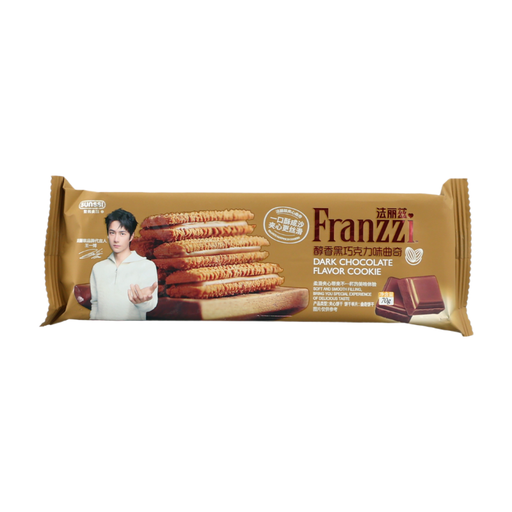 Image unavailable
An option if you’re looking for a dark chocolate-flavoured biscuit for Sunday breakfast.
Pack size: 70g. Check the label if the proportion of dark chocolate, cocoa percentage or allergens will influence your choice.
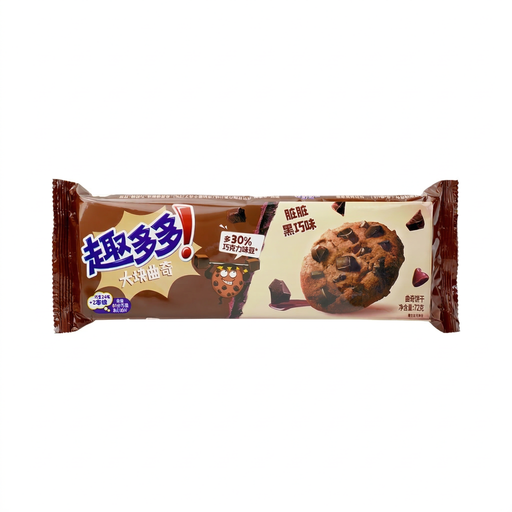 Image unavailable
An option if you’re looking for a small pack with a dark chocolate flavour.
Pack size: 72G. Check the type of chocolate and the cocoa percentage separately; a stated proportion of chocolate doesn’t tell you how much of it is dark chocolate.
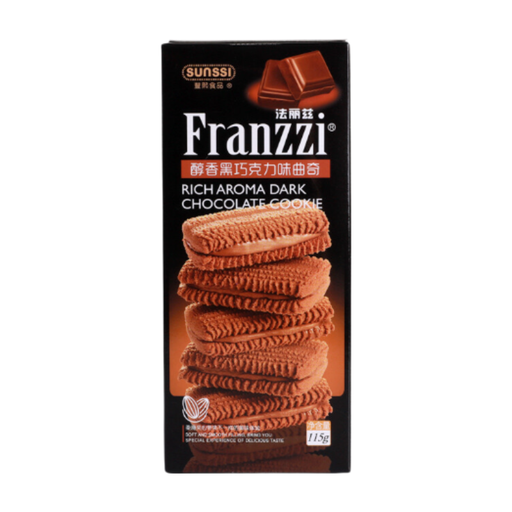 Image unavailable
An option if you’d like to enjoy dark chocolate-flavoured biscuits on more than one occasion.
Pack size: 115g. Check the current packaging for nutritional values, allergens and any stated cocoa percentage.
No. The type of chocolate doesn’t tell you how much cocoa the whole biscuit contains. Check both the proportion of chocolate in the biscuit and whether a cocoa percentage is given for that chocolate.
Check the ingredients list, highlighted allergens and any ‘may contain’ warnings on the current packaging. The varieties discussed include ingredients such as wheat, milk, egg and soya, but the ingredients vary from biscuit to biscuit. The Netherlands Food and Consumer Product Safety Authority explains how allergens are listed on labels.
A biscuit is better as an extra alongside breakfast options recommended by the Netherlands Nutrition Centre. These include wholegrain foods, yoghurt or quark, porridge oats, fruit and eggs. You can decide how many biscuits to serve alongside them.
The packaging lets you check the details of the product you receive. Ingredients and nutritional values can change, so check the label again, especially for allergens and any values that matter to you.