
Stock buyer looking for a distinctive flavour
Wants to tell the difference between dark chocolate and a caramelised biscuit flavour. This matters when the snack range needs to focus mainly on a dark chocolate flavour.


When choosing a range with a dark chocolate flavour, start by checking the flavour description, portion format and up-to-date ingredients and allergen information. The proportion of chocolate in a biscuit is not the same as the cocoa percentage of that chocolate. If a high cocoa content is essential, check the percentage on the packaging before adding a product to your range.
Wants to tell the difference between dark chocolate and a caramelised biscuit flavour. This matters when the snack range needs to focus mainly on a dark chocolate flavour.
Is looking for biscuits that are easy to hand out or take with you, and compares the number of portions and the packaging format.
Needs to check the current ingredients, allergens and any cross-contamination warnings for each product before adding it to the range.
First decide whether a dark chocolate flavour is enough, or whether you need a stated cocoa percentage. Then check which packaging and product information suit the way you plan to hand out the biscuits.
| What to consider | What to check | Who it matters to |
|---|---|---|
| Dark flavour and cocoa | Compare the flavour description and ingredients. Check the cocoa percentage on the packaging if a high content is essential; a stated proportion of chocolate does not tell you what that percentage is. | If you’re looking for a pronounced dark chocolate flavour, don’t rely on the word ‘dark’ alone. For around 33% of consumers, this is the top priority. |
| Allergens and labelling | Read the current ingredients list, allergen information and any cross-contamination warnings for each product you choose. | If I’m offering biscuits to others, I want to know which allergens to mention. Around 25% of consumers prioritise this check. |
| Portions and packaging | Check the number of portions, whether the biscuits are individually wrapped and how to store an opened pack. | When handing them out regularly, I want to know how many biscuits will be opened at a time. For around 25% of consumers, this is the most important consideration. |
| Nutritional information | Compare the nutritional information per 100 g and, where available, per portion. Pay particular attention to sugars and fats. | If you want to compare the nutritional content of different biscuits, the nutritional information is more useful than dark packaging. Around 17% of consumers put this first. |
Jumbo lists 63% chocolate for one chocolate biscuit and 30% dark chocolate for a digestive. These figures describe the proportion of chocolate in the biscuit, not the cocoa percentage of the chocolate.
If you have a minimum cocoa requirement, check the cocoa percentage on the current packaging or product specification.
A dark chocolate flavour says nothing about whether a product is suitable for someone who needs to avoid allergens. The Jumbo varieties discussed list ingredients including gluten, milk and soya.
Check the ingredients, allergens and any warnings on the packaging of each variety you choose.
A larger pack may provide more portions, but it only suits your range if the biscuits can be used after opening in line with the storage instructions.
Compare the portions per pack with how many you expect to hand out, and check how to store the opened pack.
The flavour or colour of chocolate doesn’t tell you everything about a biscuit’s nutritional content. The Netherlands Nutrition Centre also points out that snacks can vary considerably in sugars and saturated fat.
Read the nutritional information per 100 g and per portion before comparing products on nutritional value.
The own-brand products discussed come in two formats with dark chocolate: a small chocolate biscuit and a larger pack of digestives.
The chocolate biscuits described by ALDI come in a format that makes them easy to hand out in pairs.
A caramelised biscuit flavour can offer a different taste alongside chocolate biscuits.
These biscuits are aimed at those looking for a dark chocolate flavour. Check the current packaging if a particular cocoa percentage, portion format or allergen information is essential for your range.
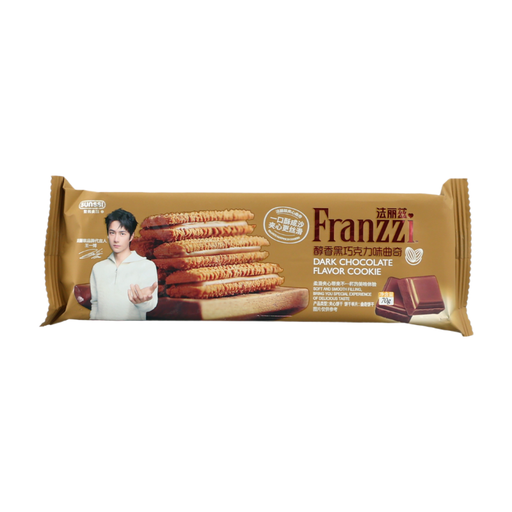 Image unavailable
An option if you’re looking for a small pack with a dark chocolate flavour. Check the cocoa percentage and allergen information on the current packaging if these are important to your choice.
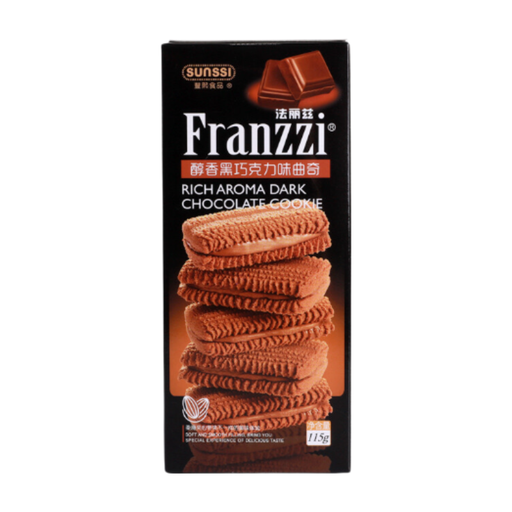 Image unavailable
A pack with a dark chocolate flavour for a range where you want to hand out biscuits. Check the current packaging for portion format, allergens and cocoa percentage if these matter when serving them.
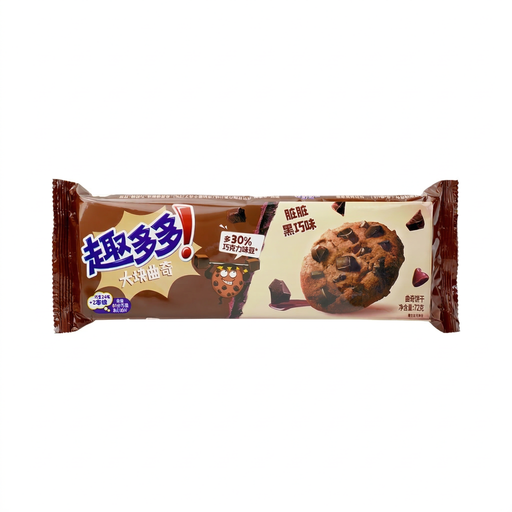 Image unavailable
A small pack to consider if a dark chocolate flavour is your main selection criterion. Check the portion information, allergens and cocoa percentage on the packaging separately.
No. The word ‘dark’ or a stated proportion of chocolate doesn’t, on its own, tell you the exact cocoa percentage. For example, Jumbo lists 63% chocolate for a chocolate biscuit and 30% dark chocolate for a digestive. If you have a specific minimum in mind, check the cocoa percentage on the current packaging.
Yes. Check the current packaging for every product you add to your range. The Netherlands Food and Consumer Product Safety Authority stresses that allergens must be clearly listed on food labels; the Jumbo varieties discussed list ingredients including gluten, milk and soya.
Follow the storage instructions for the product you choose and seal the pack tightly after opening. According to the product information, the Jumbo products discussed should be stored in a cool, dry place; instructions for storage after opening vary by variety.
Check the current packaging each time you buy a product again. Albert Heijn warns that product information, including ingredients, nutritional values and allergen information, can change.