
Hosts who prefer a strong cocoa flavour
You’re looking for a pronounced chocolate flavour for your neighbourhood get-together and want to see a stated cocoa percentage, rather than relying on the word ‘dark’ alone.


When choosing biscuits for a neighbourhood get-together, don’t rely on the word ‘dark’ alone: if a high cocoa content matters, the percentage of cocoa solids must be stated explicitly for the biscuit. A larger pack is ideal for a sharing platter, while individually wrapped portions are easier to hand out. If any guests have allergies, always check the current label and any warnings about cross-contamination.
You’re looking for a pronounced chocolate flavour for your neighbourhood get-together and want to see a stated cocoa percentage, rather than relying on the word ‘dark’ alone.
You want to know how many biscuits you can serve, so you compare the pack size and packaging format.
Before serving, you check which allergens are listed on the packaging and whether there are any cross-contamination warnings.
First decide whether a demonstrably high cocoa content is essential. Then consider what quantity and packaging format will work best for sharing. Check the label before serving biscuits to guests with allergies.
| What to consider | What to check when buying | Who it matters to |
|---|---|---|
| Cocoa content | Look for an explicitly stated percentage of cocoa solids for the exact product. The proportion of chocolate in a biscuit is not the same as the cocoa percentage of that chocolate. | I want to serve biscuits with a demonstrably high cocoa content, so the word ‘dark’ isn’t enough; around 42% of consumers prioritise a stated cocoa content. |
| Quantity and serving format | Compare the net weight and consider whether you want to fill a sharing platter or hand out individual portions. | When several neighbours are joining in, I want to be able to put out enough biscuits without assigning everyone a portion. Around 33% of consumers place the greatest importance on ease of sharing. |
| Allergens | Check the current label for both listed allergens and any ‘may contain’ warnings. | If a guest has a food allergy, I want to know which biscuits they should avoid before serving; around 25% of consumers prioritise this check. |
Jumbo states that Chocolettes Puur contains 27% dark chocolate, while the described Lotus Biscoff variant contains 30% chocolate. These figures don’t indicate the percentage of cocoa solids in the chocolate.
If the cocoa percentage influences your choice, look for a separate cocoa-content declaration for the exact biscuit.
The described Jumbo and Lotus biscuits list milk, wheat and soya, among other ingredients. Jumbo also includes warnings about the possible presence of other allergens.
Ask guests with allergies which ingredients they need to avoid, then check the current ingredients list and warnings on each pack.
A biscuit listed on a product page may not be available when you do your shopping. The pages consulted for Lotus Biscoff with dark chocolate, Verkade Crisp & choco puur and LU Mikado Pure state that these variants are no longer in the range or are unavailable.
Check current availability before planning your get-together around a particular variety.
Some biscuits may be left over after you open a pack for a sharing platter.
Choose a quantity that suits your group and follow the storage advice on the packaging for any leftovers.
Jumbo lists Chocolettes Puur in a 300 g pack and Chocolade Biscuits Puur among its dark chocolate biscuit options.
The variant described combines speculoos with a layer of dark chocolate and is individually wrapped in pairs.
Verkade offers both biscuits with dark chocolate and chocolate bars. These categories aren’t interchangeable if you’re specifically looking for biscuits.
LU Mikado Pure is a biscuit stick coated in dark chocolate; the pack described contains three individual packets.
This selection focuses on biscuits with a dark chocolate flavour for a neighbourhood get-together. If you’re looking for a demonstrably high cocoa content, check for an explicitly stated percentage.
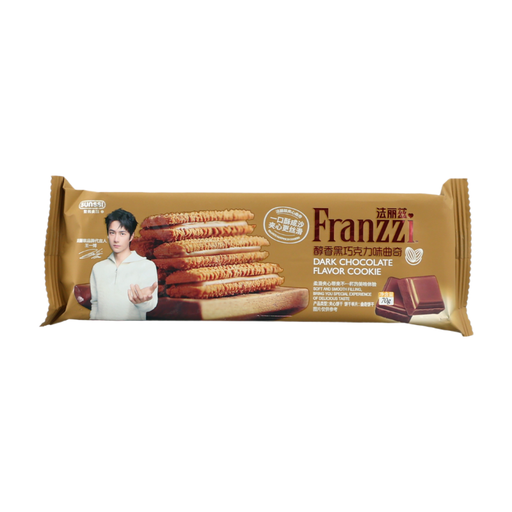 Image unavailable
An option if you want to serve biscuits with a dark chocolate flavour. Use the 70 g pack size to work out how many you’ll need for your guests.
If you’re looking for a demonstrably high cocoa content, check the percentage of cocoa solids on the current label. For guests with allergies, also read the ingredients list and any cross-contamination warnings.
No, not on its own. For the biscuits described, Jumbo states that chocolate makes up 27% and 30% of the overall product; these aren’t percentages of cocoa solids. To compare cocoa content, look for an explicit declaration for the exact biscuit.
Follow the storage advice on the pack and seal any opened biscuits securely. If you don’t serve them all at your get-together, you can store the rest in an airtight tin.
Yes. ‘Dark’ doesn’t mean a biscuit is free from milk or other allergens. Check the ingredients and any ‘may contain’ warnings on every pack; the Netherlands Food and Consumer Product Safety Authority explains how allergens are listed on labels.