
Students who enjoy dark chocolate
If you’re looking for a dark chocolate biscuit for lunch, you can compare the stated proportion of chocolate. This figure doesn’t tell you how much cocoa the chocolate contains or how bitter the biscuit tastes.


When choosing a dark chocolate biscuit for secondary school, first check the current label and the school’s rules: the options discussed here contain wheat and also list milk and soya. If you want to set a portion in advance, you could consider a pack containing two biscuits; with a larger pack, you can decide how many to take. A dark chocolate-flavoured cookie is not automatically a biscuit with a specified proportion of dark chocolate or cocoa.
If you’re looking for a dark chocolate biscuit for lunch, you can compare the stated proportion of chocolate. This figure doesn’t tell you how much cocoa the chocolate contains or how bitter the biscuit tastes.
When packing a lunch, both the current label and the school’s rules matter. The Netherlands Food and Consumer Product Safety Authority explains that allergens must be clearly listed on the label; the Netherlands Nutrition Centre advises parents to ask about the school’s food policy.
A pack containing two biscuits makes it easy to see how much you’re taking. Also compare the portion size on the label: a portion isn’t the same as the contents of a whole pack.
Start with the label and the school’s rules. Then compare the portion you’ll actually pack with the nutritional information per 100 g, and only then decide which type of biscuit best suits the flavour you’re after.
| What to consider | What to check before buying | Who it matters to |
|---|---|---|
| Allergens and school rules | Check the current label for ingredients such as wheat, milk and soya, and look for any warnings. Ask what rules the school follows. | If an allergen or school rule is a factor, I want to know before packing whether this particular biscuit is suitable. This is the top priority for around 40% of consumers. |
| Where a biscuit fits into lunch | Compare sugars, saturated fat and fibre per 100 g and for the portion you’ll take. Don’t judge a biscuit solely by terms such as dark chocolate or digestive. | If you regularly pack food for school, you may want to distinguish a biscuit treat from the rest of the lunch. Around 30% of consumers give this the highest priority. |
| Portion and chocolate flavour | Check how many biscuits make up one portion and whether a stated percentage refers to the proportion of chocolate in the product or the cocoa content of the chocolate. | I want to pack a set amount that suits a preference for dark chocolate. This is the most important consideration for around 30% of consumers. |
Dark chocolate describes the chocolate, not the nutritional value of the whole biscuit. The product pages from Jumbo and Albert Heijn list 26.6 to 36 g of sugars per 100 g for the three dark chocolate biscuits discussed here.
Compare the nutritional information per 100 g with the portion you pack. The Netherlands Nutrition Centre also suggests fruit, snack vegetables, unsalted nuts and wholemeal bread with a topping as snacks for teenagers.
The dark chocolate options discussed here contain wheat and list milk and soya; LU Scholiertje puur also carries a warning about possible nuts. A product name doesn’t tell you which allergens apply to a particular pack.
Read the physical label before packing the biscuit, and check the school’s rules too.
A statement that a biscuit contains 30% or 48% dark chocolate tells you how much chocolate is in it. It doesn’t give the cocoa percentage of that chocolate or predict exactly how it will taste.
If cocoa content is important to your choice, look for a separate statement about it on the pack.
Jumbo Digestive Biscuit Pure Chocolade is a digestive biscuit topped with dark chocolate, sold in a 300 g pack.
McVitie's Digestives Pure Chocolade is a wheat biscuit topped with dark chocolate.
LU Scholiertje puur is a butter biscuit topped with a piece of chocolate, packed in pairs.
AH Digestive pure chocola is an own-brand option that can be used for comparison.
Lotus Bakeries describes the Biscoff biscuit as crunchy and caramelised.
This product may suit you if you’re looking for a dark chocolate-flavoured cookie to pack in a lunchbox. Its flavour description alone doesn’t make it equivalent to the biscuits with a stated proportion of dark chocolate discussed above.
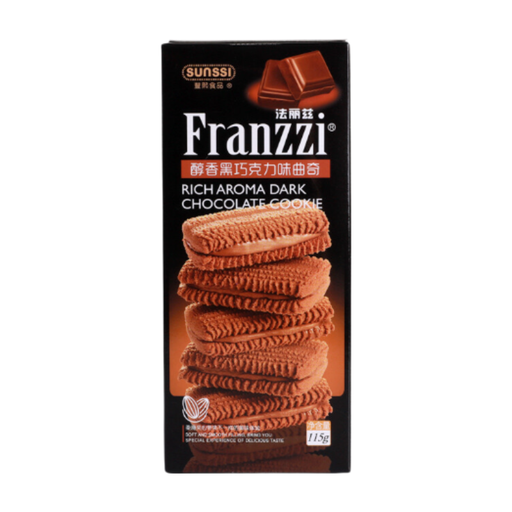 No image available
For anyone looking for a dark chocolate-flavoured cookie to take to school. Check the pack for portioning details if you want to pack individual portions.
The product information lists wheat/gluten, milk and soya, and possible traces of egg and nuts. Read the current label and check what the school allows before packing the cookie.
If a specific proportion of dark chocolate, cocoa content or sugar content matters to you, compare the relevant information on the physical label.
No. Jumbo and Albert Heijn’s product pages list 26.6 to 36 g of sugars per 100 g for the dark chocolate options discussed here. Read the nutritional information and compare it with the amount you’ll actually pack.
For the dark chocolate biscuits discussed here, check the current label for wheat, milk and soya at the very least. LU Scholiertje puur also carries a warning about possible nuts. Read the full allergen information for every product you choose and take the school’s rules into account.
There isn’t one answer that applies to every school. The Netherlands Nutrition Centre advises parents to ask whether the school has a food policy and what it says. Check the rules at the relevant school before packing anything.
Follow the storage instructions on the pack you choose. Jumbo says to reseal the pack of its Digestive Biscuit Pure Chocolade tightly after opening and store it in a dark place; McVitie's Digestives Pure Chocolade should be stored in a cool, dry place.