
If you’re looking for a recognisable dark chocolate flavour
You want to serve chocolate biscuits alongside savoury drinks snacks. In that case, it’s important not to mistake a dark chocolate coating or chunks for a confirmed cocoa percentage.


Choose a biscuit with a specified dark chocolate component if chocolate is to take centre stage on your drinks platter. A chocolate-coated biscuit, a cookie with chocolate chunks and a digestive differ in shape and texture. For none of these examples does the stated chocolate content tell you how much cocoa the chocolate contains. If a verifiably high cocoa content is essential, check the cocoa percentage on the packaging.
You want to serve chocolate biscuits alongside savoury drinks snacks. In that case, it’s important not to mistake a dark chocolate coating or chunks for a confirmed cocoa percentage.
You’re choosing between smaller coated biscuits, cookies with chunks and digestives. Consider the shape and texture, especially if guests will be eating them while standing.
You’re serving guests for whom ingredients and possible cross-contamination matter. Check the allergen information for every variety you buy, and keep the packaging to hand.
First decide whether you need a confirmed cocoa percentage. Then choose a shape that suits the way you’ll serve the biscuits, and check the packaging for allergen information and quantity.
| What to consider | What to check when buying | Who it matters to |
|---|---|---|
| Chocolate and cocoa | Compare the proportion of dark chocolate or chocolate chunks, and check separately whether a cocoa percentage is stated. Use the nutritional information per 100 g if you also want to compare sugars. | If chocolate flavour is my priority, I want to know exactly what a percentage refers to. For around 36% of consumers, this need for clarity about chocolate and cocoa is the most important consideration. |
| Shape and texture | See whether a coated biscuit, a cookie with chunks or a digestive suits the portion size and serving style you have in mind. | For my drinks platter, I’m looking for a biscuit guests can easily pick up that also adds variety alongside the savoury snacks. Shape and texture are the deciding factors for around 29% of consumers. |
| Allergens | Read the current ingredients and allergen information, including any warnings about possible cross-contamination, on every pack you buy. | When guests have different allergies, I need to be able to check what’s in each biscuit and which warnings apply. This check is the top priority for an estimated 21% of consumers. |
| Quantity and availability | Compare pack weight and, where stated, the number of biscuits or portions. Check that your chosen variety is available when you need it. | For a larger group, I want to put out enough biscuits without having to rely on a different pack. This practical planning is the priority for around 14% of consumers. |
Albert Heijn states that its sugar-coated biscuits have a 27% dark chocolate coating. Jumbo lists 40% dark chocolate chunks in its cookies and 30% dark chocolate in its digestive. These percentages describe the proportion of the product, not the cocoa percentage of the chocolate.
Check the cocoa percentage of the chocolate used on the packaging if it will affect your choice. If no percentage is stated, you can still compare these biscuits by chocolate type, shape and nutritional information, but you can’t rank them by a confirmed high cocoa content.
The varieties discussed contain allergens or list possible cross-contamination. Once the biscuits are mixed together loose, it’s harder for guests to tell which pack relates to which biscuit.
Before serving, check the current allergen information for each variety, keep the packaging and separate biscuits if their allergen information differs.
The packs discussed have different weights, so one pack of a particular variety won’t necessarily contain the same amount of biscuits as one pack of another.
Check the weight and the stated number of biscuits or portions before deciding how many packs you’ll need for your guests.
Albert Heijn describes a sugar-coated biscuit with a dark chocolate coating. The pack reviewed contains 400 g, and the coating makes up 27% of the product.
The Jumbo product information discussed here includes both a cookie with dark chocolate chunks and a digestive with dark chocolate.
Lotus Bakeries describes Biscoff as a crunchy, caramelised biscuit.
ALDI Netherlands describes a Biscotto pack of 20 chocolate biscuits, with dark, white and milk chocolate varieties.
According to their product names, these biscuits have a dark chocolate flavour. Choose based on the pack and how you want to serve them, but don’t rely on the flavour description alone if you’re looking for a biscuit made with dark chocolate or one with a confirmed cocoa percentage.
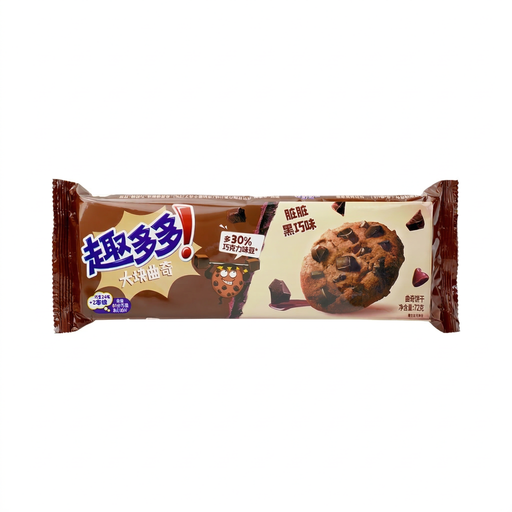 Image unavailable
A pack to consider if you want to put dark chocolate-flavoured cookies on your platter. Check the label if the cocoa percentage, chocolate content or allergen information will affect your choice.
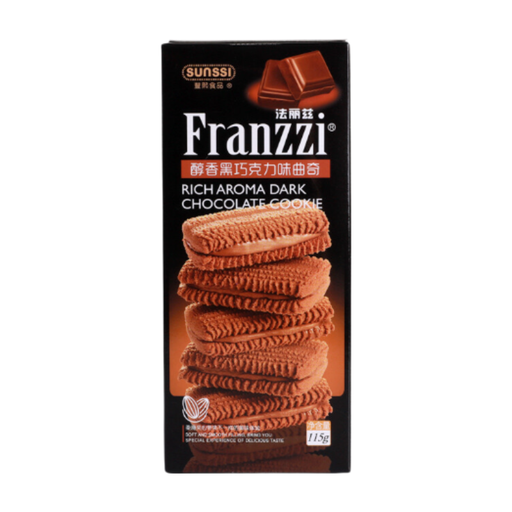 Image unavailable
An option if you’re looking for dark chocolate-flavoured cookies and the 115 g pack suits your platter. If you want to serve the cookies individually or compare sugar content, check the packaging and the current nutritional information per 100 g.
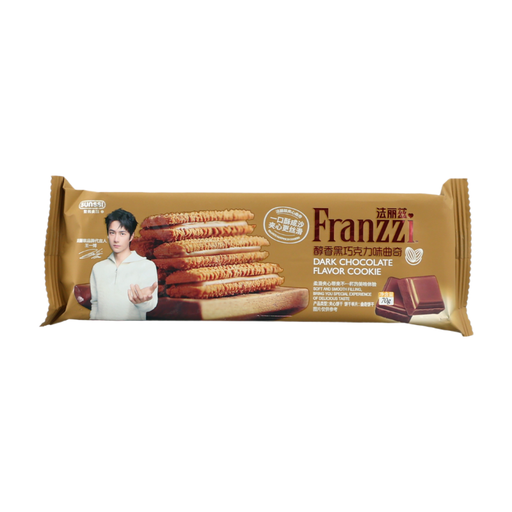 Image unavailable
A 70 g pack to consider when you want to serve a small amount of dark chocolate-flavoured biscuits. Check the current packaging for the chocolate content, cocoa percentage and allergen information if your guests need these details.
No. For Jumbo Digestive, 30% dark chocolate describes the proportion of chocolate in the product; it isn’t the cocoa percentage of that chocolate. Check the packaging for a separate cocoa percentage.
Choose varieties only after checking the current ingredients, allergens and warnings about possible cross-contamination on each pack. Keep the packaging available, and don’t mix loose biscuits with different allergen information.
Seal the pack well after opening and follow the storage instructions for the product you’ve bought. For the biscuits discussed here, Albert Heijn recommends storing them in a closed tin; check the instructions on the packaging for other varieties.
Check the packaging for the specific variety. Lidl Netherlands says it doesn’t provide an online list of ingredients, allergens and nutritional values for its food products. You can also contact Lidl with the item or barcode number to ask for information.