
Anyone who regularly tops up the office biscuit tin
If the tin is shared regularly, pack size and the number of stated servings are important. A small pack may need topping up more often.


If the biscuit tin needs topping up regularly, a larger pack of biscuits or digestives with a clearly stated dark chocolate layer could be a good choice. If you’re looking for a more pronounced chocolate flavour, consider a smaller biscuit with a higher stated proportion of dark chocolate. Check what the percentage refers to, and if the tin is shared, check the pack for allergens and storage instructions.
If the tin is shared regularly, pack size and the number of stated servings are important. A small pack may need topping up more often.
Look beyond the word ‘dark’: the product description may state how much dark chocolate the biscuit or its coating contains. This is different from the cocoa content of the chocolate itself.
For a shared tin, check the current label on each product you choose. Look at both the listed ingredients and any warnings about the possible presence of allergens.
Decide what matters most for your shared biscuit tin: chocolate flavour, a plentiful supply, allergens or how to store opened biscuits.
| What to consider | What to check when buying | Who it matters to |
|---|---|---|
| Chocolate flavour | Check whether a percentage refers to the chocolate coating, the amount of chocolate in the biscuit or the cocoa content of that chocolate. | If dark chocolate flavour is my top priority, I want to know exactly what the label says about the chocolate. Around 31% of consumers say this is their main priority. |
| Stock and servings | Compare the net weight and, where stated, the number of biscuits or servings. | If lots of colleagues are taking biscuits from the same tin, I don’t want to keep opening a new pack. Having enough in stock is the top priority for around 25% of consumers. |
| Allergens | Check the ingredients and both ‘contains’ and ‘may contain’ statements on the current packaging every time you buy. | If I’m buying for colleagues with food allergies, I need to be able to assess whether the exact product is suitable for them. This is the main concern for around 25% of consumers. |
| Storage after opening | Read the product-specific storage instructions and use an airtight tin in a cool, dry, dark place. | If biscuits are left in the tin between coffee breaks, I want to stop them going soft or stale. This is the top priority for around 19% of consumers. |
Albert Heijn states that AH Gesuikerde biscuits have a 27% dark chocolate coating, while AH Zaans huisje contains 63% dark chocolate. These descriptions do not necessarily refer to the same part of the product.
Read the full product description and ingredients list before comparing percentages or expected flavour.
A smaller biscuit may work as an occasional top-up for the tin, but a small pack will run out sooner when it’s shared among a busy office.
Choose a pack size to suit how often the tin is used, and check how many servings or biscuits the pack contains.
Allergens and warnings vary by biscuit and pack. A general description such as ‘dark chocolate’ says nothing about whether a product is suitable for someone with an allergy.
Check the current label on the exact product, and don’t describe the contents as allergen-free unless you have product-specific evidence.
A tin that’s often left open or doesn’t close properly won’t help keep opened biscuits crisp.
The Netherlands Nutrition Centre advises storing biscuits in a cool, dry, dark place in a tightly sealed container. Follow any stricter instructions on the product packaging.
The own-brand range includes both a larger biscuit with a dark chocolate coating and a smaller butter biscuit with dark chocolate.
The own-brand range includes a digestive biscuit with dark chocolate and a smaller chocolate biscuit. They’re different options for a shared tin.
Lotus Biscoff Speculoos is an option to enjoy with coffee, but the standard version isn’t a dark chocolate biscuit.
Lidl’s own-brand range includes Sondey Digestives pure chocolade.
Choceur and Moser Roth are relevant here as dark chocolate brands, not as reviewed chocolate biscuits.
These products range from a larger pack of dark chocolate digestives to smaller biscuits described as having a dark chocolate flavour. For the smaller biscuits, check the chocolate description if a stated proportion of dark chocolate is essential.
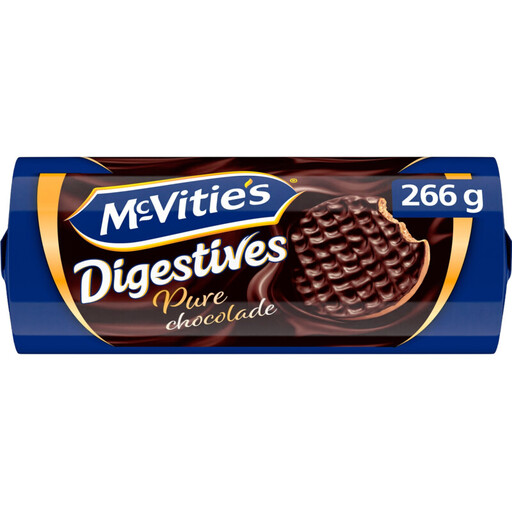 Image unavailable
The 266 g pack is an option for topping up a shared tin. Check the current label to see how many biscuits the pack contains and which allergens are listed.
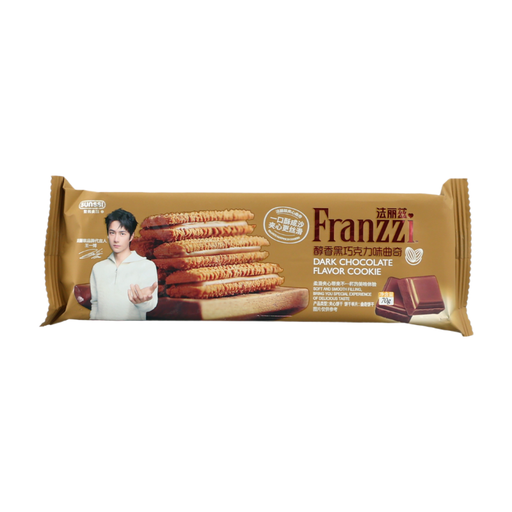 Image unavailable
This 70 g pack is better suited to a small top-up than to a tin that gets used often. ‘Dark chocolate flavour’ doesn’t in itself indicate a chocolate or cocoa percentage, so check the label and allergens.
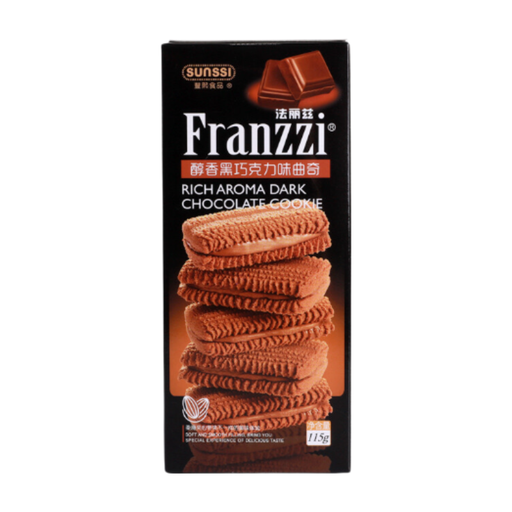 Image unavailable
These 115 g biscuits are a smaller option for the tin. Check the chocolate description if a particular proportion of dark chocolate matters to you, and follow the storage instructions on the pack after opening.
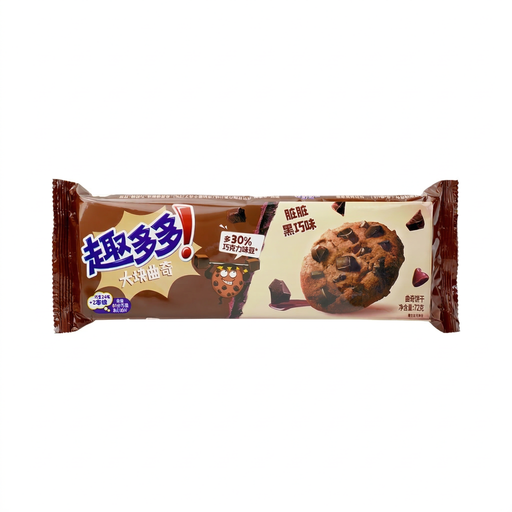 Image unavailable
The 72 g pack is suited to a small top-up. The description ‘dark chocolate flavour’ doesn’t confirm that any chocolate pieces are made with dark chocolate. Check the ingredients and allergens before sharing the biscuits.
Check what percentage of dark chocolate the product description states and what it refers to. For AH Zaans huisje, Albert Heijn states 63% dark chocolate; for AH Gesuikerde biscuits, it states a 27% dark chocolate coating. Check the ingredients too, as these percentages don’t necessarily describe the same part of the biscuit.
Don’t assume so based on the type of chocolate. The biscuits described may contain ingredients such as wheat, milk and soya. Check the current packaging of the exact product for each colleague, including warnings about the possible presence of allergens.
Store them in a cool, dry, dark place in a tightly sealed container, as recommended for biscuits by the Netherlands Nutrition Centre. Check the product packaging too, as it may give more specific or stricter advice for storage after opening.