If you want the chocolate flavour to take centre stage, choose a biscuit that clearly states its dark chocolate content. If you’re after a particular biscuit texture, try a cookie with chocolate chips. For a regular snack cupboard, compare serving sizes, nutritional values per 100 g and allergens too: the word ‘dark’ on its own doesn’t tell you what goes into the whole biscuit.
Who are these biscuits for?
Fans of a bold dark chocolate flavour
If you prefer a less milky chocolate flavour, check whether the label states the dark chocolate content or a cocoa percentage. Make sure you know what the percentage refers to: the chocolate or the whole biscuit.
Shoppers who plan their snacks by portion
For regular coffee, tea or snack breaks, it’s useful to compare the number of biscuits, the grams per serving and the storage instructions after opening.
Shoppers who compare labels carefully
If you have an allergy or other dietary requirement, pay close attention to the ingredients and statements such as ‘contains’ and ‘may contain’. Compare sugars, fat and fibre per 100 g first, as recommended by the Netherlands Nutrition Centre.
What should you look for when choosing?
First decide whether you’re mainly looking for a chocolate flavour, handy portions or a particular type of biscuit. Then compare the labels of products that meet your needs.
| What to consider |
What to check when buying |
Who it matters to |
| Chocolate flavour and percentage |
Check whether a percentage refers to the cocoa, the chocolate component or the whole biscuit. A dark-sounding flavour name isn’t a cocoa percentage. |
If you’re after a bold chocolate flavour, don’t rely on the word ‘dark’ alone. Around 33% of consumers put this flavour preference first. |
| Portions and storage |
Compare pack weight, grams per serving and the storage instructions after opening. |
If I’m planning regular snack breaks, I want to know how many biscuits I can serve at a time and how to store the rest. For around 27% of consumers, planning their supplies matters most. |
| Nutritional value |
Compare sugars, saturated fat, fibre and energy per 100 g, then check the values per serving. |
If nutritional values determine my choice, I want to compare products on the same basis. This is the top priority for around 20% of consumers. |
| Allergens and ingredients |
Check the current packaging for both ‘contains’ and ‘may contain’ statements, and read the full ingredients list. |
If I need to avoid an allergen, I need the information for the exact product I’ve chosen. Around 20% of consumers give this check the highest priority. |
Common pitfalls
-
Assuming ‘dark’ means ‘low in sugar’
The type of chocolate doesn’t determine the nutritional value of the whole biscuit. For example, Albert Heijn lists 37 g of sugars and 16 g of saturated fat per 100 g for AH Zaans huisje dark chocolate.
Compare the nutritional information per 100 g, then choose the portion you want to serve.
-
Treating different chocolate percentages as the same
A percentage for chocolate chips isn’t the same as the cocoa percentage of those chips. A chocolate coating and a biscuit with a chocolate filling are different products too.
Check which part the percentage describes and compare biscuits with a similar composition.
-
Comparing nutritional values per serving only
A smaller stated serving gives you different figures, but doesn’t change the composition of the biscuit. For example, Jumbo lists a 13 g serving for Chocolettes Puur and an 18.75 g serving for Chocolate Cookies.
Compare products per 100 g first, then use the serving weight to plan a snack break.
-
Using an online ingredients list as your final check
If you need to avoid allergens, check the information on the packaging of the product you’ve chosen. Product information and recipes can change.
Read the current packaging before use, including the ‘contains’ and ‘may contain’ statements. If you’re unsure, ask for information about the specific product.
Brands to consider
Albert Heijn
AH Zaans huisje combines a butter biscuit with a stated 63% dark chocolate content, according to Albert Heijn.
- The stated chocolate content makes it clear how much of this product is dark chocolate.
- This product contains milk, gluten-containing cereals and soya, among other ingredients. Check the current packaging for allergens and possible traces too.
Jumbo
The Jumbo products reviewed include a cookie with dark chocolate chips and a smaller biscuit with dark chocolate.
- Jumbo states that Chocolate Cookies contain 40% dark chocolate chips and gives a 13 g serving size for Chocolettes Puur.
- Both examples contain wheat or gluten-containing cereals. Check the other allergens and nutritional values for each variety too.
Lotus Biscoff
Lotus Bakeries describes a speculoos biscuit with dark chocolate, packaged as 7 × 3 pieces.
- The product specification states 22% chocolate, making it easy to compare this with the content of other biscuits.
- It’s still a speculoos biscuit with chocolate, rather than a biscuit focused solely on a high cocoa content. The specification lists gluten, soya and milk.
LU
According to the product information, LU Scholiertje Puur consists of 52% butter biscuit and 48% dark chocolate, with two biscuits per serving.
- The proportions of biscuit and chocolate, as well as the serving size, are clearly stated.
- The product contains milk, soya and wheat, and may contain nuts. Check the current allergen information before use.
McVitie's
According to the product information, McVitie's Digestives Pure Chocolade has a wheat biscuit base containing 9% wholemeal wheat flour, topped with a 30% layer of dark chocolate.
- For this variety, Jumbo lists 4.3 g of fibre and 26.6 g of sugars per 100 g, making it useful for comparisons on the same weight basis.
- The product contains milk, soya and wheat. The name ‘Digestives’ isn’t a reason to attribute any health benefits to the biscuit.
Biscuits at Joybuy
These biscuits are a good fit for a cupboard stocked with dark chocolate flavours; the Bourbon variety combines dark chocolate with matcha. A description such as ‘dark chocolate flavour’ doesn’t in itself confirm a high cocoa content, so check this separately if it matters to your choice.
 No image available
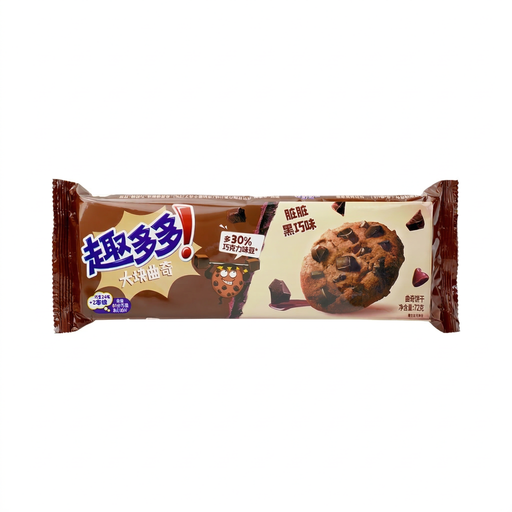
quduoduo Chunky Cookies Dark Chocolate Flavour, 72 g
An option to consider if you’re looking for chunky cookies with a dark chocolate flavour. Check the cocoa content and nutritional information on the packaging, and bear in mind that the product contains wheat, soya and milk when checking allergens.
View at Joybuy
 No image available
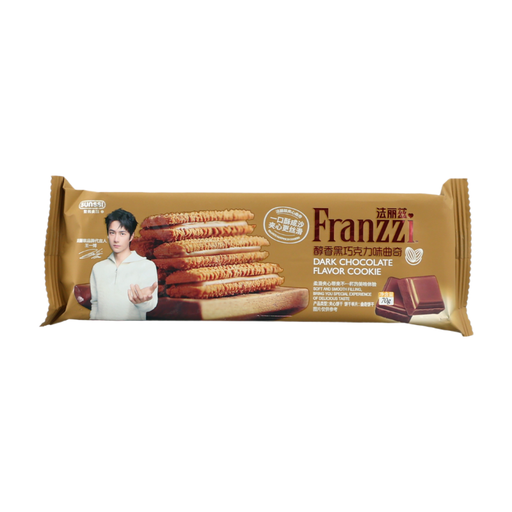
Franzzi Premium Dark Chocolate Flavour Cookies, 70 g
A dark chocolate-flavoured biscuit to consider for individual snack breaks. For a comparison of cocoa, sugars and saturated fat, check the label. Also look out for wheat, milk, eggs and any soya information.
View at Joybuy
 No image available
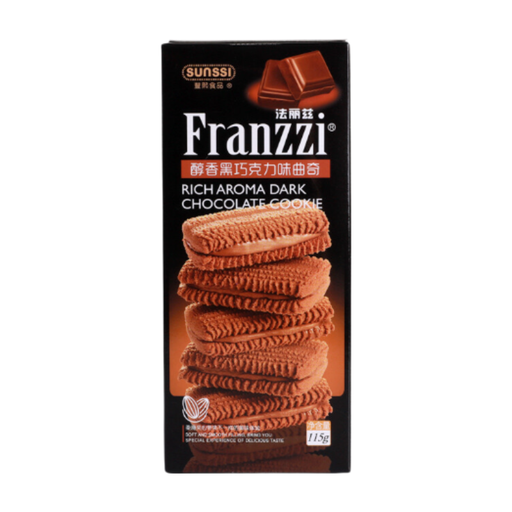
Franzzi Mellow Dark Chocolate Flavoured Cookies, 115 g
A good fit if you’re looking for dark chocolate-flavoured biscuits for individual snack breaks. Check the nutritional table on the packaging before comparing sugars or saturated fat, and read the statements for wheat, soya and milk too.
View at Joybuy
 No image available
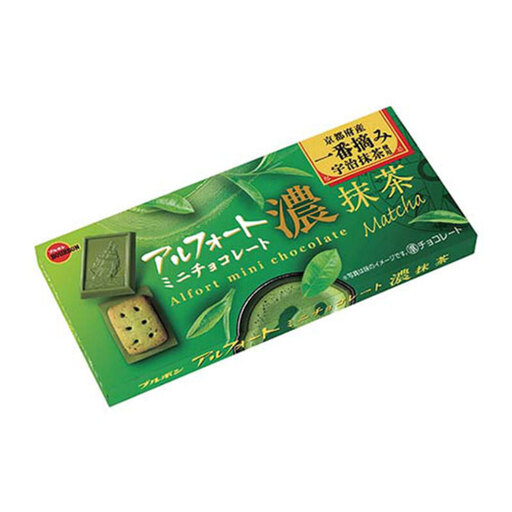
Bourbon Alfort Mini Chocolate Dark Matcha, 12 stuks, 60 g
A mini biscuit with dark chocolate and matcha for anyone who enjoys that flavour combination. Check the ingredients, allergens and nutritional information on the packaging before buying.
View at Joybuy
Frequently asked questions
Does every biscuit labelled ‘dark chocolate’ have a high cocoa content?
No, that description doesn’t tell you how much cocoa the whole biscuit contains. Look for a stated percentage on the label and check whether it refers to the chocolate component or the whole product.
How do I compare biscuits with different serving sizes?
Compare the nutritional values per 100 g first, as recommended by the Netherlands Nutrition Centre. Then check the weight of a stated serving to plan your own snack break.
Are dark chocolate biscuits dairy-free or gluten-free?
You can’t tell from the type of chocolate. For example, LU Scholiertje Puur lists milk and wheat. Check the current packaging of each product you choose for ingredients and ‘contains’ and ‘may contain’ statements.
How should I store opened biscuits for my snack cupboard?
Follow the storage instructions for the specific product and reseal the packaging after opening as directed. For the biscuits reviewed, Jumbo advises keeping the pack tightly closed; Albert Heijn recommends storing AH Zaans huisje in a sealed tin.
What should I do if a product’s ingredients aren’t listed online?
Check the packaging before choosing or using the product, especially if allergens are a concern. For product-specific questions, Lidl Netherlands also refers customers to the number sequence beneath the barcode.


