
Fans of dark chocolate flavour
You’re looking for a New Year biscuit where dark chocolate takes centre stage. Compare the ingredients and the proportion of dark chocolate in the biscuit, as well as the cocoa percentage of the chocolate, if stated.


For New Year, choose a biscuit that suits how you plan to serve it: a chocolate-chip cookie on a platter, a chocolate-coated biscuit with coffee or tea, or smaller or individually wrapped biscuits to hand round. If you’re after a pronounced dark chocolate flavour, check the ingredients and any stated cocoa percentage. The proportion of dark chocolate in a biscuit is not the same as the cocoa percentage of that chocolate. If you’re buying for guests, check the allergens on the packaging too.
You’re looking for a New Year biscuit where dark chocolate takes centre stage. Compare the ingredients and the proportion of dark chocolate in the biscuit, as well as the cocoa percentage of the chocolate, if stated.
You want to put biscuits out without having to cut them up or portion them in advance. Small biscuits and packs with individually wrapped portions are worth considering.
You’re buying for guests with different dietary needs. Check the ingredients, highlighted allergens and any cross-contamination warnings on each pack. The description ‘dark chocolate’ isn’t enough on its own.
First, decide whether dark chocolate flavour, ease of sharing or allergen information matters most for your group. Then compare the biscuit shape and packaging.
| What to consider | What to check before buying | Who it matters to |
|---|---|---|
| Dark chocolate flavour | Compare the ingredients and the proportion of dark chocolate. Check separately whether the cocoa percentage of that chocolate is stated. | I want to choose a biscuit for its dark chocolate flavour, not just because the word ‘dark’ appears on the front. Around 50% of consumers would consider flavour and composition first. |
| Ease of sharing | Check the number of biscuits or portions, the type of packaging and whether you want to serve a biscuit, a soft cookie or a small biscuit. | For a platter that guests can help themselves to, I want to know how many pieces I can put out and whether they’re individually wrapped. This would be the first consideration for around 30% of consumers. |
| Allergens | Read the current ingredients and allergen information on the packaging, including any ‘may contain’ warnings. | If a guest has a known allergy or intolerance, I want to be able to check whether this particular biscuit is suitable before serving it. This check would come first for around 20% of consumers. |
The percentage of dark chocolate in the whole biscuit tells you something different from the cocoa percentage of that chocolate. For example, Jumbo lists 40% dark chocolate chunks in its Chocolate Cookies; this doesn’t tell you the cocoa percentage of the chunks.
Compare the two percentages only if they’re both listed separately on the packaging or product page. Otherwise, use the ingredients list and chocolate content as a limited guide when choosing, not as proof of a high cocoa content.
A biscuit may contain milk ingredients as well as dark chocolate, or carry a warning about nuts. According to Jumbo’s product information, LU Scholiertje Puur contains milk ingredients and may contain nuts.
For each guest, check the current packaging for allergens and ‘may contain’ warnings. Don’t rely on the type of chocolate or a previous purchase.
According to Albert Heijn, AH Soft chocolate cookies combine milk, dark and white chocolate. Biscotto’s chocolate biscuits also combine several types of chocolate, according to ALDI.
Check which types of chocolate the biscuit contains. Choose a mix if you want variety, but don’t treat it as if it contains only dark chocolate.
Ingredients, nutritional information and allergen information can change when a product is updated, as Albert Heijn notes in its product information.
Use the online description to compare biscuits, then check the packaging before buying and serving. Check the best-before date and storage instructions too.
The own-brand range includes chocolate-chip cookies, biscuits coated in dark chocolate and small biscuits with chocolate chunks.
Worth considering if you’re also looking at soft cookies with a mix of chocolate types.
LU Scholiertje Puur is a chocolate-coated biscuit to consider with coffee or tea.
A Lidl own brand with various types of biscuits and cookies.
An ALDI own brand offering individually wrapped chocolate biscuits.
A crunchy biscuit with a caramelised flavour, according to the description from Lotus Bakeries.
These biscuits include one to enjoy with coffee or tea and cookies whose names suggest a dark chocolate flavour. If you’re specifically looking for dark chocolate with a particular cocoa percentage, check the ingredients and packaging for each product; the flavour name alone doesn’t confirm this.
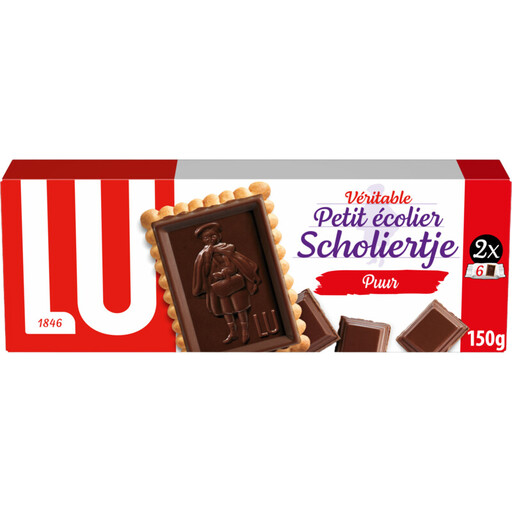 Image unavailable
An option if you’d like to serve biscuits with coffee or tea. Check the packaging for this product to see what type of chocolate it contains, its cocoa percentage if that’s important to you, and the allergens.
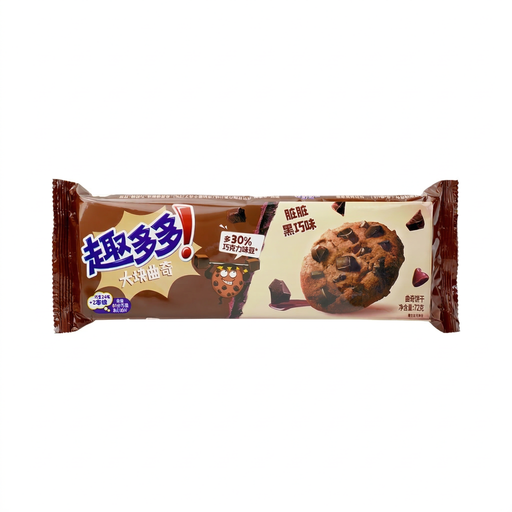 Image unavailable
One to consider if you’re looking for a dark chocolate flavour for your biscuit platter. ‘Dark Chocolate Flavour’ describes the taste; check the ingredients if the type of chocolate or cocoa percentage matters to you.
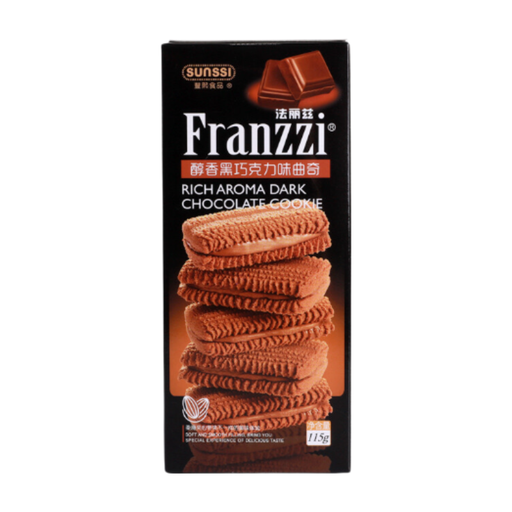 Image unavailable
An option if you’d like to hand round biscuits with a dark chocolate flavour. Check the packaging to see which ingredients provide that flavour and whether the allergen information is suitable for your guests.
No. That description alone doesn’t tell you a specific cocoa percentage. For its Chocolate Cookies, Digestive Biscuit Pure Chocolade and LU Scholiertje Puur, Jumbo lists the proportion of chocolate in the biscuit as a whole. Check separately whether the packaging states the cocoa percentage of the chocolate used.
Read the ingredients list and allergen information on the current packaging of each product. According to Your Europe, allergens in prepacked foods must be highlighted in the ingredients list. Check for any ‘may contain’ warnings too, and choose according to the allergens that are relevant to your guests.
No. According to Jumbo’s product information, LU Scholiertje Puur contains milk ingredients, while Jumbo’s Digestive Biscuit Pure Chocolade lists milk fat. So check the ingredients of the specific biscuit, not just the word ‘dark’ in its name.
Follow the storage instructions on the packaging of the biscuits you’ve bought. For its Mini Koekjes Choco Chip met Pure Chocolade, Jumbo recommends a cool, dry, dark place. If the pack is open, check whether it includes any further instructions.