
Host serving biscuits to adults
You want to offer a darker chocolate flavour alongside the children’s treats. Look for a clearly stated cocoa percentage; the word ‘dark’ on the front of the pack is not enough on its own.


For a treat at school or an after-school club, small portions, allergens and the venue’s rules matter more than an intensely dark chocolate flavour aimed at adults. If you also want to serve biscuits with a high cocoa content, check the cocoa percentage of the chocolate on the current packaging: the word ‘dark’ and the proportion of chocolate in a biscuit do not tell you what that percentage is.
You want to offer a darker chocolate flavour alongside the children’s treats. Look for a clearly stated cocoa percentage; the word ‘dark’ on the front of the pack is not enough on its own.
You want to decide in advance how much each child will get. The number of biscuits in a pack and the rules at the party venue can help you choose a suitable portion.
Before buying, ask about allergies and the rules at the school or after-school club. Then check the ingredients and any warnings on the packaging of each variety.
First, decide where the biscuits will be eaten and whether they’re for children, adults or both. Then compare the portion packaging and the information about chocolate and allergens.
| What to consider | What to check when buying | Who it matters to |
|---|---|---|
| Dark chocolate flavour | Look for the cocoa percentage of the chocolate used. The percentage of chocolate or chocolate pieces in the biscuit is something different. | When I’m looking for an intense dark chocolate flavour for adults, I want to know more than that a biscuit is called ‘dark’. For around 42% of consumers, flavour is the main consideration. |
| Portions and handing out | Compare the number of biscuits and how they’re arranged in the pack; decide how many you want to give each child. | If I want to give every child a small treat, the biscuits need to be easy to divide up. Around 33% of consumers prioritise portion size and ease of handing them out. |
| Allergens and venue rules | Ask about allergies and the rules at the school or after-school club. Read the ingredients and any ‘may contain’ warnings on the current label. | For a group that includes children with allergies, or a party at school, I want to know in advance what I can hand out. This check is the top priority for around 25% of consumers. |
A description such as ‘48% dark chocolate’ may refer to the proportion of chocolate in the biscuit, without giving the cocoa percentage of that chocolate. So you can’t use it to work out which biscuit has the darkest flavour profile.
If a high cocoa content is essential, look for a clearly stated cocoa percentage on the current packaging or product page.
With a shared pack, you’ll need to put the portions together yourself. The Netherlands Nutrition Centre suggests a small biscuit as one option for a treat if you’re choosing biscuits.
Count the children in advance and compare dividing up the biscuits yourself with packs that are already arranged in smaller portions.
‘Dark chocolate’ doesn’t mean a biscuit is free from milk, wheat or soya. Some varieties also carry a warning that they may contain nuts.
Ask which allergies you need to consider, check the label of the variety you choose and discuss a suitable alternative if necessary.
Ingredients and allergy information can change. Albert Heijn also points this out in its product information.
Compare products online before you buy, but check the packaging you’ll actually be using just before handing out the biscuits.
According to Jumbo’s product information, LU Scholiertje Puur comes in twin packs and consists of 52% butter biscuit and 48% dark chocolate.
Jumbo sells Chocolate Cookies with dark chocolate pieces, as well as smaller Chocolettes Puur.
AH Digestive Puur comes in a 300 g pack and, according to Albert Heijn, contains 30% dark chocolate, with nutritional information given per 17 g portion.
Lotus Bakeries Nederland lists Original Speculoos with dark chocolate in a pack of 7 × 3 biscuits.
According to Albert Heijn’s product information, Verkade Chocolate Chip Melk & Puur combines milk and dark chocolate pieces.
If you’d like to serve biscuits with a dark chocolate flavour alongside the children’s treats, this is one product to consider. Don’t choose it solely on the basis of its flavour description if you’re looking for a verifiably high cocoa content.
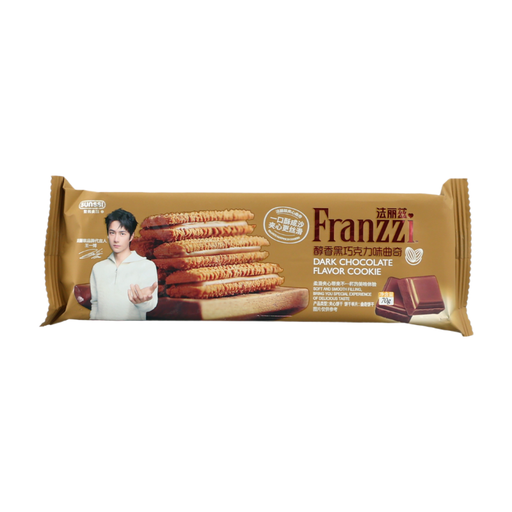 Image unavailable
A biscuit option with a dark chocolate flavour to serve alongside the children’s treats. Check the cocoa percentage on the packaging if you specifically want a high cocoa content. According to the product information, this product contains wheat, milk and egg; it may contain soya. Check the current label before handing them out.
No, that description doesn’t give you a cocoa percentage on its own. Product information from retailers such as Jumbo and Albert Heijn sometimes states the proportion of dark chocolate in the biscuit. If it affects your choice, look for a clearly stated cocoa percentage for the chocolate used.
Ask in advance which treats the school or after-school club allows. The Netherlands Nutrition Centre highlights the importance of following the venue’s rules; choose a portion and product only after checking.
Check the ingredients and any ‘may contain’ warnings on the current packaging of the variety you’ve chosen. First ask which allergies are relevant to the group; the Netherlands Food and Consumer Product Safety Authority explains which allergens must be listed on labels.
Start with the venue’s rules and the number of children. The Netherlands Nutrition Centre suggests a small biscuit as one option for a treat. Then check how many biscuits are in a pack and how many you want to give each child.
Follow the storage instructions on the packaging you buy. Jumbo advises sealing its Chocolate Cookies pack well after opening; for AH Digestive Puur, Albert Heijn recommends a sealed tin and a cool, dark, dry place.