Who are these biscuits for?

Anyone who wants dark chocolate on the Easter table

You’re looking for a biscuit that explicitly contains dark chocolate. If a high cocoa content matters to you, check the pack separately: the proportion of chocolate in the biscuit doesn’t tell you this.

Anyone sharing biscuits with others

For coffee, tea and a shared Easter platter, the number of biscuits, individual wrapping and storage instructions all matter. A large pack and biscuits wrapped in pairs offer different ways to serve them.

Anyone keeping allergens in mind

If your guests need to avoid certain ingredients, check the current ingredients list and allergen information for each product you choose. The words ‘dark chocolate’ are no substitute for this check.

What should you look for when choosing?

First decide whether the type of chocolate, how you’ll serve the biscuits or checking for allergens is the priority for your Easter table. Then compare suitable packs: the proportion of chocolate, cocoa percentage and nutritional information each tell you something different.

What to consider What to check when buying Who is this most important for?
Dark chocolate Check which type of chocolate is listed. Treat the proportion of chocolate in the biscuit separately from any cocoa percentage stated for the chocolate. I want to choose a biscuit with dark chocolate for my Easter table, but I don’t want to assume that the cocoa content is high just because it says ‘dark’. For around 33% of consumers, this question about chocolate comes first.
Portions and presentation Compare the weight, number of biscuits, any individual packs and the storage instructions after opening. If I’m serving biscuits with coffee and tea, I want to know whether a large platter or smaller portions would be more convenient. Ease of serving matters most to around 25% of consumers.
Allergens Check the ingredients and allergen information on the pack of your chosen product shortly before buying and serving. When I’m buying for guests with a food allergy, I need to know whether this particular biscuit is suitable for them before adding it to the platter. This check comes first for around 42% of consumers.

Common mistakes

  • Mistaking the proportion of chocolate for the cocoa percentage

    Jumbo states that Chocolade Biscuits Puur contains 63% chocolate in the product; Albert Heijn states that LU Scholiertje Puur contains 48% dark chocolate. Neither figure tells you, on its own, how much cocoa the chocolate contains.

    If it affects your choice, look for a separate cocoa percentage on the current pack. Use the proportion of chocolate only to compare the composition of the biscuits.

  • Assuming ‘dark’ means allergen-free

    The dark chocolate biscuits described here list ingredients including wheat or gluten, milk and soya; some varieties also mention possible nuts. This means the product name alone isn’t enough when putting together a shared platter.

    Check the allergen information on every pack again before buying and serving, especially if a guest needs to avoid an ingredient.

  • Choosing a mixed chocolate box for a platter of dark chocolate biscuits only

    ALDI’s Biscotto Chocoladekoekjes include biscuits with dark, white and milk chocolate. So a mixed selection won’t meet your needs if you want to serve only biscuits with dark chocolate.

    Choose the selection if you’re looking for variety, or check the type of chocolate in each specific variety if you want the whole platter to be dark chocolate.

  • Assuming a seasonal page means a product is available when you shop

    A page featuring Easter products shows you what types of items suit the season, but it doesn’t tell you whether a specific biscuit will be available when you do your shopping.

    Check your chosen variety shortly before Easter and read the label again; ingredients and packaging can change.

Brands to consider

Albert Heijn

The own-brand range includes a sugared biscuit with a dark chocolate coating, worth considering if you’re looking for a larger pack.

  • Albert Heijn states that this variety comes in a 400 g pack, with around 30 portions and a 27% dark chocolate coating.
  • The same product information mentions sugar decorations and 35 g of sugars per 100 g. Compare the nutritional information if you’re looking for a less sweet biscuit.

Jumbo

The own-brand range includes both Chocolade Biscuits Puur and a digestive biscuit with dark chocolate.

  • Jumbo states that Chocolade Biscuits Puur contains 63% chocolate and Digestive Biscuit Pure Chocolade contains 30% dark chocolate.
  • These percentages refer to the proportion of chocolate in the biscuits, not the cocoa content. Check the allergens for both varieties too.

Lotus Biscoff

Lotus Bakeries describes Biscoff as a crunchy biscuit with a caramelised flavour: a different option to enjoy with coffee alongside a dark chocolate biscuit.

  • The caramelised biscuit could be a good fit if you’d like to serve a different flavour alongside chocolate.
  • If you’re putting together a platter with dark chocolate biscuits only, choose a Biscoff variety only if the specific pack states that it contains dark chocolate.

Sondey

Lidl describes Sondey as a range that includes cookies and biscuits.

  • The range is a good place to start if you want to look at different types of biscuits.
  • Check each pack to see whether your chosen variety contains dark chocolate and whether a cocoa percentage is stated.

Biscotto

This ALDI own-brand range of Chocoladekoekjes is a mixed selection featuring different types of chocolate.

  • ALDI describes a pack of 20 biscuits, wrapped in pairs.
  • The selection includes dark, white and milk chocolate; it’s not a pack containing dark chocolate biscuits only.

Biscuits for your Easter table at Joybuy

These biscuits suit two ways of serving: a Scholiertje with coffee or tea, and digestives with dark chocolate for a shared platter. For both, check the current packaging if the cocoa content or an allergen affects your choice.
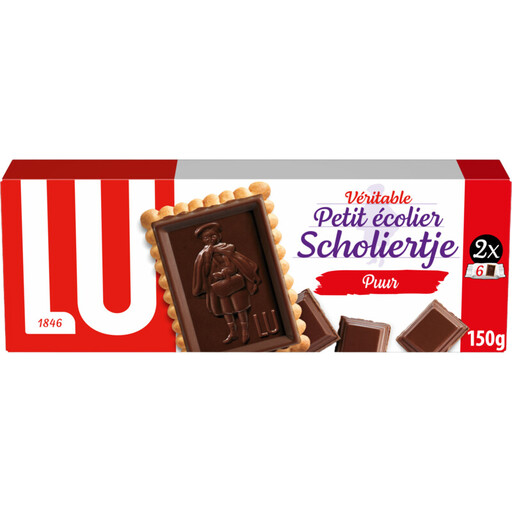
LU Scholiertje Chocolate, 150 g pack

LU Scholiertje Chocolate 150 g

A Scholiertje to serve with coffee or tea on your Easter table. The pack contains 150 g; if the type of chocolate or allergens matter to your guests, check the current label.

View at Joybuy
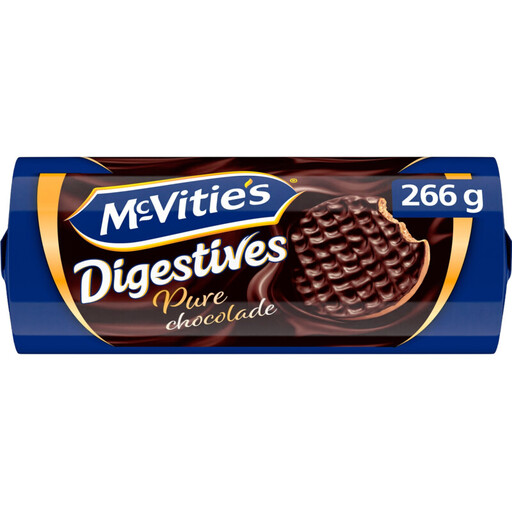
McVitie's Digestives with Dark Chocolate, 266 g pack

McVitie's Digestives with Dark Chocolate 266 g

A digestive with dark chocolate for anyone who wants to serve biscuits on a shared Easter platter. The pack contains 266 g; work out how many biscuits you’ll need and check the current label for allergens and any stated cocoa percentage.

View at Joybuy

Frequently asked questions

Does ‘dark’ on a biscuit mean the chocolate contains a lot of cocoa?

No. The word ‘dark’ or the proportion of chocolate in the biscuit doesn’t tell you a specific cocoa percentage. Product information from retailers including Jumbo and Albert Heijn gives the proportion of chocolate in the whole product; if it’s an important factor, look for a separate cocoa percentage on the current pack.

What should I look for if my guests need to avoid allergens?

Read the ingredients and allergen information on the current packaging of each biscuit. The varieties described here list ingredients including wheat or gluten, milk and soya, and some mention possible nuts. Dark chocolate on its own doesn’t tell you whether a biscuit is suitable for a guest with an allergy.

How should I store biscuits after opening the pack?

Follow the storage instructions on the pack you choose and reseal the rest after serving. The product information described by Albert Heijn and Jumbo recommends, among other things, storing biscuits in a cool, dry place. Put only the amount you want to serve on your Easter platter.

Can I count on a specific biscuit being available for Easter?

Check whether the specific variety is available when you do your Easter shopping. Albert Heijn features biscuits as part of its Easter range, but a seasonal category doesn’t confirm that every pack you choose will be available when you shop.
