Who might like these biscuits?

Fans of a pronounced cocoa flavour

If you want a biscuit with a pronounced dark chocolate flavour, look beyond the word ‘dark’. The proportion of chocolate in a biscuit doesn’t tell you how much cocoa that chocolate contains; for that, you need the chocolate’s cocoa percentage.

Anyone hosting an Easter brunch

If you’re putting out a platter to go with coffee or tea, the number of biscuits and portion sizes matter too. Individually wrapped biscuits, chocolate speculoos and a larger digestive offer different ways to put together your brunch table.

Anyone checking labels for guests

If you’re catering for a mixed group, you’ll want to check the ingredients, allergens and nutritional information for each product. The biscuits described here include ingredients such as wheat, milk and soya; always check the label on the pack you choose before serving.

What should you look for when choosing?

First, distinguish between the cocoa percentage of the chocolate and the proportion of chocolate in the whole biscuit. Then compare portions and labels for the people you’re sharing your Easter brunch with.

What to consider What should you check? Who is it important for?
Cocoa flavour Look for the chocolate’s cocoa percentage on the label. Don’t confuse it with the proportion of chocolate in the biscuit. If I’m looking for a pronounced dark chocolate flavour, I want to be able to see how much cocoa the chocolate contains. Around 40% of consumers say this is their main priority.
Sharing and serving Compare the number of biscuits, portion size and packaging with how you plan to serve them. If I’m putting out a platter with coffee or tea, I want to choose portions that suit my guests. This is the main priority for around 30% of consumers.
Label information Check the allergens and any ‘may contain’ warnings; if needed, compare sugars and saturated fats per 100 g and per portion. If guests need to avoid certain ingredients or I want to compare nutritional values, I start with the label. Around 30% of consumers make this their first check.

Common mistakes

  • Confusing the proportion of chocolate with its cocoa percentage

    Albert Heijn states that AH Zaans huisje contains 63% dark chocolate, while Jumbo says the same for its Chocolade Biscuits Puur. This figure describes the proportion of chocolate in the biscuit, not the cocoa percentage of that chocolate.

    If a specific cocoa content is essential, look for a separate cocoa percentage on the current packaging.

  • Assuming ‘dark’ tells you about allergens

    A biscuit with dark chocolate may also contain wheat, milk or soya. Some of the products described also carry warnings that they may contain traces of other allergens.

    If a guest has an allergy, check the allergen information and ‘may contain’ warning on the pack you choose.

  • Treating dark chocolate as a nutritional recommendation

    The word ‘dark’ on its own doesn’t tell you how the nutritional value of the whole biscuit compares with another biscuit.

    If you wish, compare the nutritional information and portion sizes of the products you’re considering rather than looking only at the type of chocolate.

  • Relying on an old product page as the definitive label

    Albert Heijn says that product information may change when a recipe is updated. This matters if your guests need to avoid certain ingredients.

    Just before serving, check the ingredients and allergens on the packaging you’re actually using.

Brands to consider

Albert Heijn

Albert Heijn offers, among other products, sweet biscuits with dark chocolate and AH Zaans huisje dark chocolate biscuits. The biscuit style and chocolate layer matter more than the brand name alone.

  • According to Albert Heijn, AH Zaans huisje contains 63% dark chocolate, and the pack lists nine 14 g portions.
  • If you’re choosing based on an exact cocoa content, check the chocolate’s percentage separately on the packaging. Zaans huisje contains ingredients including wheat, milk and soya.

Jumbo

Jumbo offers both Chocolade Biscuits Puur and a digestive with dark chocolate. Choose between them based on the biscuit style, packaging and proportion of chocolate.

  • According to Jumbo, Chocolade Biscuits Puur contains 63% chocolate, while Digestive Biscuit Pure Chocolade lists 30% dark chocolate.
  • The digestive’s 30% figure isn’t a cocoa percentage. Jumbo lists 27,4 g of sugars and 4,1 g of fibre per 100 g for this digestive; check the allergens on each pack.

Lotus Biscoff

Lotus Biscoff combines speculoos with dark chocolate. This is a different style of biscuit from one with a generous chocolate layer.

  • Lotus Bakeries lists a pack of 7 × 3 pieces for The Original Speculoos with dark chocolate.
  • The ingredients list 22% chocolate, not its cocoa percentage. The product contains wheat, milk and soya.

Verkade

Verkade Duo’tjes Chocolade are filled oat biscuits. Consider them if this biscuit style matters more to you than a generous layer of dark chocolate.

  • Verkade lists a 28% cream filling made with dark chocolate.
  • According to Verkade, the filling contains 2% dark chocolate. Don’t take this as proof that the biscuit has a high cocoa content.

ALDI

ALDI’s Biscotto chocolate biscuits offer a mixed chocolate selection, rather than a range of biscuits made specifically with dark chocolate.

  • ALDI describes butter biscuits with dark, white and milk chocolate, individually wrapped in pairs.
  • The mix of chocolate types doesn’t give a separate cocoa percentage for a dark chocolate biscuit.

Lidl

Lidl offers a range of biscuits and cookies under the Sondey brand. For your Easter brunch, assess a specific product rather than the range as a whole.

  • According to Lidl, the Sondey range includes several types of biscuits and cookies.
  • For the pack you choose, check that it really is a biscuit with dark chocolate and that it lists the cocoa percentage you’re looking for.

Biscuits on Joybuy

This selection includes a digestive with dark chocolate and biscuits described as having a dark chocolate flavour. Don’t take the product name as confirmation of a specific cocoa content; check the current packaging if that matters for your Easter brunch.
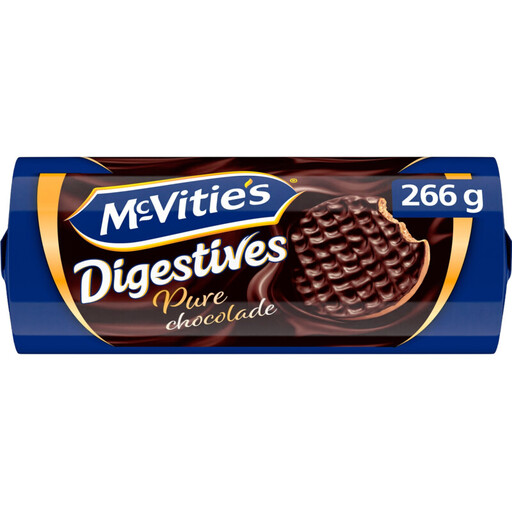
McVitie's Digestives with Dark Chocolate

McVitie's Digestives with Dark Chocolate

A digestive with dark chocolate to serve with coffee or tea.

Pack size: 266 g. Check the cocoa percentage and allergens on the label before offering the biscuits to your guests.

View on Joybuy
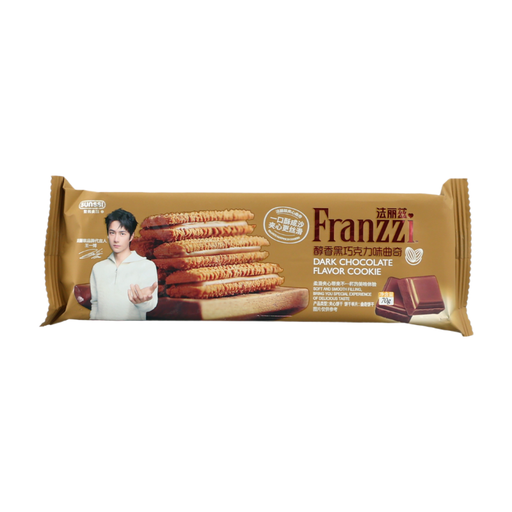
Franzzi Premium Dark Chocolate Flavour Cookies

Franzzi Premium Dark Chocolate Flavour Cookies

Biscuits described as having a dark chocolate flavour, worth considering if you’re looking for a small pack for your brunch.

Pack size: 70 g. The flavour description doesn’t confirm a specific cocoa content; check the label for this and for allergen information.

View on Joybuy
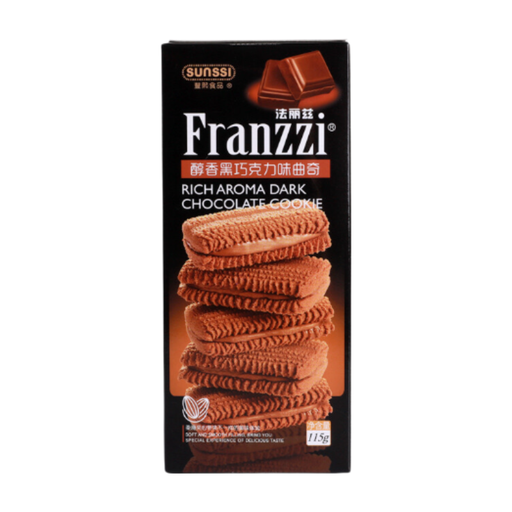
Franzzi Mellow Dark Chocolate Flavoured Cookies

Franzzi Mellow Dark Chocolate Flavoured Cookies

Another Franzzi option described as having a dark chocolate flavour, to compare with the Premium variety.

Pack size: 115 g. Check the label for the cocoa percentage and allergens; don’t judge the intensity of the flavour by the name alone.

View on Joybuy
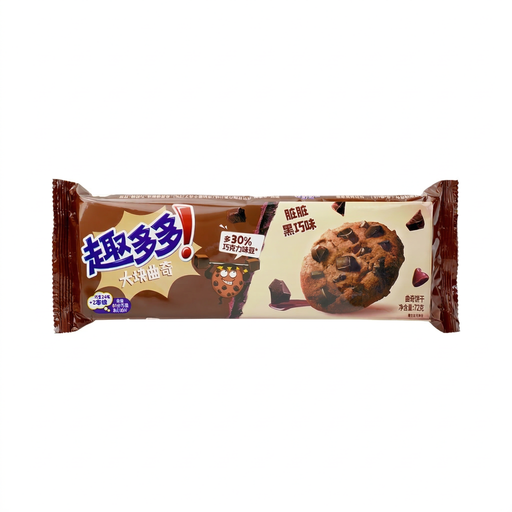
quduoduo Chunky Cookies (Dark Chocolate Flavour)

quduoduo Chunky Cookies (Dark Chocolate Flavour)

A chunky cookie described as having a dark chocolate flavour, if you’d like to add this style of biscuit to your brunch platter.

Pack size: 72 g. Check the label to see whether the chocolate and cocoa content are what you’re looking for, and read the allergen information.

View on Joybuy

Frequently asked questions

Does ‘dark chocolate’ on a biscuit mean it has a high cocoa content?

No, that description alone doesn’t tell you the exact cocoa percentage. The Voedingscentrum states that dark chocolate contains at least 35% cocoa. A statement such as 63% dark chocolate on a biscuit may instead refer to the proportion of chocolate in the whole product; look for a separate statement on the packaging to find out the cocoa content of that chocolate.

Should I check allergens in dark chocolate biscuits too?

Yes, check the allergens on each pack you choose, even if the biscuit is described as ‘dark’. The products described here include ingredients such as wheat, milk and soya; possible traces vary by product. The Netherlands Food and Consumer Product Safety Authority highlights the importance of accurate label information for safe use.

How should I store the biscuits until Easter brunch?

Follow the storage instructions on the pack you choose and seal it well once opened. Albert Heijn recommends storing the biscuits described in a sealed tin; Jumbo advises, among other things, sealing its products well after opening and keeping them in a dark place.

Is a biscuit with dark chocolate automatically a different nutritional choice?

No, ‘dark’ doesn’t describe the biscuit’s overall nutritional value. For the products you’re considering, compare the sugars, fats and portion sizes on the label if these details matter to your choice.
