
Dark chocolate lovers
If you mainly want to taste dark chocolate with your coffee or tea, compare the type and proportion of chocolate listed. The percentage of chocolate in a biscuit is not the same as the cocoa percentage of that chocolate.


If you’re mainly after the taste of dark chocolate, first decide whether you want a biscuit with a high proportion of dark chocolate or a cookie with dark chocolate chunks. A milk and dark chocolate mix is a better fit if you’d also like to taste milk chocolate. Terms such as ‘dark’ and ‘dark chocolate flavour’ don’t, on their own, confirm a high cocoa content. Check the chocolate content, nutritional information and allergens on the packaging.
If you mainly want to taste dark chocolate with your coffee or tea, compare the type and proportion of chocolate listed. The percentage of chocolate in a biscuit is not the same as the cocoa percentage of that chocolate.
If you often have a biscuit as a snack, check the serving size and nutritional values both per serving and per 100 g. The Netherlands Nutrition Centre highlights sugar and saturated fat among the things to consider in snacks.
If particular ingredients or allergens are important to your choice, read the current packaging for the specific variety, including any ‘may contain’ statements. Similar product names don’t necessarily mean the ingredients are the same.
First decide whether you want dark chocolate to be a prominent part of the biscuit or would prefer a cookie with chocolate chunks. Then compare the packaging details that matter most for your snack break.
| What to consider | What should you check? | Who is this most important to? |
|---|---|---|
| Dark chocolate flavour | Check what type of chocolate is used and what any stated percentage refers to. If cocoa percentage is your deciding factor, look for it separately. | With my afternoon coffee, I want dark chocolate to define the flavour, not just appear in a few chunks. Around 36% of consumers put dark chocolate flavour first. |
| Nutritional values and serving size | Compare energy, sugars and saturated fat per 100 g and per stated serving. Also check how large your own serving is. | If I regularly have a biscuit as a snack, I want to know what’s in my usual serving. Nutritional information matters most to around 29% of consumers. |
| Ingredients and allergens | Check the current ingredients list, allergen information and any ‘may contain’ wording on the packaging. | I can only choose once I know which ingredients and allergens apply to this specific variety. Checking ingredients is the first priority for around 21% of consumers. |
| Packaging and availability | Check the type of packaging and whether the same variety is available when you want to buy it again. | For a regular coffee break, I want to know whether I can find the same biscuit and packaging again. Around 14% of consumers give availability top priority. |
Albert Heijn describes AH Zaans huisje as a butter biscuit with 63% dark chocolate; Jumbo says its Chocolate Cookies contain 40% dark chocolate chunks. These percentages refer to different parts of the products and don’t indicate the cocoa percentage of the whole biscuit.
Check what the percentage refers to, and look separately for a stated cocoa percentage.
The flavour or type of chocolate doesn’t tell you how much sugar or saturated fat is in a serving. The Netherlands Nutrition Centre points out that snacks can contain a lot of sugar or saturated fat.
Compare the nutritional information per 100 g and per serving on the packaging of the biscuits you’re considering.
Biscuits with similar names may have different ingredients and allergen information. A product image also doesn’t replace the information on the current packaging.
Before eating them, read both the ingredients list and any ‘may contain’ warnings for the variety you’ve chosen.
Lidl lists the Double chocolate cookie described here as an in-store product. That doesn’t mean the same variety will be available on your next visit.
Check current availability if you’re looking for a biscuit you can buy regularly.
Among the AH varieties mentioned, you can choose between a biscuit with dark chocolate and a cookie with milk and dark chocolate chunks.
The Jumbo Chocolate Cookies mentioned are a crunchy cookie variety with dark chocolate chunks.
Verkade Chocolate chip melk & puur combines two types of chocolate chunks in one biscuit.
The Double chocolate cookie described combines dark and white chocolate chunks.
The Biscotto chocolate biscuits described are butter biscuits containing several types of chocolate.
Lotus Bakeries describes Biscoff as a crunchy biscuit with a caramelised flavour, made to enjoy with coffee.
These cookies mention a dark chocolate flavour in their product name. Don’t take this flavour description as proof of a high proportion of dark chocolate or cocoa. Check the packaging if that’s your main deciding factor.
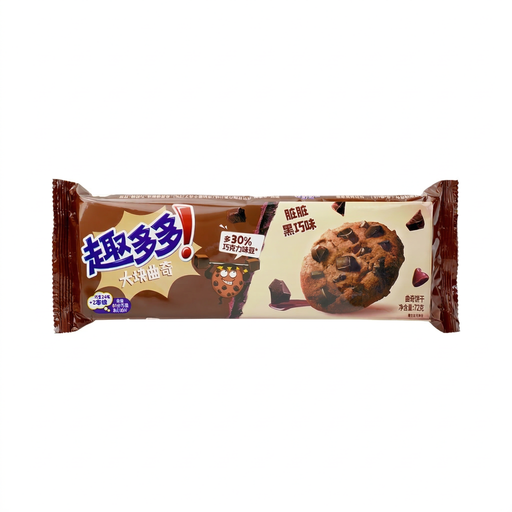 Image unavailable
A cookie for anyone specifically looking for a dark chocolate flavour in a snack. Check the packaging for the proportion of dark chocolate if the amount of chocolate will influence your choice, and read the current allergen information.
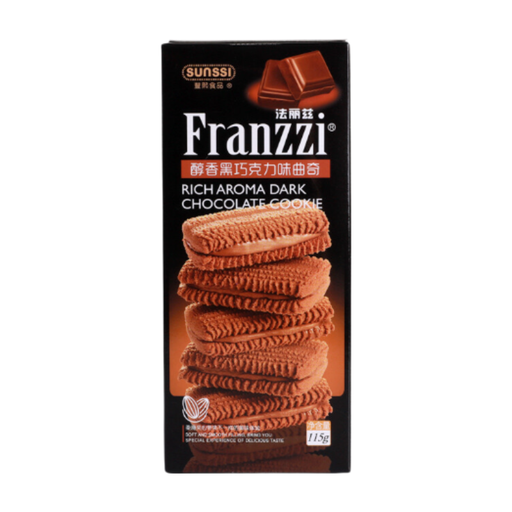 Image unavailable
A dark chocolate-flavoured biscuit for a coffee break. If these details matter to your choice, compare the label for chocolate content, sugars, saturated fat and allergens.
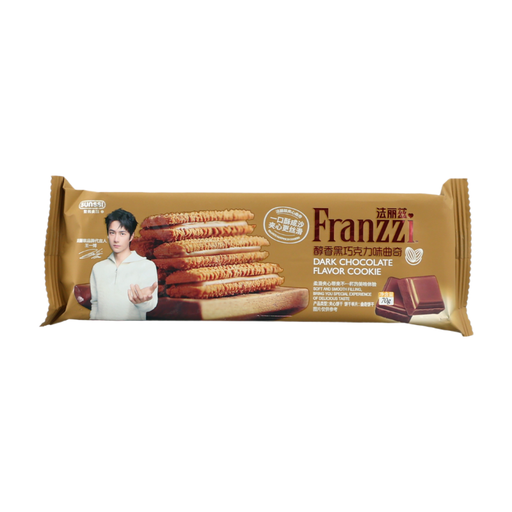 Image unavailable
A smaller pack of dark chocolate-flavoured cookies for a snack. To compare them with other biscuits, check the current nutritional information, ingredients and allergens on the packaging.
No. ‘Dark’ on its own doesn’t confirm the cocoa percentage of the whole biscuit. Albert Heijn states that AH Zaans huisje contains 63% dark chocolate, while Jumbo says its Chocolate Cookies contain 40% dark chocolate chunks. Check the label to see exactly what any percentage refers to.
Compare energy, sugars and saturated fat per 100 g and per stated serving. Then consider how many biscuits you would have as a serving, so you’re not comparing products with different serving sizes alone.
Read the ingredients list and allergen information on the current packaging. The Netherlands Food and Consumer Product Safety Authority states that 14 designated allergens must be listed on the labels of pre-packed foods. Also check for any ‘may contain’ warnings.
Follow the storage instructions for the specific variety. For the Chocolate Cookies mentioned, Jumbo recommends sealing the pack carefully after opening and storing it in a cool, dry place. For AH Zaans huisje, Albert Heijn recommends storing the biscuits in a sealed tin after opening.
Use the current packaging as your reference when checking allergens in a Lidl biscuit. Lidl says it doesn’t provide a general online list of ingredients, allergens and nutritional values for food products.