What should you look for when choosing?
First decide whether dark chocolate or a handy portion for taking with you matters more. Then compare the information on the label: the proportion of chocolate in a biscuit is different from the cocoa percentage of that chocolate.
| What to consider | What to check when buying | Who it matters to |
|---|
| Dark chocolate and cocoa |
Look for a mention of dark chocolate and, if you’re choosing on that basis, an explicitly stated cocoa percentage for the chocolate. |
If I’m looking for a pronounced dark chocolate flavour, I don’t want to mistake ‘dark’ for a confirmed high cocoa content. For around 33% of consumers, cocoa information comes first. |
| Portions for the journey |
Check how many biscuits come in each individual pack and how to store an opened pack. |
Between journeys and coffee breaks, I want to take a small portion with me without opening a whole pack. Around 25% of consumers prioritise convenient portions above all else. |
| Label information |
Read the allergen information and compare sugars and saturated fats per 100 g and per portion. |
If I have an allergy or often have something with my coffee, I want to know what’s in my biscuit. Around 25% of consumers consider checking the label their top priority. |
| Where to shop |
Compare the current product packaging at your chosen shop and, if cost matters, similar pack sizes. |
I want to be able to find a suitable option at a shop I already visit, without relying solely on the product photo. For around 17% of consumers, where they shop is the first consideration. |
Chocolate biscuits on Joybuy
These biscuits suit anyone looking for a dark chocolate flavour to enjoy with coffee. Compare product names and current packaging carefully: a description of a dark flavour doesn’t confirm a high cocoa percentage, and only an explicitly stated multipack tells you clearly how portions are packaged for the journey.
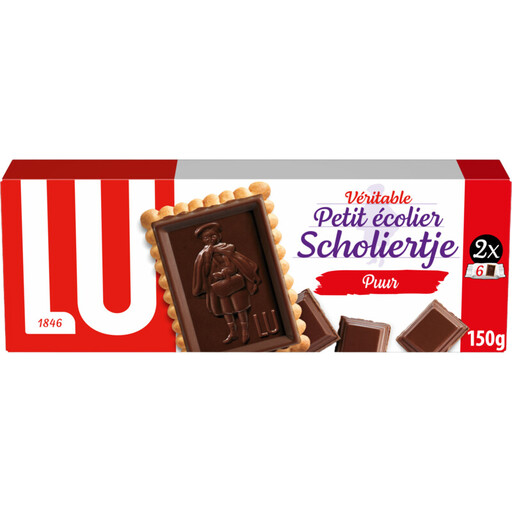 Image unavailable
Lu Scholiertje Chocolate, 150 g
A biscuit option to enjoy with coffee if you’re looking for a chocolate flavour. Before choosing this option for these qualities, check the current packaging for the type of chocolate, cocoa percentage and number of biscuits per individual pack.
View on Joybuy
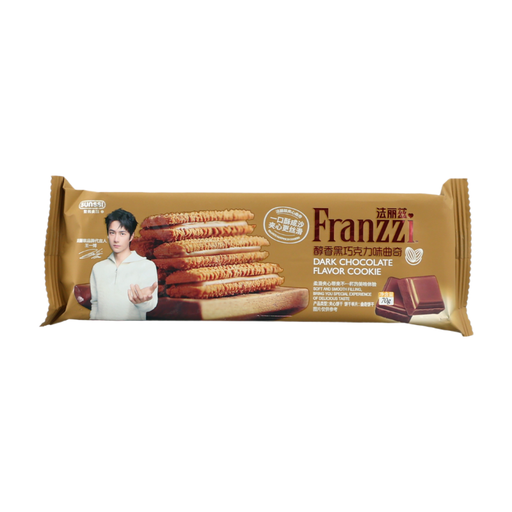 Image unavailable
Franzzi Premium Dark Chocolate Flavour Cookies, 70 g
For anyone considering a biscuit with a dark chocolate flavour to enjoy with coffee. The name describes a flavour and a 70 g pack, not a cocoa percentage. Check the multipack details if you’re taking it on the go, and read the current label if you have an allergy or are comparing nutritional values.
View on Joybuy
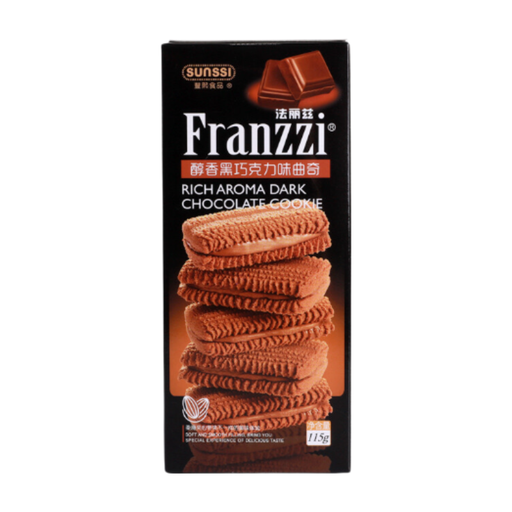 Image unavailable
Franzzi Mellow Dark Chocolate Flavoured Cookies, 115 g
Another Franzzi flavour to consider for a coffee break, in a 115 g pack. Check the current packaging separately for portions, allergens and any stated cocoa percentage; ‘dark chocolate flavoured’ doesn’t specify a percentage.
View on Joybuy
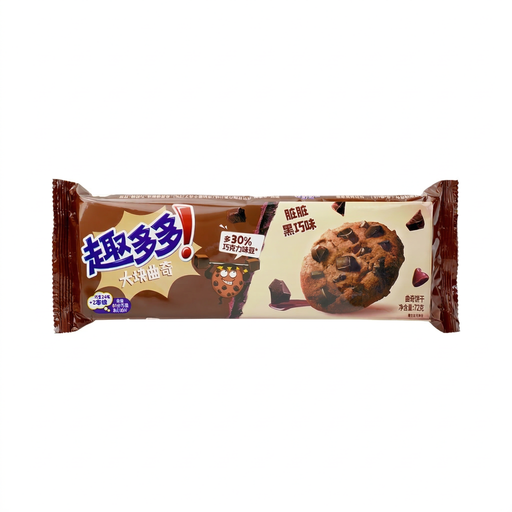 Image unavailable
quduoduo Chunky Cookies Dark Chocolate Flavour, 72 g
A chunky cookie with a dark chocolate flavour to enjoy with coffee, in a 72 g pack. If you want to take one small portion with you, check the packaging format. If you’re choosing based on cocoa content, look for an explicit statement on the label.
View on Joybuy
Frequently asked questions
Does ‘dark’ on a chocolate biscuit mean it contains a lot of cocoa?
No, ‘dark’ on its own doesn’t specify an exact cocoa percentage. Jumbo states that its Chocolade Biscuits Puur contains 63% chocolate, Albert Heijn says LU Scholiertje Puur contains 48% dark chocolate, and Lotus states that its Biscoff version contains 22% chocolate; these percentages refer to the proportion of chocolate in the biscuit. Check the label if you want to know the cocoa percentage of the chocolate.
Is a biscuit with dark chocolate suitable if I need to avoid milk?
Not without checking the label. LU Scholiertje Puur, Jumbo Chocolade Biscuits Puur and Lotus Biscoff with dark chocolate state that they contain milk ingredients. When you buy, check the ingredients and allergen information on the specific pack you’ve chosen.
Where can I find the allergens in a pre-packed biscuit?
Check the ingredients list on the current packaging. The Netherlands Food and Consumer Product Safety Authority states that the 14 legally defined allergens must be clearly listed on the label of pre-packed foods.
How should I store biscuits from an opened pack for a later coffee break?
Follow the storage instructions on the packaging of your product. Jumbo advises that its Chocolade Biscuits Puur pack should be resealed properly after opening and the remaining biscuits eaten within a few days; this advice doesn’t automatically apply to other biscuits.
How do I compare the nutritional values of two chocolate biscuits?
Compare the same nutritional values per 100 g, then check what a portion of each product contains. This lets you compare sugars and saturated fats without automatically equating a smaller biscuit with a larger one; no single nutritional value can tell you which option is right for you.


