
Anyone looking for a rich chocolate flavour with their coffee
Compare a chocolate slab, a layer and chocolate pieces to see how the chocolate is used in the biscuit. Check the cocoa percentage separately if it matters to your choice of flavour.


Choose a chocolate biscuit to enjoy with your coffee based on the shape of the biscuit, its chocolate content and the level of sweetness you prefer. If you’re specifically looking for chocolate with a high cocoa content, don’t rely on the word ‘dark’ alone: check whether the packaging gives a cocoa percentage. The proportion of chocolate in the whole biscuit is different from the cocoa percentage of that chocolate.
Compare a chocolate slab, a layer and chocolate pieces to see how the chocolate is used in the biscuit. Check the cocoa percentage separately if it matters to your choice of flavour.
The number of biscuits, portion size and pack size can help you decide how many to serve or open at once. Check the storage instructions too if you won’t use the whole pack in one go.
Biscuits with dark chocolate may contain ingredients such as wheat, milk and soya; some products also carry warnings about the possible presence of nuts. Check the information on the current packaging of the exact product.
First, decide which flavour and biscuit shape you’d like with your coffee. Then check the label for sugars, allergens and the amount you want to serve at a time.
| What to consider | What to check when buying | Who it matters to |
|---|---|---|
| Chocolate flavour and sweetness | Check the cocoa percentage of the chocolate if it will determine your choice. Separately compare the proportion of chocolate in the biscuit and the sugars per 100 g. | If I mainly want to taste chocolate with my coffee, I don’t want to rely on the word ‘dark’ alone. For roughly 34% of consumers, this is the main consideration. |
| Texture with coffee | Check whether it’s a biscuit with a chocolate slab or layer, a cookie with pieces, or speculoos. Consider the size too. | For my coffee break, it matters whether I’m having a thin biscuit or a cookie with pieces; around 25% of consumers prioritise texture. |
| Ingredients and allergens | Read the current ingredients list, the allergens highlighted and any warnings such as ‘may contain’. | If I need to avoid certain ingredients, the label determines whether a biscuit is suitable for me. Around 33% of consumers put this check first. |
| Portions and storage | Compare the net weight, number of biscuits, portion size and storage instructions after opening. | When I’m putting biscuits out for several coffee breaks or for guests, I want to know how many I’ll open at once; for around 8% of consumers, portioning is the main consideration. |
The percentage of chocolate in a biscuit doesn’t tell you how much cocoa that chocolate contains. Even a clearly stated chocolate percentage doesn’t answer that second question.
If it’s essential to your choice, look for an explicit cocoa percentage for the chocolate on the packaging.
For the biscuits described, Lotus Biscoff, Jumbo and Albert Heijn list ingredients or warnings that are relevant to anyone who needs to avoid milk, soya, wheat or other allergens.
Check the ingredients and allergen information on the packaging of your chosen variety every time you buy it.
The proportion of chocolate doesn’t, in itself, tell you the total amount of sugars. Lotus Biscoff states that the speculoos described contains 39,6 g of sugars per 100 g; Albert Heijn also lists decorative sugar in its sugared biscuits.
Compare the nutrition information per 100 g and, as well as the type of chocolate, check for any sugar on or in the biscuit.
An option if you’d like caramelised speculoos with dark chocolate to enjoy with your coffee.
Verkade has separate biscuit and chocolate ranges, with chocolate products including ‘Dark’ and ‘Extra Dark’ varieties.
AH Sugared Biscuits with Dark Chocolate are thin biscuits with a chocolate coating, made to enjoy with coffee or tea.
Jumbo Chocolate Cookies combine a crunchy cookie with dark chocolate pieces.
ALDI’s Biscotto range includes chocolate biscuits that are also suitable for a coffee break.
These Joybuy products are biscuits for a coffee break. Check whether the chocolate in your chosen variety is actually dark and whether the packaging states a cocoa percentage; a chocolate-flavoured description doesn’t confirm either.
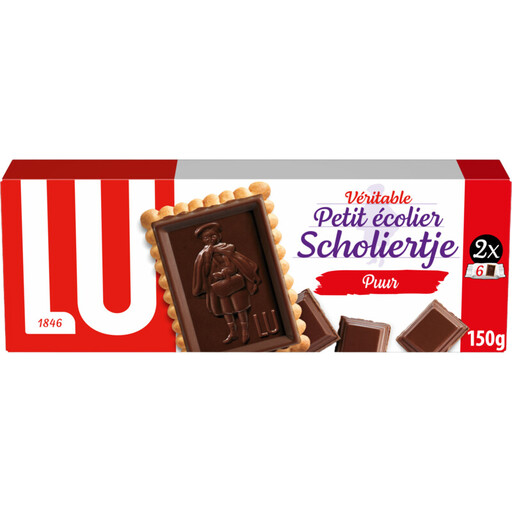 Image unavailable
For anyone who’d like to serve a Scholiertje with coffee. Before choosing this Chocolate variety for its dark chocolate flavour, check the packaging for the type of chocolate, the cocoa percentage and allergen information.
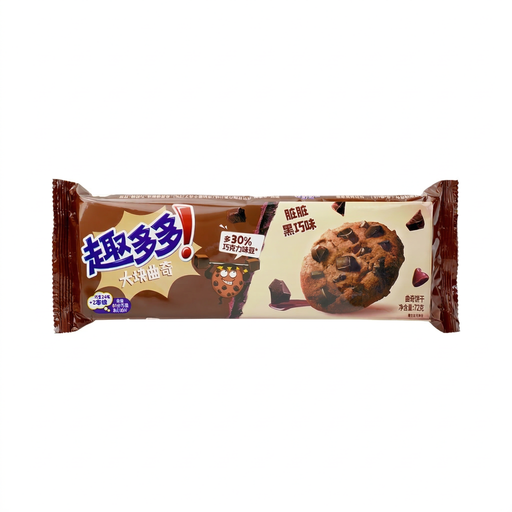 Image unavailable
For anyone looking for a chunky cookie with a dark chocolate flavour to enjoy with a drink. ‘Dark Chocolate Flavour’ describes the taste, but doesn’t confirm that the chocolate used is dark; check the ingredients and any cocoa percentage on the packaging.
No. That description doesn’t, by itself, give you a specific cocoa percentage. For the products discussed, Lotus Biscoff, Jumbo and Albert Heijn state the proportion of chocolate in the biscuit; that’s a different measure. If it will determine your choice, look for an explicit cocoa percentage for the chocolate.
Not necessarily. The products discussed list ingredients such as milk, soya or wheat, or carry warnings about the possible presence of other allergens. Check the current packaging for the exact variety; according to the European Union, allergens in prepacked foods must be clearly emphasised in the ingredients information.
Follow the storage instructions on the packaging of your chosen product. Jumbo recommends sealing its Chocolate Cookies pack well and storing it in a cool, dry place; Albert Heijn recommends keeping its sugared biscuits in a sealed tin after opening.
Compare the ingredients, allergens, net weight and nutritional values, including sugars per 100 g. For prepacked foods, the European Union also lists the product name, best-before date and any storage conditions among the information required on the label. For the chocolate flavour you’re looking for, check whether the label gives a chocolate percentage or a cocoa percentage; they don’t mean the same thing.