
Fans of a pronounced chocolate flavour
If you want chocolate to take centre stage alongside an espresso or black coffee, check the stated chocolate content. Look separately for a cocoa percentage if that’s what will determine your choice.


Don’t choose based on the word ‘dark’ alone: the proportion of chocolate in a biscuit is different from the cocoa percentage of the chocolate. A biscuit with a high chocolate content is a good choice when you want the chocolate to take centre stage with your coffee. If you prefer a substantial biscuit or individually portioned packs, digestives or multipacks may be a better fit. Whatever you choose, check the ingredients and allergen information on the current packaging.
If you want chocolate to take centre stage alongside an espresso or black coffee, check the stated chocolate content. Look separately for a cocoa percentage if that’s what will determine your choice.
If you like having a crunchy biscuit with your coffee, compare the texture of a digestive, a chocolate-coated biscuit and a cookie. Nutritional information per 100 g and serving size may also influence your choice.
When you’re entertaining or having coffee on the go, the packaging may matter more than the chocolate content. Check how many biscuits are in each individual pack and how to store the rest once opened.
First, distinguish between the chocolate content of the biscuit and the cocoa percentage of the chocolate. Then compare the biscuit texture, portion sizes and allergens to find the right option for your coffee moment.
| What to consider | What to check when buying | Who it matters to |
|---|---|---|
| Chocolate flavour and cocoa | Compare the chocolate content of the biscuit; check separately for a cocoa percentage if that’s a deciding factor. | I mainly want to taste chocolate with my black coffee, but the word ‘dark’ doesn’t tell me how much cocoa it contains. An estimated 50% of consumers put chocolate flavour first. |
| Biscuit texture and nutritional value | Check the type of biscuit and compare sugars and fibre per 100 g; also consider the serving size. | For a regular coffee break, I want to know whether to choose a substantial digestive or another crunchy biscuit. Texture and nutritional value are the most important factors for around 30% of consumers. |
| Portions and packaging | Check the number of biscuits in each individual pack and the storage advice after opening. | When I’m serving biscuits or taking them with me, I want to open only the portions I need. For an estimated 20% of consumers, portion convenience is the main consideration. |
The percentage of chocolate in the whole biscuit doesn’t tell you how much cocoa the chocolate contains. This distinction matters if you’re choosing specifically by cocoa content.
Compare the two percentages separately on the packaging. If no cocoa percentage is listed, choose based on the stated ingredients, chocolate content and biscuit style.
The name McVitie's Digestives Dark Chocolate doesn’t prove that the biscuit aids digestion. Jumbo specifically states that the biscuit ingredients in this product don’t contain substances that promote digestion.
Choose a digestive for its biscuit texture if you like it; compare the nutritional information per 100 g and per serving to assess its nutritional value.
The biscuits reviewed list ingredients including wheat, milk or soya; some products also warn that they may contain traces of other allergens. ‘Dark chocolate’ doesn’t tell you which allergens are in the whole biscuit.
When buying, read the allergen information on the packaging of the specific product you’ve chosen, including any warnings about possible traces.
Ingredients and allergen information may change if a recipe is updated. An older product description may therefore not match the packaging you receive.
Use the product page to help you shortlist options, then check the current packaging before eating the biscuit.
The own-brand range includes both chocolate-coated biscuits and cookies with dark chocolate pieces.
Digestives Dark Chocolate combines a wheat biscuit with a layer of dark chocolate.
This variety combines speculoos with dark chocolate and may also suit people who want to serve biscuits in individual packs.
Duo'tjes Chocolade consists of two oat biscuits with a dark chocolate cream filling.
The sugared biscuits with dark chocolate show the differences in chocolate content and nutritional value you can compare on a label.
These Joybuy products include a chocolate digestive and two cookies with a dark chocolate flavour. Choose based on biscuit texture, cookie style and pack size; the product name alone doesn’t confirm a high cocoa percentage.
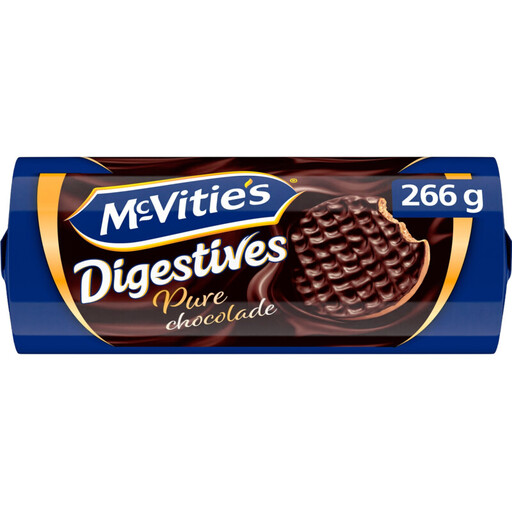 Image unavailable
A good choice if you fancy a digestive with a layer of dark chocolate alongside your coffee. For this variety, Jumbo states that it contains 30% dark chocolate, 4.3 g of fibre and 26.6 g of sugars per 100 g. This doesn’t tell you the cocoa percentage; if that matters to you, check it and the allergens on the current packaging.
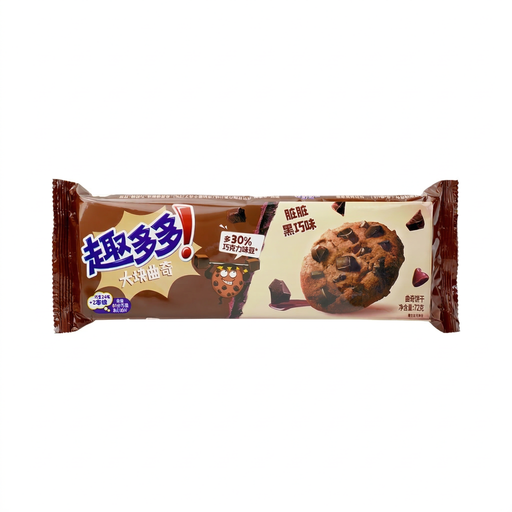 Image unavailable
For anyone who’d prefer a chunky cookie with a dark chocolate flavour over a chocolate-coated biscuit with their coffee. The pack contains 72 g. If you’re choosing mainly based on cocoa content or allergens, check the relevant information on the current packaging.
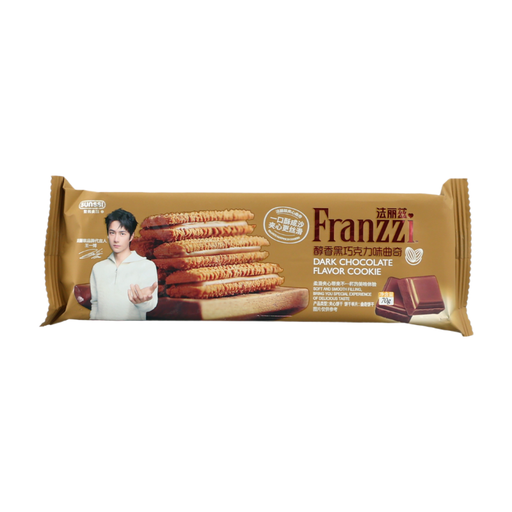 Image unavailable
An option if you’re looking for cookies with a dark chocolate flavour for a quick coffee break. The pack contains 70 g. If portion sizes, nutritional information or allergens will influence your choice, compare the details on the current packaging; the flavour description alone doesn’t tell you the cocoa percentage.
No. The flavour description isn’t a substitute for a specific cocoa percentage. The stated chocolate content also refers to the whole biscuit, not the amount of cocoa solids in the chocolate. If cocoa content is a deciding factor for you, check both figures separately.
Read the allergen information on the current packaging for the specific biscuit. Your Europe explains European allergen labelling rules for prepacked foods; the products discussed here include ingredients such as wheat, milk and soya, and some may contain traces of other allergens.
Follow the storage advice on the packaging and seal an opened pack securely. The biscuits discussed here should be stored in a cool, dry place; an airtight tin can be handy for biscuits that don’t come in individual packs.
Use a product page to shortlist biscuits, but check the packaging before eating them. Albert Heijn notes that ingredients, nutritional values and allergen information may change when products are updated.