Choose a dark chocolate biscuit for your afternoon coffee based on the flavour you prefer, the portion size and how comfortable it is to eat. A small butter biscuit, a digestive and chocolate speculoos are all different options. Compare the nutritional information per 100 g and check the current label for allergens. If someone has difficulty chewing or swallowing, a crunchy biscuit may not be suitable. The proportion of chocolate in a biscuit is not the cocoa percentage of that chocolate, so only choose one specifically for its high cocoa content if the percentage is stated.
Who is this choice relevant to?
Coffee drinkers looking for a dark chocolate flavour
If you want a biscuit with dark rather than milk chocolate, check the type of chocolate in the product description. Look for any cocoa percentage separately on the label: the stated proportion of chocolate in a biscuit won’t tell you this.
Older people keeping an eye on portion size and nutritional value
A biscuit with coffee can be a treat. Compare the sugar, saturated fat and fibre per 100 g, then decide what portion you’d like to serve. The Netherlands Nutrition Centre highlights the importance of getting enough nutrients as part of an overall diet for older people.
Shoppers considering eating comfort or allergens
If you’re buying for someone who has difficulty chewing or swallowing, first consider whether a crunchy biscuit is suitable. If they have an allergy, check the current label: the varieties reviewed list allergens including wheat or gluten, milk and soya. If someone is losing weight unintentionally or may be malnourished, it’s more important to speak to their GP than to choose a different type of biscuit yourself, according to the Netherlands Nutrition Centre.
What should you look for when choosing?
First decide which chocolate flavour and portion size you’re looking for. Then compare the nutritional information per 100 g, and consider eating comfort and allergens separately.
| What to consider |
What should you check? |
Who will find this most important? |
| Chocolate flavour |
Check whether dark chocolate is listed. If the cocoa percentage affects your choice, look for it separately on the label. |
With my afternoon coffee, I want a biscuit with a distinct dark chocolate flavour, without confusing the proportion of chocolate in the biscuit with the cocoa percentage. For around 33% of consumers, this flavour profile comes first. |
| Portion size and nutritional value |
Compare sugars, saturated fat and fibre per 100 g, then use the portion information to help you decide what to serve. |
When I serve a biscuit, I want the portion to fit my eating habits and to compare products on a like-for-like basis. For around 25% of consumers, this is the most important consideration. |
| Eating comfort |
Look out for descriptions such as crunchy or crisp. If someone has difficulty swallowing or is losing weight unintentionally, seek appropriate professional advice. |
If chewing or swallowing is difficult, I don’t want to choose a crunchy biscuit without thinking. Eating comfort is the top priority for around 25% of consumers. |
| Allergens and packaging |
Read the ingredients, allergens and any warnings on the current label, and check how the biscuits are packaged. |
When I put biscuits out for others, I need to be able to check what’s in them and how I can serve them. For around 17% of consumers, this information comes first. |
Common mistakes
-
Assuming ‘dark’ means high in cocoa or dairy-free
For the Albert Heijn and Jumbo biscuits, 63% refers to the proportion of chocolate in the whole product, not the cocoa percentage of the chocolate. A variety made with dark chocolate may also contain milk.
Read the ingredients and allergens on the current label, and look for a stated cocoa percentage if that’s what you want to base your choice on.
-
Expecting a digestive to aid digestion
For the McVitie's Dark Chocolate Digestives reviewed, Jumbo states that the ingredients contain no substances that promote digestion. So the product name isn’t a reason to expect this effect.
If you want to compare biscuits, check the stated fibre per 100 g without assuming that the biscuit will have a particular effect.
-
Continuing to serve a crunchy biscuit when eating is difficult
The biscuits reviewed are described as crunchy or crisp. This may be a concern if someone has difficulty chewing or swallowing.
If someone has difficulty swallowing, speak to a healthcare professional about what’s suitable. If they’re losing weight unintentionally or may be malnourished, contact their GP, as advised by the Netherlands Nutrition Centre.
-
Comparing only the portions shown on different packs
Portion sizes vary between products. Albert Heijn and Jumbo give a portion size of 14 g for the biscuits reviewed; this information alone doesn’t make the nutritional values directly comparable with those of other biscuits.
Compare the nutritional information per 100 g first, then decide how many you’d like to serve with coffee.
Brands to consider
These product ranges offer different types of biscuits to enjoy with coffee. Check the type of chocolate, ingredients and nutritional information for each variety; a brand name alone won’t tell you enough.
Albert Heijn
According to Albert Heijn, AH Zaans Huisje Dark Chocolate is a 125 g butter biscuit with 63% dark chocolate in the product.
- Albert Heijn lists nine 14 g portions and 5 g of fibre per 100 g.
- The biscuit is crunchy and lists milk, cereals containing gluten and soya among its allergens. The proportion of chocolate is not a confirmed cocoa percentage.
Jumbo
According to Jumbo, Jumbo Dark Chocolate Biscuits contains nine crunchy biscuits in a 125 g pack, with chocolate making up 63% of the product.
- The stated portion is 14 g; Jumbo lists 37 g of sugars and 3.5 g of fibre per 100 g.
- The product lists gluten, wheat, milk and soya, and may contain nuts. The 63% figure isn’t a separate cocoa percentage.
McVitie's
The McVitie's Dark Chocolate Digestives described by Jumbo are wheat biscuits coated with dark chocolate.
- For this variety, Jumbo lists 30% dark chocolate, 9% wholemeal wheat flour, 26.6 g of sugars and 4.3 g of fibre per 100 g.
- The biscuit is crunchy and lists wheat or gluten, milk and soya. Jumbo also states that the ingredients contain no substances that promote digestion.
Lotus Biscoff
Lotus Biscoff offers a crunchy speculoos biscuit with dark chocolate for anyone looking for a caramelised speculoos flavour above all.
- For the variety reviewed, Lotus lists 22% chocolate and 39.6 g of sugars per 100 g.
- The ingredients include gluten, soya and milk. The proportion of chocolate doesn’t confirm a high cocoa percentage.
Sondey (Lidl)
Lidl describes Sondey as a range of cookies and biscuits, including vegan options.
- The range gives you options to explore if you’d like to browse different types of biscuit in store.
- Check the chocolate type, ingredients and nutritional values on the label of the specific biscuit. The characteristics of other Sondey products don’t necessarily apply to a dark chocolate variety.
Biscotto (ALDI)
The Biscotto product described by ALDI Netherlands is a mix of butter biscuits with dark, white and milk chocolate.
- ALDI lists 20 biscuits, individually wrapped in pairs, which may be convenient for smaller servings.
- It’s a chocolate selection, not a dark chocolate-only variety. Check the ingredients and type of chocolate for each product.
Dark chocolate digestives at Joybuy
If you’re looking for a dark chocolate digestive to enjoy with your afternoon coffee, you’ll find a pack of McVitie's below. Check the current label to see whether the ingredients, nutritional values and chocolate flavour suit your preferences.
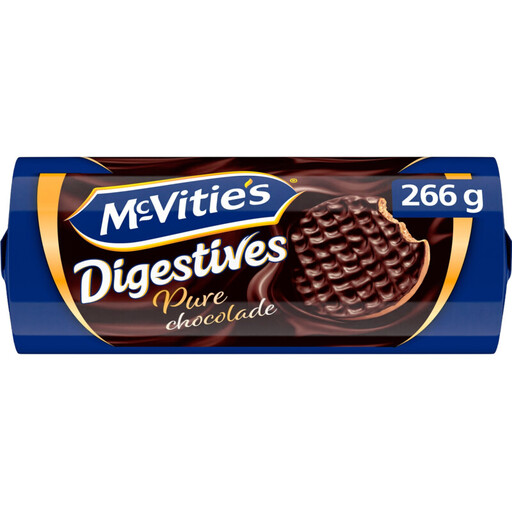 Image unavailable
McVitie's Digestives with Dark Chocolate, 266 g
An option to consider if you’d like to serve a dark chocolate digestive with your afternoon coffee. The pack contains 266 g. Check the label for allergens, nutritional information and any stated cocoa percentage for the chocolate.
View at Joybuy
Frequently asked questions
Does 63% dark chocolate mean a biscuit contains 63% cocoa?
No. For the Albert Heijn and Jumbo biscuits reviewed, 63% refers to the proportion of dark chocolate in the whole product. If the amount of cocoa is important to you, look for a separate cocoa percentage on the current label.
Are dark chocolate biscuits a suitable everyday staple for older people?
No. Think of a biscuit with coffee as a treat, not a replacement for a balanced meal. The Netherlands Nutrition Centre highlights the importance of getting enough nutrients as part of an overall diet for older people, and notes that snacks can be high in energy but low in nutrients.
What if someone has difficulty chewing or swallowing?
Don’t automatically choose a crunchy biscuit: the varieties reviewed are described as crunchy or crisp. Speak to a healthcare professional about swallowing difficulties. If someone is losing weight unintentionally or may be malnourished, contact their GP, as advised by the Netherlands Nutrition Centre.
Should I check the label if I’ve already read the ingredients online?
Yes. This is particularly important if you have an allergy or intolerance: check the current label on the pack. The Netherlands Food and Consumer Product Safety Authority explains what information must appear on prepacked foods. For your biscuit, make sure you check the ingredients, allergens and nutritional information.


