
Dark chocolate fans
You want the chocolate to stand out alongside your coffee or tea. Compare the proportion of chocolate in the biscuit, and check separately whether the cocoa percentage of that chocolate is stated.


If you’re looking for a distinct chocolate coating for Sunday breakfast, a biscuit with dark chocolate is a natural choice. If you’d prefer a larger pack with a digestive base, look for a digestive with dark chocolate. Jumbo lists 63% chocolate in its Chocolade Biscuits Puur and 30% dark chocolate in its Digestive Biscuit Pure Chocolade, but these figures don’t tell you how much cocoa the chocolate contains. If a specific cocoa percentage is important to you, check the packaging before you choose.
You want the chocolate to stand out alongside your coffee or tea. Compare the proportion of chocolate in the biscuit, and check separately whether the cocoa percentage of that chocolate is stated.
You’re looking for a larger pack and a biscuit base alongside the dark chocolate. Check the ingredients and compare the nutritional values per 100 g, without assuming that the word ‘digestive’ means it offers a nutritional benefit.
You need to know which ingredients and allergens are in your chosen biscuit before serving it. Check the current packaging, even if you’ve already looked at the product information online.
First, decide whether the chocolate coating or the digestive base matters most to you. Then check the label if the cocoa percentage or ingredients could affect your choice.
| What to consider | What to check when buying | Who it matters most to |
|---|---|---|
| Dark chocolate and cocoa | Compare the proportion of dark chocolate in the biscuit. Separately, look for a stated cocoa percentage for the chocolate. | If I’m choosing mainly for a pronounced dark chocolate flavour, I want to know how much chocolate the biscuit contains without confusing that with the cocoa percentage. This flavour preference comes first for around 42% of consumers. |
| Digestive base and pack size | Check the net weight and compare fibre, sugars and saturated fat per 100 g. | For a breakfast I’m sharing, I’m more likely to look for a larger pack with a digestive base than a biscuit focused mainly on its chocolate coating. Around 33% of consumers say this combination is their top priority. |
| Ingredients and allergens | Read the current ingredients and allergen information on the packaging, including any warnings about possible traces. | If I need to take ingredients or allergens into account, the label determines whether I can serve a biscuit. This check comes first for around 25% of consumers. |
The 63% listed by Jumbo for Chocolade Biscuits Puur is the proportion of chocolate in the biscuit. It isn’t the percentage of cocoa in that chocolate.
Keep these two percentages separate. If you have a minimum cocoa percentage in mind, look for it on the packaging.
A digestive is a type of biscuit, not a nutritional claim. For its Digestive Biscuit Pure Chocolade, Jumbo lists 4.1 g of fibre, 27.4 g of sugars and 12.9 g of saturated fat per 100 g.
Choose the type of biscuit base you want, then compare the nutritional values of specific products on the same per-100 g basis.
Listed ingredients and allergens can vary between products or change over time. The two Jumbo biscuits in this comparison list wheat, milk and soya, among other ingredients; Chocolade Biscuits Puur also carries a warning about possible traces of nuts.
Check the packaging of the product you buy before serving it, especially if someone needs to avoid an allergen.
Lotus Bakeries describes the regular Lotus Biscoff as a crunchy biscuit with a caramelised flavour. That’s a different flavour profile from a biscuit with dark chocolate.
Choose Biscoff if you’re looking for speculoos to enjoy with coffee. If you prefer a cocoa-led flavour, look for biscuits with dark chocolate and then check the ingredients.
Jumbo lists both Chocolade Biscuits Puur, with 63% chocolate, and a digestive with 30% dark chocolate.
Albert Heijn’s product page describes Verkade Verk digestive puur as a wheat biscuit with 30% dark chocolate and lists 4.2 g of fibre per 100 g.
Lidl describes Sondey Digestives pure chocolade as a 300 g pack and says it’s available in store only.
ALDI describes Biscotto Chocoladekoekjes as a pack of 20 butter biscuits with dark, white and milk chocolate.
Lotus Bakeries describes its regular Biscoff as a crunchy biscuit with a caramelised flavour.
These biscuits suit anyone looking for a dark chocolate flavour at Sunday breakfast. The flavour name alone doesn’t confirm a specific cocoa percentage, so check the packaging if that matters to your choice.
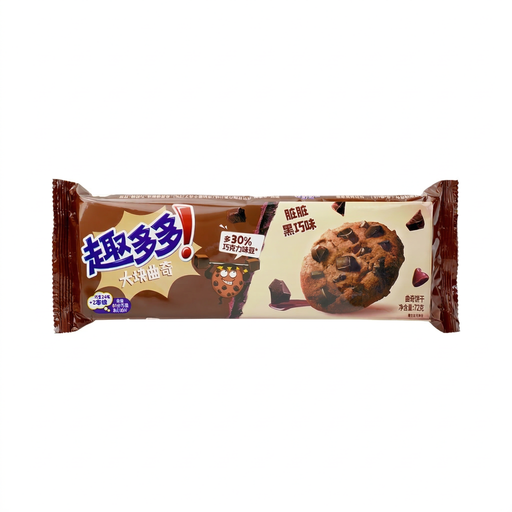 No image available
For anyone who wants a biscuit with a dark chocolate flavour on the breakfast table; the pack contains 72 g. Check the label for the cocoa percentage if it will influence your choice.
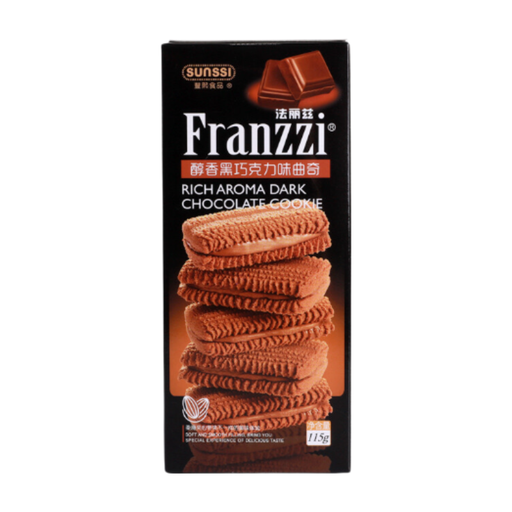 No image available
A 115 g pack for anyone looking for biscuits with a dark chocolate flavour. Check the ingredients and cocoa percentage on the packaging if either is important to your choice.
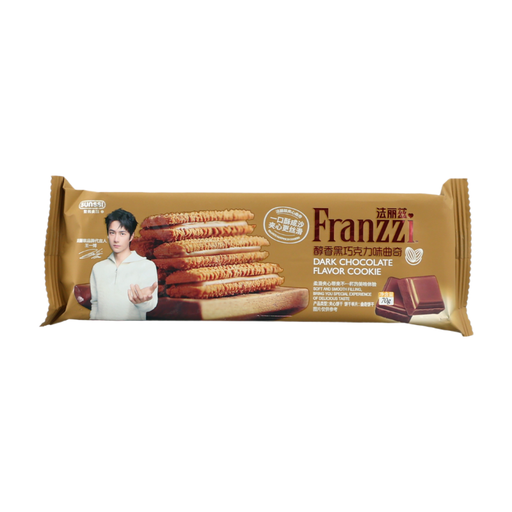 No image available
A 70 g pack for anyone who wants to serve a biscuit with a dark chocolate flavour. Check the current packaging if ingredients, allergens or a specific cocoa percentage will affect your choice.
No, the description alone doesn’t give an exact cocoa percentage. For Chocolade Biscuits Puur, Jumbo lists 63% chocolate in the biscuit; for Digestive Biscuit Pure Chocolade, it lists 30% dark chocolate. Neither figure is the percentage of cocoa in the chocolate. Check the packaging or product specifications if you’re looking for a specific cocoa percentage.
Use the nutritional values per 100 g for both biscuits, so differences in pack size or serving size don’t skew the comparison. The Netherlands Nutrition Centre recommends checking the nutrition table on the label. Focus on the values that matter to you, such as sugars, fat and fibre.
Yes, check the allergen information on the current packaging of the product you’ve chosen. The Jumbo biscuits mentioned here list wheat, milk and soya, among other ingredients; Chocolade Biscuits Puur also warns that it may contain nuts. Don’t rely on the allergen information for another biscuit with a similar name.
Seal the pack tightly after opening. Jumbo’s product information recommends this for the biscuits discussed here; also follow the storage instructions on the packaging of the product you’ve bought.