For your break, start by deciding what kind of biscuit you fancy: a biscuit with a layer of dark chocolate, a butter biscuit with a higher stated chocolate percentage, or a cookie with chocolate chips. Then compare the serving size, nutritional information per 100 g and allergens for the specific variety. The word ‘dark’ won’t tell you that.
Who is this guide for?
Fans of a rich chocolate flavour
Looking for a biscuit to enjoy with coffee or tea, with a noticeable chocolate flavour? Check what the stated percentage refers to. Albert Heijn lists one biscuit with a layer of 27% dark chocolate and another made with 63% dark chocolate. These percentages describe different types of biscuit.
Anyone taking a biscuit along for a break
If you want to decide in advance how many to take, the weight per serving and number of biscuits in the pack are more useful than the total pack weight alone. For example, the ALDI Biscotto pack we looked at contains biscuits wrapped in pairs, but also includes varieties with white and milk chocolate.
Anyone comparing labels
If you want to check sugars, saturated fat, ingredients or allergens, compare the same values per 100 g, then consider how much you plan to eat. The Netherlands Nutrition Centre recommends using the nutritional information per 100 g as the basis for comparing products.
What should you look for when choosing?
First decide what flavour and texture you’re looking for. Then use the label to assess the amount of chocolate, your serving size and the nutritional information that matters to you for that specific variety.
| What to consider |
What to check when buying |
Who it matters to |
| Chocolate flavour |
Check whether a percentage refers to a chocolate coating, chocolate chips or the biscuit as a whole. If you’re looking for a specific cocoa content, check the label. |
I want a distinct dark chocolate flavour with my coffee, not just a biscuit with ‘dark’ in its name. This flavour preference comes first for around 25% of consumers. |
| Serving size and packaging |
Compare the weight per serving with the number of biscuits you’ll actually take with you. Check whether the pack contains individually wrapped biscuits or pairs. |
I want to decide in advance how many biscuits to take for my break. This serving format is the top priority for around 25% of consumers. |
| Nutritional information |
Compare sugars and saturated fat per 100 g on the same basis. Then check what the chosen serving contains according to the label. |
When choosing between two biscuits, I want to compare their nutritional information without mixing up different serving sizes. This is the most important consideration for around 31% of consumers. |
| Ingredients and allergens |
Read the ingredients and allergen information on the current pack, including any ‘may contain’ information. |
If I have an allergy or specific dietary requirement, I need to be able to check whether this particular variety is suitable. Ingredients and allergens are the first concern for around 19% of consumers. |
Common mistakes
-
Assuming ‘dark’ means a set amount of chocolate
The product descriptions we looked at include an Albert Heijn biscuit with a layer of 27% dark chocolate and a Jumbo cookie with 40% dark chocolate chips. These are different components in different biscuits, so the percentages aren’t directly comparable.
Check what the percentage refers to. Use the ingredients list and nutritional information per 100 g for other comparisons.
-
Comparing values per biscuit only
The stated serving sizes of the products we looked at vary. Comparing a 13 g biscuit with an 18,75 g cookie serving without taking the weight into account isn’t an apples-to-apples comparison.
Compare products per 100 g first, then check the nutritional information for the amount you actually plan to eat.
-
Assuming the allergens from the type of chocolate
According to the information for the products we looked at, a biscuit made with dark chocolate may contain milk, wheat or soya, among other things. The possible presence of other allergens varies by recipe.
Check the allergen information on the specific pack when you buy it, even if you already know the product name.
-
Assuming a previously viewed range is still available
The Jumbo page we looked at says that the Lotus Biscoff speculoos biscuit with dark chocolate is no longer in its online range. So an older product description doesn’t tell you whether you can buy the product now.
Check the current range before buying, and read the packaging again if ingredients or nutritional information matter to your choice.
Brands to explore
These examples show the kinds of chocolate biscuits you might come across. The features mentioned apply to the products described, not to a brand’s entire range.
Albert Heijn
Two different biscuits: a sugared biscuit with a layer of 27% dark chocolate, and a Zaans huisje butter biscuit made with 63% dark chocolate.
- Albert Heijn’s product information lists ingredients, serving sizes and nutritional values, so you can assess the two varieties separately.
- The Zaans huisje lists 37 g of sugars and 16 g of saturated fat per 100 g; the biscuit with a chocolate coating lists 35 g of sugars and 8,8 g of saturated fat per 100 g. Don’t draw conclusions from this about other AH biscuits or chocolate coatings in general.
Jumbo
A cookie we looked at, made with 40% dark chocolate chips, as an alternative to a biscuit with a chocolate coating.
- For this cookie, Jumbo provides nutritional information per 100 g and per stated 18,75 g serving.
- The variety lists 32 g of sugars and 14,2 g of saturated fat per 100 g. Check the current allergen information too; the product details mention that it may contain nuts, milk, egg and soya, among other things.
Lotus Biscoff
A speculoos biscuit we looked at pairs the spiced biscuit with a layer of dark chocolate.
- The Jumbo product information we looked at describes a pack containing two biscuits and gives values per 13,5 g speculoos biscuit.
- The same page says that this product is no longer in the online range. Check current availability and the packaging if you’re looking for this variety.
Biscotto
An ALDI pack of butter biscuits with dark, white and milk chocolate, individually wrapped in pairs.
- The two-biscuit packs can be handy if you want to take biscuits with you.
- The product information doesn’t give separate nutritional values, allergen details or chocolate percentages for the dark chocolate variety alone. Check the pack label if those details will affect your choice.
Biscuits on Joybuy
These biscuits are a good fit if you’re after a snack with a dark chocolate flavour. The flavour description alone doesn’t tell you how much dark chocolate they contain, so check the pack’s nutritional information and allergens too.
 No image available
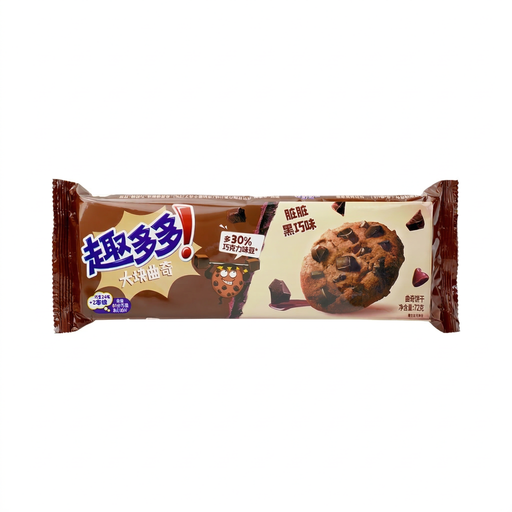
quduoduo Chunky Cookies Dark Chocolate Flavour 72 g
For anyone looking for a chunky cookie with a dark chocolate flavour. The pack states 72 g; check the label for the chocolate content, serving size and nutritional information, including saturated fat.
View on Joybuy
 No image available
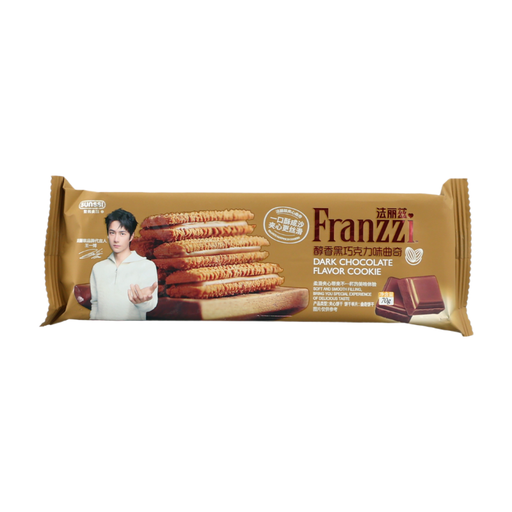
Franzzi Premium Dark Chocolate Flavour Cookies 70 g
A dark chocolate-flavoured biscuit in a 70 g pack. Before your break, decide how many biscuits you want to take and check the pack for sugars and saturated fat.
View on Joybuy
 No image available
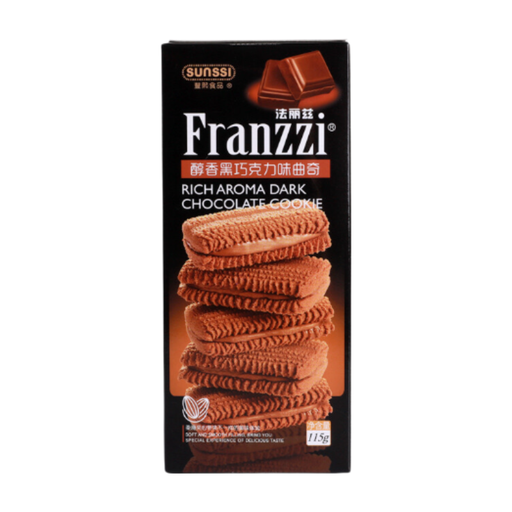
Franzzi Mellow Dark Chocolate Flavoured Cookies 115 g
For anyone looking for dark chocolate-flavoured biscuits and considering a 115 g pack. To compare nutritional values, check the current sugars and saturated fat figures on the pack and decide on your own serving size.
View on Joybuy
Frequently asked questions
Is a biscuit with dark chocolate automatically a different nutritional choice?
No. The word ‘dark’ doesn’t tell you how much sugar or saturated fat the whole biscuit contains. Compare the nutritional information for the specific variety per 100 g, then consider your serving size. The Netherlands Nutrition Centre notes that many snacks contain sugar or saturated fat.
Should I compare dark chocolate biscuits per 100 g or per serving?
Use the values per 100 g to compare different products on the same basis. Then check the stated serving size and how much you’ll actually eat; the biscuits and cookies described don’t all have the same serving weight.
Can a biscuit with dark chocolate contain milk or gluten?
Yes. The type of chocolate doesn’t determine which allergens are in the whole biscuit. The information for the products we looked at mentions milk and wheat, among other things. When buying, read the allergen information and any ‘may contain’ wording on the current pack.
How should I store dark chocolate biscuits after opening?
Follow the storage instructions on the pack and seal the biscuits well after opening. The Albert Heijn and Jumbo product information we looked at recommends storing them in a cool, dark, dry place; for opened AH biscuits, it also suggests keeping them in a sealed tin.


