What should you look for when choosing?
First decide whether you’re mainly looking for a biscuit with dark chocolate, an easy-to-share portion or ingredients that are easy to check. Then compare the packaging of products that meet your needs.
| What to consider |
What to check before buying |
Who should consider this? |
| Dark chocolate and flavour |
Compare the proportion of dark chocolate in the biscuit with any separately stated cocoa percentage for that chocolate. Also consider the difference between chocolate pieces, a chocolate coating and a biscuit made largely with chocolate. |
If you’d like to serve adult guests something other than rusks with sweet aniseed sprinkles, the role of dark chocolate could help you decide. For around 44% of consumers, this flavour-led choice matters most. |
| Portions for visitors |
Check the number and size of portions, as well as the shape of the biscuit. Once opened, follow the storage instructions on the packaging. |
If several people are coming to visit, you’ll want to serve enough biscuits in a suitable size without leaving a large pack open for too long. Around 33% of consumers prioritise this practical aspect of serving. |
| Ingredients and caffeine |
Check the current label for allergens and any ‘may contain’ warnings. During pregnancy, count chocolate towards your caffeine intake from other products. |
If you have a food allergy or questions about caffeine during pregnancy, you’ll need to know exactly what you’re serving. Around 23% of consumers prioritise checking ingredients and intake. |
Biscuits with a dark chocolate flavour on Joybuy
These biscuits may suit you if you’re looking for a dark chocolate-flavoured treat to serve alongside rusks with aniseed sprinkles. The names and pack sizes can help you choose a product format, but they don’t prove that a product has a high cocoa content or a particular flavour intensity.
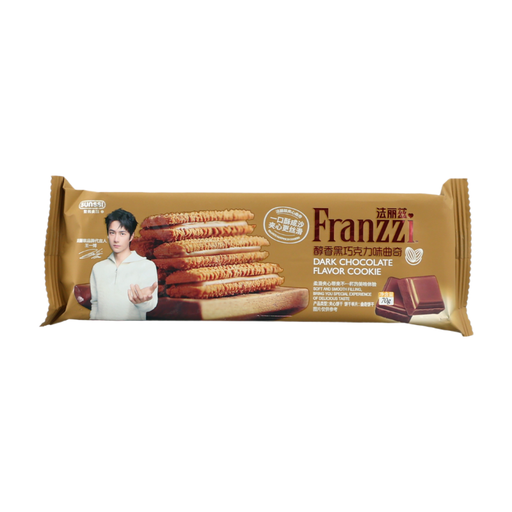 Image unavailable
Franzzi Premium dark chocolate-flavoured biscuits, 70 g
An option if you’re looking for a small pack of dark chocolate-flavoured biscuits. The word ‘flavour’ doesn’t tell you how much cocoa the chocolate contains; check the packaging if that matters to your choice.
If you have an allergy, check the current label for this product.
View on Joybuy
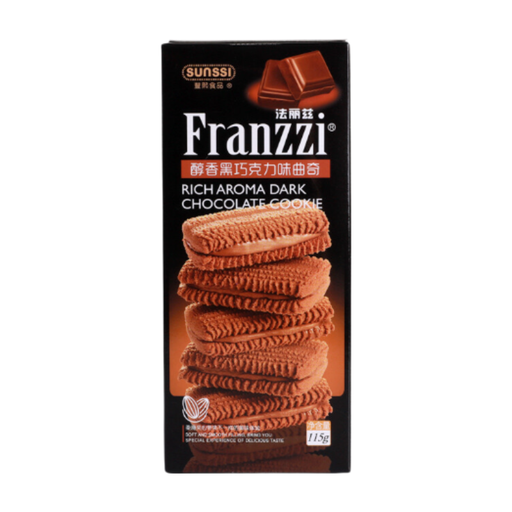 Image unavailable
Franzzi Mellow dark chocolate-flavoured biscuits, 115 g
If you’re choosing biscuits to serve visitors, the 115 g pack is the main difference from the smaller Franzzi option above. Check the number of portions on the packaging before serving.
Check the cocoa percentage separately if you want to choose based on that, and read the current label if you have an allergy.
View on Joybuy
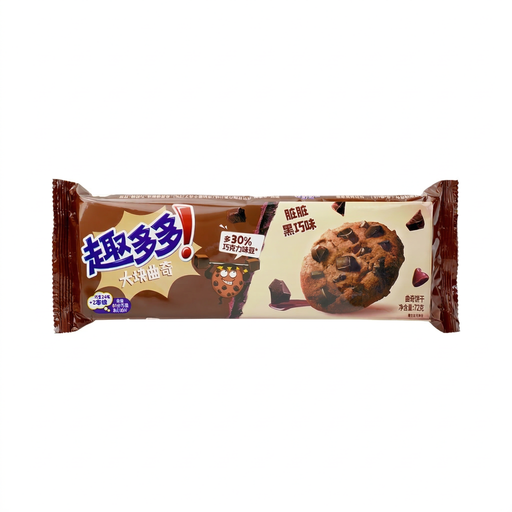 Image unavailable
quduoduo Chunky Cookies with a dark chocolate flavour, 72 g
These 72 g Chunky Cookies are an option if you’re looking for this style of biscuit rather than a small biscuit with a chocolate coating. Check the packaging to see how many portions you can serve.
‘Dark chocolate flavour’ doesn’t indicate a cocoa percentage; also check the allergens for the product you choose.
View on Joybuy
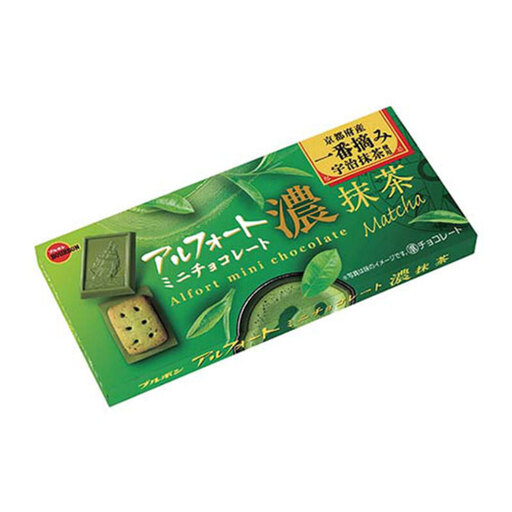 Image unavailable
Bourbon Alfort Mini Chocolate Dark Matcha, 12 pieces, 60 g
The 12 minis in a 60 g pack offer another portion size for visitors. Choose this option only if matcha alongside chocolate suits the flavour profile you’re looking for.
Before buying, check the label for ingredients, allergens and the cocoa percentage if that matters to your choice.
View on Joybuy
Frequently asked questions
Does ‘dark’ mean a biscuit has a high cocoa content?
No. ‘Dark’ doesn’t tell you the cocoa percentage of the chocolate used. For example, Albert Heijn lists 63% dark chocolate for AH Zaans huisje and a coating of 27% dark chocolate for AH Gesuikerde biscuits; both figures relate to the composition of the biscuit. To check the cocoa content, look for a separate percentage on the packaging.
What should I look for in chocolate biscuits during pregnancy?
Count the caffeine in chocolate towards your total daily caffeine intake. The Netherlands Nutrition Centre advises limiting your total caffeine intake during pregnancy to no more than 200 mg per day from sources including chocolate, coffee, tea and cola.
How can I check the allergens in a biscuit made with dark chocolate?
Read the ingredients and allergens on the current packaging of the exact biscuit you’re buying. The Netherlands Food and Consumer Product Safety Authority explains how allergens are listed on labels. If cross-contamination is relevant to you, also check for any ‘may contain’ warning.
How can I keep rusks and biscuits fresh for visitors meeting the new baby?
Store rusks in a cool, dry, dark place in a tightly sealed container, as advised by the Netherlands Nutrition Centre. Seal opened biscuit packs securely too, and follow the storage instructions on their own packaging.


