
Vandaag of morgen in huis

Kwaliteit gegarandeerd

Welkomstaanbiedingen ontgrendelen: GRATIS bezorging | Tot 80% korting | Gratis 30 dagen JoyPlus-proefperiode
Download de app
Dry, frizzy or brittle hair doesn't automatically mean you need a cupboard full of products. The right combination depends on your hair type, the extent of the damage and your daily habits. With a targeted routine, you can make your hair more manageable and help support the appearance of shine and softness.
An intensive hair mask or lots of hair oil can feel lovely on thick, dry hair, but fine hair can end up looking limp or greasy. So don't just look at terms like "intensive hydration" – also check the recommended hair types and the texture of the product.
Damaged hair isn't the same as a skin condition you can treat and cure. Products can temporarily make the hair surface feel smoother or help to care for your hair better. According to a brand's own research or product information, certain ingredients may contribute to a particular effect, but this isn't a guarantee for every hair type.
Always check the ingredients list, instructions for use and warnings. A conditioner for damaged hair, for example, may be mainly suitable for the lengths and ends, while a leave-in hair treatment is designed to stay in the hair after washing.
Using a shampoo, conditioner, hair mask, serum and oil in every wash sounds thorough, but it makes it difficult to work out what your hair actually needs. Start with one basic product instead, and only add a treatment when your hair feels like it needs it.
For fine, dry hair, a light emulsion or spray is often a better fit than a very rich cream. Thick, curly or chemically treated hair, on the other hand, can benefit more from a conditioner, mask or oil with a fuller texture.
Look out for these indicators:
Check whether the product contains silicones, fragrance, oils, proteins or preservatives. Silicones can make hair feel smoother, while oils can provide more nourishment and shine. That doesn't mean one ingredient is suitable or unsuitable for everyone.
If you have a known allergy, always look at the full ingredients list. Products for external use must not get into the eyes. Stop using the product if irritation occurs and follow the safety information on the packaging.
A hair mask is usually intended for use after washing and needs to be rinsed out. A leave-in product stays in the hair and therefore requires a small amount, especially on fine hair. An oil can be used on towel-dried hair or as a finishing touch on dry hair.
Follow the packaging for the recommended leave-in time. An intensive hair treatment isn't automatically more effective if you leave it on for longer. Also check the volume, shelf life after opening and whether the packaging might be a new or old version.
The options below have been selected based on the available product information, volume, application and stated hair types. They are not all intended for the same routine.
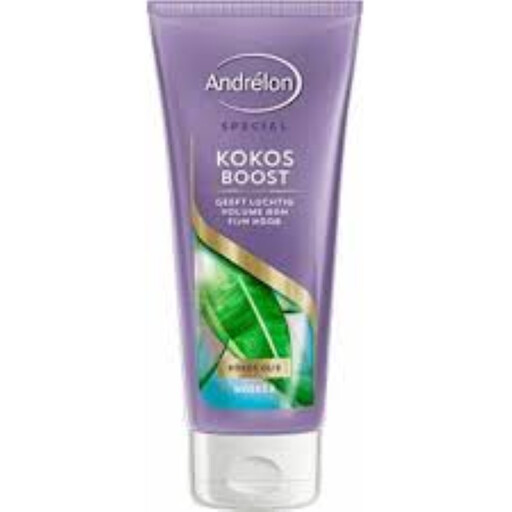
Why this fits the profile: The short leave-in time makes this mask practical for a simple routine. According to the product description, it is aimed at fine hair and contains coconut oil.
The stated application time of 3 to 5 minutes helps prevent you from leaving a quick-use mask on for too long. Apply it starting about 5 centimetres from the hair root.
180 ml volume, a short leave-in time and a formula free from parabens according to the product data.
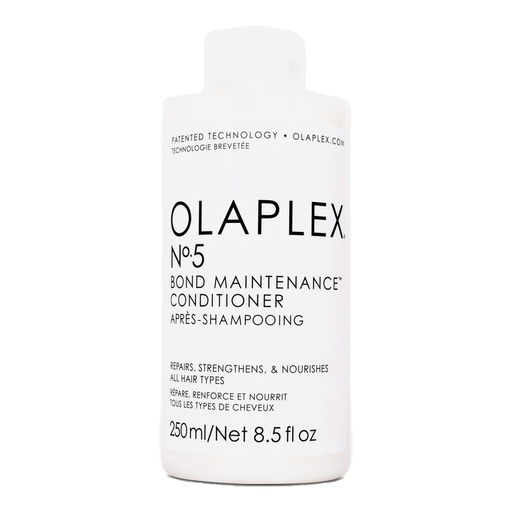
Why this fits the profile: According to the product information, this conditioner is suitable for all hair types, including bleached and coloured hair. That makes it interesting for anyone looking for one nourishing product for a regular routine.
The product data explicitly states suitability for coloured hair and a sulphate-free formula. Check the current packaging if these features are decisive for you.
250 ml volume; according to the product information, vegan, colour-safe and designed for hydration and care.
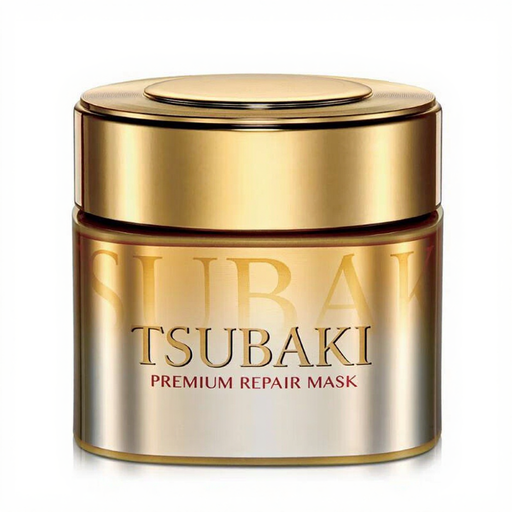
Why this fits the profile: According to the product description, this mask is intended for dry, damaged, coloured and chemically treated hair. The recommended frequency is 1 to 2 times per week.
The clear weekly application prevents you from using a rich mask with every wash. Rinse it out thoroughly after 5 to 10 minutes.
180 g volume; according to the product data, contains camellia seed oil among other ingredients and is free from sulphates and parabens.
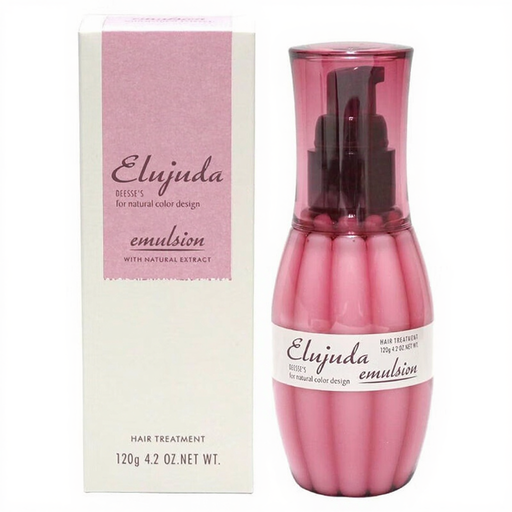
Why this fits the profile: According to the product data, this variant is aimed at dry, fine hair. An emulsion can be practical when you want to add hydration without immediately using a heavy oil.
The product information advises applying it to the ends and on hair that is about 70% dry. This helps reduce the chance of a heavy feeling at the roots.
120 g volume; according to the product description, contains baobab oil and is designed to support moisture and shine.
We've put together a full, up-to-date list of products that fully meet these strict selection criteria and comply with current European safety regulations.
With coloured hair, it's wise to check whether the manufacturer states the product is suitable for coloured hair. For blonde hair, a specific line, such as a professional blonde mask, may be a better fit than a general treatment. A professional hair treatment for home use mainly requires carefully following the instructions.
A conditioner can generally be used with every wash according to the label. A rich hair mask for dry hair is usually suitable for once or twice a week. Fine hair can become heavy more quickly, so start with a small amount.
It can, but the dosage is important. Apply one small amount to the ends and avoid the roots. A light emulsion or leave-in spray may be a more suitable first step if oil quickly makes your hair look flat.
Choose leave-in hair treatment when you want extra smoothness or detangling after washing without rinsing again. Conditioner remains intended for use in the shower and is rinsed out. You can use both, but adjust the amount to avoid build-up and a heavy feeling.
