What should you look for when buying?
Start with the gap behind the sofa. Then consider the upholstery, storage space, dust collection and, if relevant, the rug separately.
| What to consider |
What should you look for? |
Who is this important for? |
| Reach behind the sofa |
Measure the gap and check the shape of the crevice tool. Also see whether the hose and vacuum can move alongside the furniture. |
If I mainly find hair in the narrow gap behind the sofa, I want to know whether the tool will fit. Around 31% of consumers say reach behind the sofa is their top priority. |
| Upholstery |
Check whether an upholstery tool or mini turbo brush is included and suitable for the fabric. |
I also want to remove hair from the fabric sofa, so I’m looking for an upholstery attachment, not just one for the floor. Around 25% of consumers put sofa upholstery first. |
| Storage in a small flat |
Compare the dimensions, parking position and space needed for the hose, tube and attachments with the space you have available. |
When storage space is limited, I want to be able to put the whole set away after use. Around 19% of consumers consider storage the most important factor. |
| Dust collection and maintenance |
Compare using compatible dust bags with emptying a dust container. Follow the manual for your exact model when it comes to filters. |
I want to know in advance whether I’d rather replace bags or empty a dust container and maintain the filters. Around 13% of consumers mainly choose based on dust collection and maintenance. |
| Hair in a rug |
Check whether the model includes a suitable carpet or turbo brush. For carpets, also look at independent results for hair pick-up and suction resistance. |
If it’s mainly the rug by the sofa that traps hair, I want to assess that task separately from cleaning the gap. Around 12% of consumers prioritise the rug. |
Joybuy products for crevices and sofa upholstery
These Joybuy picks are bagged cylinder vacuum cleaners with separately listed tools for crevices and upholstery.
 No image available
Miele Guard S1 Parquet Flex
The product description lists a flexible XL crevice tool and a separate upholstery tool for cleaning crevices and upholstery.
The product name specifies 890 W, a Parquet Twister brush, a 3,5 l dust bag and a 10 m operating radius. The dust bag needs replacing when it’s full.
View at Joybuy
 No image available
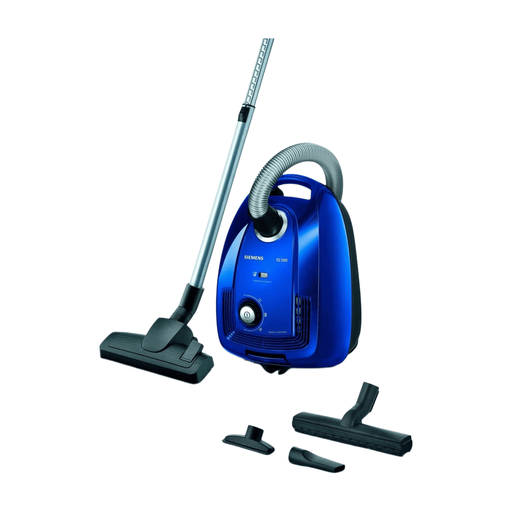
Siemens iQ300 VSC3320 Allergy Plus
The product description lists a crevice tool and an upholstery tool for separate cleaning tasks.
The description specifies a 4 l dust bag, described as washable, along with a telescopic tube and parking aid.
View at Joybuy
Frequently asked questions
Do I need the same brush for hair behind the sofa as for hair on the upholstery?
Not necessarily. Check for a suitable crevice tool for the gap, and an upholstery tool or mini turbo brush for the fabric. Miele and AEG describe these as separate tools for the models listed.
How should I maintain a vacuum cleaner if I often vacuum up pet hair?
Empty the dust container or replace the bag in good time, and follow the filter instructions in the manual for your model. The European Commission warns that an overfull bag or dust container can reduce performance. AEG advises checking the manual for the exact filter instructions for your model.
Do I always need dust bags and an extended warranty?
Dust bags are an ongoing purchase only for a bagged model; if you choose one, check which type it takes. You don’t need to buy an extended warranty to have statutory rights. According to the Dutch government, if a product is faulty, the seller must provide an appropriate solution, depending on the circumstances.
Do cylinder vacuum cleaners in the Netherlands need a compulsory EU energy label?
The European Commission says that the previous EU energy labelling rules for vacuum cleaners no longer apply. According to the Commission, vacuum cleaners powered by mains electricity are still subject to applicable ecodesign requirements, so don’t mistake an old energy rating for a current compulsory label.
What are my rights when buying online in the Netherlands?
According to the Dutch government, when you buy from a business at a distance, you usually have a 14-day cooling-off period; the seller must tell you about it. You’re also legally protected if a product isn’t of satisfactory quality, although there’s no single statutory warranty period that applies to every product.


