
Vandaag of morgen in huis

Kwaliteit gegarandeerd

Welkomstaanbiedingen ontgrendelen: GRATIS bezorging | Tot 80% korting | Gratis 30 dagen JoyPlus-proefperiode
Download de app
Good cycling sunglasses protect your eyes during sunny rides from bright light, wind, dust and splashes of dirt. However, it is not wise to judge them solely by their dark lenses or sporty appearance. Some glasses become loose after just a few kilometres, fog up during exertion or let through too little light for rides with changing conditions.
The main purchasing pitfalls are:
Confusing polarisation with complete protection
Polarised lenses can reduce glare from tarmac, water and metal surfaces. On its own, this says nothing about the level of UV protection or impact resistance. Check separately that UV400 protection and the lens material are clearly stated.
Taking a universal fit too literally
Cycling glasses described as suitable for many face shapes may still be too wide or too narrow. Look for adjustable nose pads, non-slip arms and the stated dimensions. A stable fit is particularly important for mountain biking glasses on bumpy trails.
Choosing a dark lens without checking light transmission
A dark lens is not automatically suitable for every ride. For example, the Revoray Y1 models state visible light transmission of approximately 15.2%. That is more suitable for bright weather than for a cloudy morning or a forest route. For changing light conditions, photochromic cycling glasses may be more practical.
Choose cycling glasses with a clear statement of UV400 protection. According to the product information for the models mentioned, this designation is intended to block UV radiation within the relevant range. Also check the product page, as terms such as “HD”, “sport” or “impact-resistant” do not replace a specific protection specification.
Many cycling glasses use polycarbonate, TAC or a similar plastic lens material. Polycarbonate is often used because it combines low weight with impact resistance. TAC lenses are used in polarised models to filter reflections. However, no recreational cycling glasses are designed for extreme-impact work, welding or looking directly at the sun.
Polarised cycling glasses are particularly useful if you often ride on roads with lots of reflections. The technology can reduce distracting glare from wet tarmac, water and metal surfaces. This can be helpful during a sunny road cycling ride or along an exposed embankment route.
Photochromic cycling glasses adjust the lens tint based on UV exposure, according to the product description. For the OutdoorMaster models, the stated category ranges from Cat.0 to Cat.3. Bear in mind one practical limitation: behind car windows, a photochromic lens may not darken as much because the glass blocks some of the UV radiation.
Also consider light transmission, ventilation and lens shape. A wide, curved lens can provide a broader field of vision, while ventilation openings may help limit condensation during intensive cycling.
Lightweight cycling glasses help prevent pressure on your nose and ears during longer rides. The selected models have stated weights ranging from approximately 25.5 to 33 grams. The difference may seem small, but it can be noticeable when you wear the glasses for several hours.
Cycling glasses with a TR90 frame are made from a flexible thermoplastic material. According to the product descriptions, these frames combine flexibility with shape retention. Also look for:
If you are looking for road cycling glasses, you may value a streamlined shape. For mountain biking glasses, stability, a wide field of vision and an impact-resistant lens are often more important than aerodynamics.
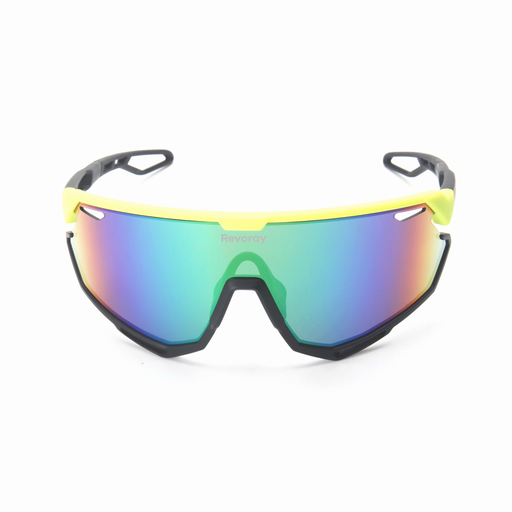
Why it suits this profile: According to the product information, this model combines a PC lens, UV400 protection and a frame weight of approximately 30 grams. This makes it suitable for recreational cyclists looking for simple sports glasses for everyday rides.
The specifications mention more than just a sporty design: they also state the lens material, weight and UV400 protection. The rubber nose pad and non-slip arms are designed to help prevent the glasses from shifting during movement.
Approximately 30 grams, integrated PC lens, UV400 protection and a streamlined shape.

Why it suits this profile: The product information lists polarised TAC lenses, UV400 protection, a TR90 memory frame and an aerodynamic shape. This makes it a good choice for road cyclists who value reduced glare and a stable fit on open, sunny roads.
The lens is not simply dark-tinted: the product description separately mentions polarisation, UV400 protection and impact resistance. The included protective case helps protect the lens from scratches during storage.
Polarised TAC lens, TR90 memory frame, stated UV400 protection and aerodynamic design.

Why it suits this profile: According to the product information, these cycling glasses combine photochromic and polarised technology. The stated weight is between 26 and 29 grams, depending on the lens variant. This makes them suitable for cyclists who regularly ride between open sunlight, shade and changing weather conditions.
You are less dependent on one fixed lens tint. However, check which lens variant is supplied in advance and bear in mind the limitations of photochromic lenses behind car windows.
Photochromic and polarised PC lens, stated UV400 protection, adjustable nose pads and low weight.
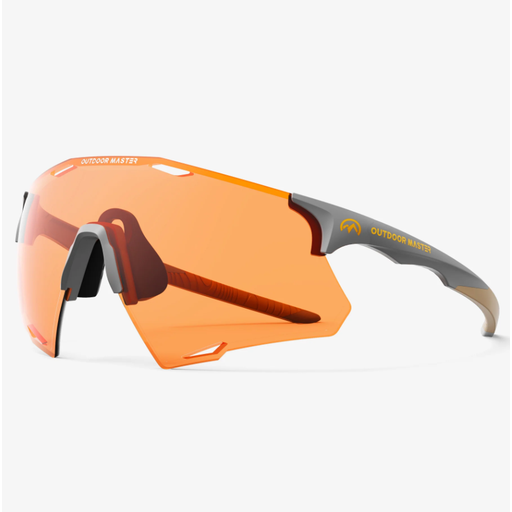
Why it suits this profile: The stated weight of 25.5 grams, ventilated lens and adjustable nose pads are well suited to long rides and intensive training. According to the product information, the curved lens is combined with a wider peripheral field of vision.
Ventilation and adjustability address two common problems: fogging and shifting. Clean the lens with the supplied cloth and replace the glasses if the lens becomes damaged.
Approximately 25.5 grams, polarised polycarbonate lens, stated UV400 protection and ventilated design.
We have compiled a complete, up-to-date list of products that fully meet these strict selection criteria and the applicable European safety regulations.
Not always. Polarisation is particularly useful in bright sunlight and when dealing with reflections from tarmac, water or vehicles. In low light, a lens with low light transmission may be less practical. For commuting in changing conditions, a clear, lighter or photochromic lens may be a better choice.
First rinse off any dust with clean water. Then gently wipe the glasses with a soft microfibre cloth. Do not use alcohol or aggressive cleaning products if the product information advises against them, as they may damage the coatings. Store the glasses in a pouch or hard case, and do not leave them loose with keys or other sharp objects.
Replace the glasses as soon as the lens develops deep scratches, cracks or permanent clouding. A frame that sits crookedly or no longer stays securely in place may also be a reason to choose a new model. Cycling glasses are intended for recreational sport and do not replace certified eye protection for high-impact work.
