
Vandaag of morgen in huis

Kwaliteit gegarandeerd

Welkomstaanbiedingen ontgrendelen: GRATIS bezorging | Tot 80% korting | Gratis 30 dagen JoyPlus-proefperiode
Download de app
Cycling sunglasses protect your eyes from bright light, wind, dust and road spray while you ride. However, it is not wise to rely solely on a striking frame or the term “sports sunglasses”. Some models slip down while riding, fog up in changing conditions or offer less protection than the product presentation suggests.
In this buying guide from the Joybuy Product Recommendation Officer, you’ll discover which specifications can be verified, which common pitfalls to look out for and which type of cycling glasses best suits your needs.
A tinted lens can be comfortable in bright sunlight, but its colour alone says nothing about UV protection. Check whether the product information states UV400. According to the product descriptions of the models mentioned, UV400 refers to protection against UV radiation up to 400 nanometres. Also look for clear information about the lens material and product compliance.
Many sports sunglasses for cycling use polycarbonate, often abbreviated to PC, or TAC lenses. Product information describes these materials as impact-resistant. This makes them suitable for recreational cycling and outdoor sports, but not for tasks such as grinding, welding or machining. Replace your cycling glasses if the lens becomes visibly scratched or damaged.
Lightweight cycling glasses may appear comfortable on paper, but glasses that are too wide can press against your helmet or shift as you move. Pay attention to the stated fit, frame width, adjustable nose pads and anti-slip materials. For a medium to large face, a wider model with a curved lens may provide greater coverage. Fit is always personal: a product description may say “suitable for most face shapes”, but that is no guarantee for every user.
Cycling glasses with UV400 protection are a practical choice for daytime rides, provided this feature is clearly stated in the product specifications. The lens category indicates how much visible light passes through. A dark lens can be comfortable on sunny roads, while a lighter lens is often more practical on wooded routes or in overcast weather.
According to the product description, photochromic cycling glasses adjust their tint according to UV exposure. For various OutdoorMaster models, this ranges from category 0 to category 3. Bear in mind that car windows can block UV radiation, meaning a photochromic lens may not become as dark inside a car. This technology can be useful when cycling through tunnels, woodland and open areas, but the transition is not always immediate.
Polarised cycling glasses are designed to reduce distracting reflections from wet roads, water and light-coloured surfaces, among other things. This can make it more comfortable to see in sunny conditions. However, polarisation does not replace a UV400 statement and is not essential for every situation. If you mainly cycle in changing light, you may benefit more from a photochromic lens than from a fixed, dark polarised lens.
TR90 cycling glasses use a lightweight, flexible thermoplastic material for the frame. The models in this selection weigh approximately 25.5 to 30 grams. A low weight reduces pressure on your nose and ears, but a secure fit is just as important.
For mountain bikers, a wide lens, anti-slip nose pads and impact-resistant properties are all relevant. Mountain biking glasses must also stay securely in place on bumpy trails. Road cyclists may prefer to look for a streamlined frame. According to the product description, aerodynamic cycling glasses can reduce the design’s wind resistance, but the effect depends on speed, riding position and fit.
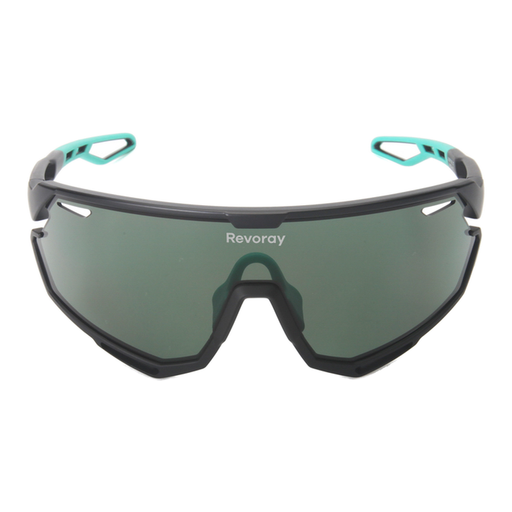
Why it suits this profile: This model combines an integrated PC lens with a UV400 statement and a TR90 frame. This gives you the essential features for everyday rides without immediately needing additional lens systems.
The product information specifies the materials, a weight of approximately 30 grams and rubber nose and ear pieces. This provides more reassurance than a general claim about sports use alone.
TR90 frame, integrated PC lens, UV400 statement, streamlined design and a stated limited one-year warranty.
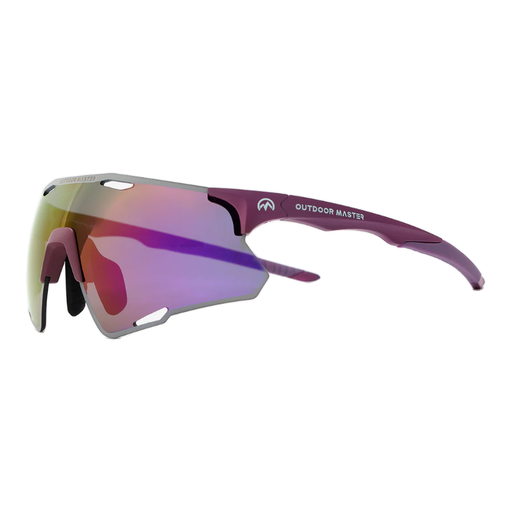
Why it suits this profile: This model is aimed at cyclists who value polarisation, low weight and adjustability. The product information states a weight of 25.5 grams, adjustable nose supports and a ventilated lens design.
Adjustable nose pads help avoid the limitations of a fixed universal fit. The ventilation is designed to reduce the likelihood of fogging during exertion, although weather conditions still have an impact.
Polarised PC lenses, UV400 statement, TR90 frame, ventilation and supplied storage case with adjustable nose supports.

Why it suits this profile: These cycling glasses are aimed at users who often cycle between open sun, shade and changing light conditions. The product description states that they use both photochromic and polarised PC lenses.
The combination of lens functions means you are not reliant solely on a fixed dark lens. However, check that the tint transition and fit suit your routes.
Photochromic and polarised PC lenses, UV400 statement, TR90 frame, adjustable nose pads and a stated weight of 26 to 29 grams.
We’ve put together a complete, up-to-date list of products that fully meet these strict selection criteria and the applicable European safety regulations.
A polarised lens can be useful in bright sunlight and when dealing with reflections from wet roads or water. In highly changeable light conditions, photochromic cycling glasses may be more practical. Always check the stated UV400 protection and the fit separately.
Their lifespan depends on use, storage and care. Replace the glasses as soon as the lens becomes deeply scratched, cracked or otherwise damaged. A loose frame or worn anti-slip material may also be a reason to choose a new model.
The price varies mainly according to the lens functions, adjustability, included accessories and choice of materials. So do not compare prices alone; also compare UV400, lens material, weight, ventilation, fit and the warranty or returns terms. This helps prevent a cheap pair of cycling glasses from ultimately proving impractical for your needs.
