
Vandaag of morgen in huis

Kwaliteit gegarandeerd

Welkomstaanbiedingen ontgrendelen: GRATIS bezorging | Tot 80% korting | Gratis 30 dagen JoyPlus-proefperiode
Download de app
If you're serious about road cycling or mountain biking, you know that the right equipment makes all the difference. A good pair of cycling sunglasses isn't a luxury; it's an essential part of your kit. They not only protect your eyes from the sun, wind, and flying debris but also enhance your vision, thereby improving your performance and safety. However, the market is vast, and the specifications can be overwhelming.
My name is Joy, and as a Product Recommendation Officer at Joybuy, I'm here to help you see past the marketing jargon. In this article, I'll provide practical guidance to help you make an informed decision and highlight a few popular models for you.
Before we dive into specific models, it's important to know which features truly matter. Focus on the following three points to find sunglasses that suit your rides.
The lenses are the heart of your cycling sunglasses. The technology determines what you see and how well your eyes are protected.
Sunglasses that don't fit properly are a distraction. For cyclists, a stable fit is crucial. Pay attention to the following features:
Do you wear prescription glasses? You don't have to compromise. Many modern cycling sunglasses offer a solution in the form of a 'prescription inner frame'. This is a small, removable frame that you clip in behind the main lens. Your optician can fit it with prescription lenses. This way, you combine the benefits of prescription cycling sunglasses with the protection and design of a high-performance sport model.
Based on objective specifications and functionality, we have selected models that are compelling for performance-oriented cyclists.
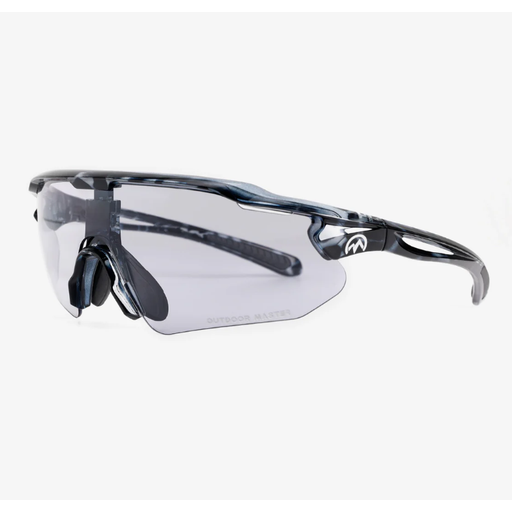
Why It Stands Out: This model combines two powerful lens technologies: photochromic and polarized. The sunglasses adapt to changing light while simultaneously filtering out distracting glare. This makes them a versatile choice for rides that take you through both open fields and dense woods.
Key Features:
Who It's For: The cyclist who wants a single pair of sunglasses for all weather and light conditions. Ideal for long tours and for those who appreciate the extra clarity of polarization.
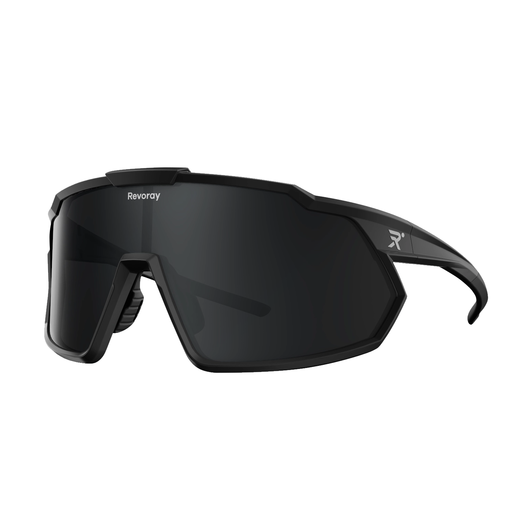
Why It Stands Out: These sunglasses focus on durability and clear vision in sunny conditions. The HD TAC polarized lenses are designed to effectively reduce glare. According to the manufacturer, the glasses are certified to the ANSI Z87.1 standard for impact resistance, which provides added peace of mind during athletic use.
Key Features:
Who It's For: The performance-oriented road cyclist or mountain biker who primarily rides in bright, sunny conditions and values robust sunglasses with excellent anti-reflective properties.

Why It Stands Out: Weighing only 25.5 grams, this is one of the lighter models on the market. The combination of a minimalist TR90 frame, ventilated lenses, and a wide field of view makes this an excellent choice for cyclists who prioritize comfort and an unobstructed view.
Key Features:
Who It's For: The cyclist for whom every gram counts and who seeks maximum ventilation to prevent fogged lenses during intense efforts. A great option for both training and racing.
The right cycling sunglasses are a personal choice. The models above provide a good overview of the possibilities, but there are, of course, more options available. If you're looking for different styles or specific features, take a look at our broader category.
Explore More Sun Protection Options
A polarized lens has a special filter that blocks horizontal glare (reflections). This is especially useful on wet roads or with a low sun. A photochromic lens changes tint based on the amount of UV light; it gets darker in the sun and lighter in the shade. Some sunglasses, like the OutdoorMaster HAWK LT, combine both technologies.
Not necessarily. The price is often determined by the brand, materials used, and advanced lens technologies. A more expensive pair might offer better optical clarity or more durable coatings. However, the most important thing is that the sunglasses provide the right protection (UV400), fit, and features for your specific use. A well-fitting €60 pair can work better for you than an ill-fitting €200 model.
Yes, you can. The most practical solution is a pair of sport sunglasses that comes with an included insert frame (also known as a 'prescription insert'). This is a small frame that you clip in behind the main lens of the cycling sunglasses. You can have your own optician fit this frame with lenses in your correct prescription. Models like the OutdoorMaster HAWK LT and LARK SV come standard with such a frame.
