
Vandaag of morgen in huis

Kwaliteit gegarandeerd

Welkomstaanbiedingen ontgrendelen: GRATIS bezorging | Tot 80% korting | Gratis 30 dagen JoyPlus-proefperiode
Download de app
Cycling sunglasses need to do more than simply block sunlight. During a ride in the Netherlands, you may encounter wind, rain, dust, low sun and reflections on wet tarmac. A pair that feels comfortable in the shop may shift, fog up or provide insufficient protection on the road.
So don’t focus solely on a sporty appearance. These three common pitfalls are particularly likely to leave cyclists disappointed afterwards:
According to the product specification, UV400 cycling glasses are designed to block UV radiation up to 400 nanometres. When buying, look for a clear mention of UV400 protection, rather than relying solely on terms such as “HD”, “sports lens” or “mirror coating”.
Polarised cycling sunglasses also use a filter that can reduce distracting reflections. This is particularly useful when light is reflected off water, wet roads, metal components and bright road markings. Polarisation does not automatically make a lens safer or more suitable for every type of weather. In low-light conditions, a dark lens may actually be impractical.
Polycarbonate (PC) is often used for cycling sunglasses with impact-resistant lenses. The material is known in product descriptions for being lightweight and highly impact-resistant. An integrated, curved lens can also provide a wide field of vision.
TAC lenses consist of multiple layers and are often combined with polarisation. They are worth considering if glare is a particular problem during sunny rides. Also check whether visible light transmission is specified. According to the product information, the Revoray Y1 models have a figure of around 15.2%, which is suitable for bright weather but may be less comfortable at dusk or in heavily overcast conditions.
Please note: “impact-resistant” does not mean “unbreakable”. OutdoorMaster’s product information, for example, explicitly states that the glasses are not intended for activities such as grinding or machining.
Lightweight cycling sunglasses do not automatically prevent pressure points. Also consider:
According to the product description, aerodynamic cycling sunglasses can reduce wind resistance around the frame. Treat this as a design feature, not a guarantee of noticeably faster performance. Fit and visibility remain more important than a streamlined appearance.
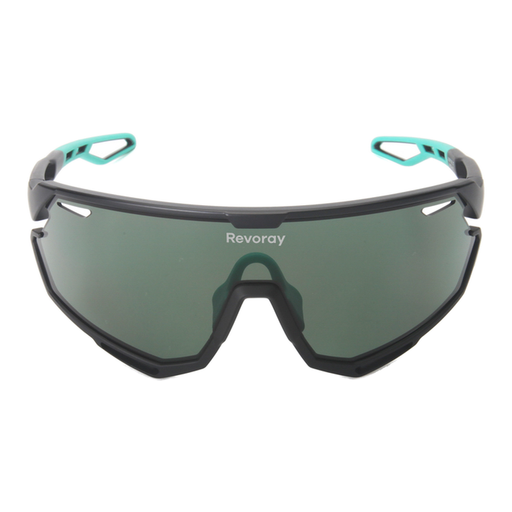
Why it suits this profile: A practical choice for recreational cyclists and beginners looking for lightweight cycling sunglasses without immediately opting for polarised lenses.
The product description specifically mentions a PC lens, UV400 protection, a rubber nose support and non-slip arms, rather than making only general sports claims.
TR90 frame, approximately 30 grams, integrated PC lens and streamlined design.
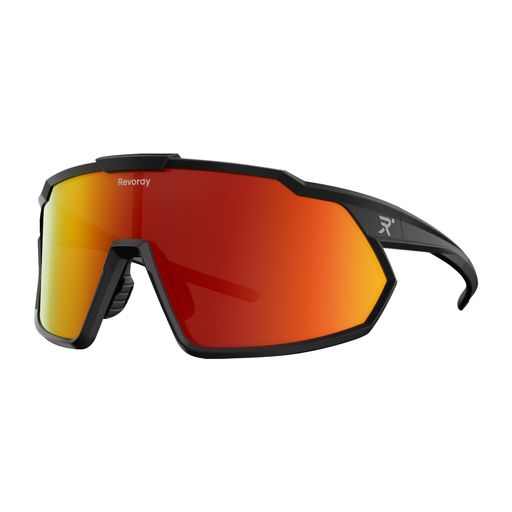
Why it suits this profile: Suitable for cyclists who experience a lot of glare in sunny weather and value coatings and an adjustable fit.
According to the product information, the lens is TAC-polarised and has a specified light-transmission level, making it easier to assess the conditions it is designed for.
Approximately 33 grams, TR90 frame, UV400 according to the product description, adjustable silicone nose supports, and water- and oil-repellent coating.

Why it suits this profile: An option for road cyclists and mountain bikers who want to combine polarisation, a sturdy storage kit and a sporty frame.
The product information mentions TAC polarisation, UV400 and impact-resistant properties. It also states that the lenses are not unbreakable.
TR90 memory frame, polarised TAC lenses, UV400 according to the product information, supplied with an EVA case, cord and test card.
We have put together a complete, up-to-date list of products that fully meet these strict selection criteria and the applicable European safety regulations.
Not always. Polarisation can reduce glare from wet tarmac, water and metal surfaces, but a dark polarised lens may let too little light through in overcast weather or in the evening. So check the light-transmission level and choose a lens that suits how you use it. For changing conditions, a lighter or interchangeable lens may be more practical.
First rinse off dust and grit with clean water. Then gently wipe the lens with a soft microfibre cloth. Do not use alcohol, abrasive sponges or aggressive cleaning products if the product information advises against them. Store the glasses in a protective case and do not leave them in a hot car for extended periods.
Replace the glasses as soon as the lens develops deep scratches, cracks or permanent distortion. A frame that no longer fits securely may also be a reason to choose a new model. A stated warranty period, such as the one-year limited warranty offered with certain Revoray models, says something about the service terms and does not automatically indicate the product’s total lifespan.
