
Vandaag of morgen in huis

Kwaliteit gegarandeerd

Welkomstaanbiedingen ontgrendelen: GRATIS bezorging | Tot 80% korting | Gratis 30 dagen JoyPlus-proefperiode
Download de app
Cycling sunglasses need to do more than look sporty. During a ride along Dutch dykes, polder roads or forest trails, you may encounter low sun, wind, dust, rain and rapidly changing light conditions. The wrong glasses can fog up, slip out of place or be too dark when you enter a tunnel or wooded stretch.
Pay particular attention to these three common pitfalls:
Cycling glasses with UV400 protection are designed to block UV radiation up to 400 nanometres. Check that this is clearly stated in the product details and that the information comes from a product specification. For the models below, the manufacturer states that they offer UV400 protection; this is a claim from the product information and not a general guarantee for every pair of sports glasses.
The lens category is at least as important. Photochromic cycling glasses adjust their tint according to UV exposure, based on the product description. For several OutdoorMaster models, this ranges from category 0 to category 3. This can be useful when moving between open terrain and shade. Bear in mind that a windscreen can filter UV radiation. According to the manufacturer's safety information, this means that a photochromic lens may not become as dark inside a car.
Polarised cycling glasses reduce distracting glare from wet tarmac, water and bright road surfaces. This can be useful when cycling, driving, fishing and playing golf. However, polarisation does not automatically make a lens suitable for every time of day: in low light, a dark lens may be less practical.
A photochromic lens responds to the amount of UV light instead. This makes the technology appealing to cyclists who ride longer routes in changing conditions. If you often cycle in bright sunlight, you may appreciate a polarised lens; if you move between sun and shade, photochromic cycling glasses may be the better choice. A combination of both features is also available, as with the OutdoorMaster HAWK LT.
TR90 cycling glasses use a thermoplastic frame that, according to the product information, is lightweight, retains its shape and is flexible. In addition to the material, pay attention to the weight, nose bridge and length of the arms. For example, the LARK SV models weigh 25.5 grams and have adjustable nose pads.
Ventilation helps limit condensation, but it does not prevent fogging in every situation. A curved lens can increase peripheral vision, while a close-fitting frame helps keep out some wind and dust. For mountain biking, an impact-resistant polycarbonate lens is practical, but no sports glasses are unbreakable. Do not use these glasses for grinding, machining, welding or other high-impact activities.
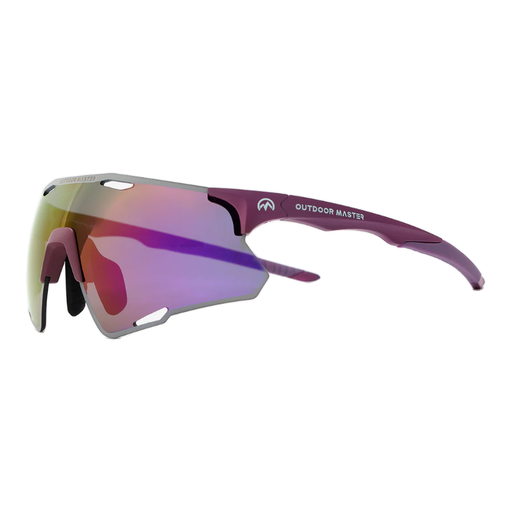
Why it suits this profile: These glasses combine a low weight with polarised polycarbonate lenses, making them suitable for recreational cyclists, runners and everyday outdoor use.
The product information mentions UV400 protection, adjustable nose pads and ventilation. This means you do not have to rely solely on the appearance or lens colour.
25.5 grams, TR90 frame, adjustable nose pads, ventilated lens design and a storage case included.

Why it suits this profile: The combination of photochromic and polarised lens technology is designed for cyclists who regularly move between bright light, shade and different outdoor activities.
The product description does not simply mention “HD”; it specifies polycarbonate, UV400, photochromic and polarised properties. According to the manufacturer, the lens becomes darker based on the light intensity.
TR90 frame, adjustable nose pads, 20% wider peripheral vision according to the product information, and a weight of 26 to 29 grams, depending on the version.
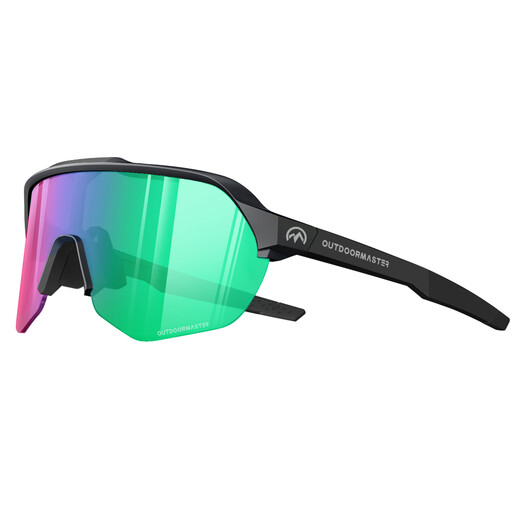
Why it suits this profile: The interchangeable lens makes this model appealing to cyclists, anglers, golfers and outdoor enthusiasts who do not want to buy separate glasses for every lighting condition.
Alongside the dark lens, a clear replacement lens is included. This provides a practical alternative for cycling in cloudy or low-light conditions, rather than relying solely on a marketing promise of versatility.
TR90 frame, polarised HD lens, UV400 protection according to the product information, and a clear replacement lens included.
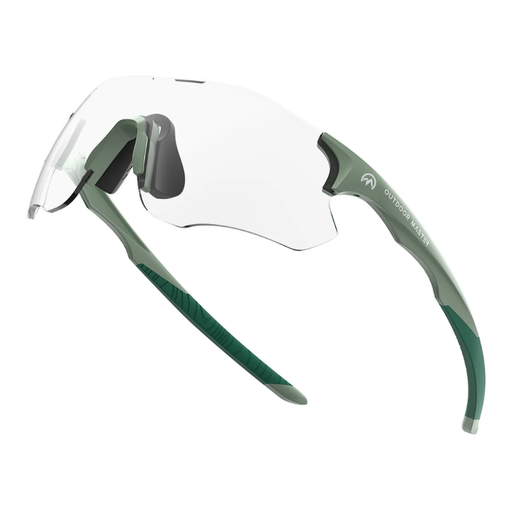
Why it suits this profile: The combination of a photochromic lens, polarised properties and non-slip gel is designed for longer bike rides and activities where light levels change quickly.
The product details mention a lens transition from category 0 to category 3, UV400 protection, a TR90 frame and a replaceable nose pad. These specifications offer more to go on than simply calling them “sports glasses”.
Photochromic HD lens, TR90 memory frame, non-slip gel, impact-resistant lens according to the product description, and an EVA case.
We have compiled a complete, up-to-date list of products that fully meet these strict selection criteria and the applicable European safety regulations.
No. A polarised lens can reduce glare, but a dark lens lets less light through. For evening rides or very dark conditions, a clear lens is the wiser choice. Sports sunglasses with interchangeable lenses may be more practical in this situation.
First, gently rinse away any visible dust, then use a clean microfibre cloth. Avoid harsh cleaning products, paper tissues and rubbing dry grains of sand across the lens. Store the glasses in the supplied case and replace the lens if deep scratches develop.
Their lifespan depends on use, storage and care. A frame may still fit well while scratches or a damaged coating make the lens less comfortable to look through. Check the glasses before every longer ride. If there is visible damage, replacing them is wiser than continuing to cycle with impaired vision.
