
Vandaag of morgen in huis

Kwaliteit gegarandeerd

Welkomstaanbiedingen ontgrendelen: GRATIS bezorging | Tot 80% korting | Gratis 30 dagen JoyPlus-proefperiode
Download de app
Anyone who cycles every day knows that good cycling safety equipment goes beyond just a cycle helmet. In the Netherlands, you have to contend with rain, dark cycle paths, busy junctions and changing surfaces. A product that appears to offer plenty of features on paper may be uncomfortable in practice, provide insufficient visibility or simply not suit the way you ride.
This buying guide helps you compare cycle helmets, cycle lights, cycling gloves and protective accessories based on verifiable features.
A helmet that is too loose can shift during a fall. A model that is too tight is often worn less because it feels uncomfortable. So do not rely solely on the S, M or L label. Measure your head circumference with a tape measure just above your eyebrows and compare it with the manufacturer’s size range.
Pay attention to the adjustment system, too. A dial at the back of the helmet allows for small adjustments. The chin strap should fit securely without digging in. Usually, you should be able to fit about one finger between the strap and your skin.
A cycle helmet with a light can be useful, but the light does not automatically replace proper cycle lights on your bike. Check whether the light is rechargeable, how long the operating time is according to the product description and whether it is easy to use.
A separate rear cycle light, such as the Dunlop Bike Rearlight K-Mark, is a practical addition. For a dynamo-powered bike, the Prophete LED E-bike Headlight / Taillight Bicycle Lighting StVZO Approved is worth considering because it connects to hub and sidewall dynamos. A StVZO designation is a product specification, but always check for yourself that the installation and use comply with Dutch traffic regulations.
For commuting, a lightweight cycle helmet is often more practical than a model with a large visor. When mountain biking, extra coverage at the back, a detachable visor and ventilation may be particularly relevant. For children, knee and elbow protection and wrist guards are especially useful for balance bikes, scooters and skating.
Do not just look at the material. Closures, adjustability and freedom of movement are important, too. Protection that shifts or becomes too hot may end up being left at home.
Check the following before buying:
Certifications should be verifiable on the product page or packaging. For example, the DKONI HS-158 lists CPSC, CE and ASTM. The OutdoorMaster RhinoUrban lists CPSC and ASTM. Do not treat such statements as a general guarantee for every situation; check the complete product label and instructions for use.
For a rear cycle light or front light, the following points are important:
With cycling gloves, size, fastening and material matter more than general comfort claims. Choose a size where the fingers are not pulled tight and the glove does not twist on the handlebars. For children aged 3 to 7, the RoyalBaby protective set lists a PVC outer shell, breathable inner layer and adjustable straps.
For more intensive mountain biking, padded protective shorts with hard shells around the hips, thighs and knees can provide additional coverage. Bear in mind that this type of product is bulkier and warmer than standard knee and elbow protection. Sports tape and a support bandage are not substitutes for professional assessment. Follow the instructions for use and stop if you experience pain, tingling or skin reactions.
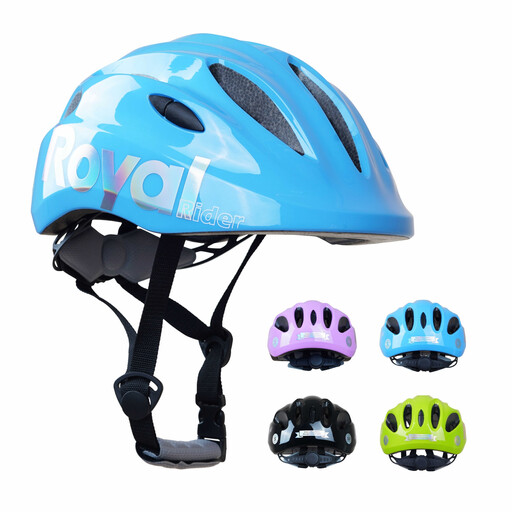
Why it suits this profile: This model is designed for children aged 5 to 13 and has an adjustment range of 52.05–55.88 cm. This enables parents to compare the fit directly with their child’s head circumference.
The dial and adjustable strap help prevent you from relying solely on an age indication.
PC outer shell, EPS inner layer, 10 vents and a removable, washable lining.
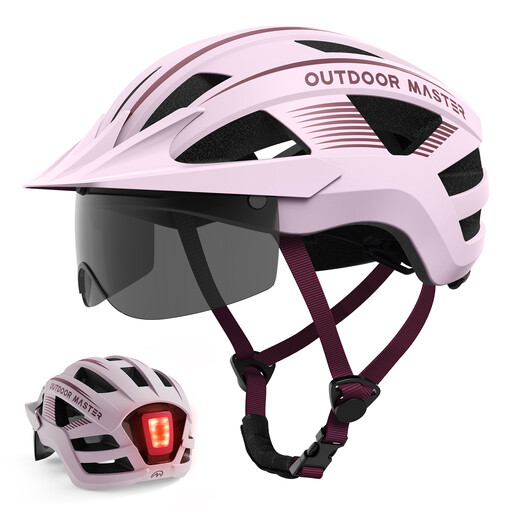
Why it suits this profile: Suitable for adults who alternate between urban rides, e-bike use, road cycling and mountain biking, and want to combine extra features.
Size L corresponds to 58–61 cm; the glasses and visor can also be removed for different rides.
17 vents, a USB-C rechargeable rear light and magnetically detachable goggles.
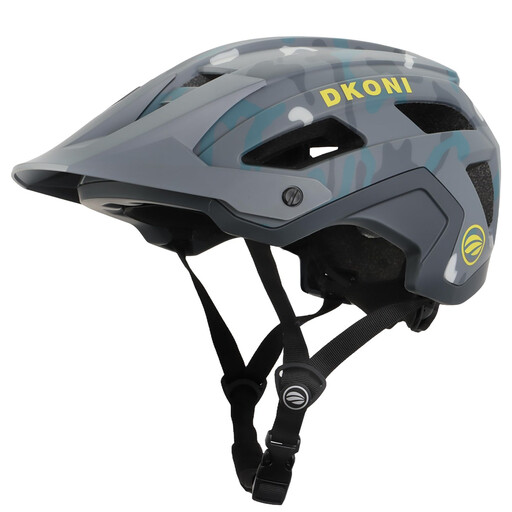
Why it suits this profile: This mountain bike helmet is designed for adults who ride on unpaved trails and value extra coverage and a detachable visor.
The sizing, 17 vents and washable inner lining are clearly specified, rather than relying only on general comfort claims.
PC and EPS construction, detachable ABS visor, adjustment dial and sizes for head circumferences up to 61 cm.
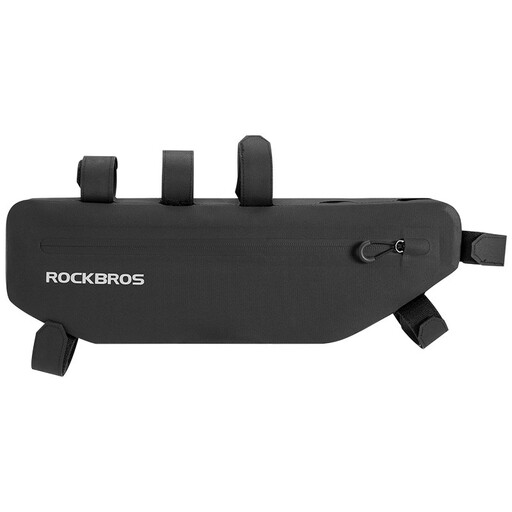
Why it suits this profile: Handy for anyone who wants to keep keys, a phone or small tools within easy reach without using a rucksack.
The dimensions and minimum recommended top tube length of approximately 42 cm are specified. Check these measurements before buying.
840D nylon with TPU coating, waterproof zip, reflective logo and tool-free installation.
We have put together a complete, up-to-date list of products that fully meet these strict selection criteria and the applicable European safety regulations.
Start with suitable front and rear cycle lights, reflective details and a cycle helmet if you use one for the type of ride you do. A pannier bag or waterproof frame bag can help you carry your phone, repair kit and waterproof clothing safely. Also check the attachment of lights and accessories regularly.
Its lifespan depends on use, storage and any impacts it may have sustained. Replace a helmet after a serious fall or collision in line with the manufacturer’s warning, even if there are no visible cracks. Store the helmet somewhere dry, away from direct sunlight and heat. Regularly check the shell, lining, fastening and straps.
Not always. An integrated light improves the cyclist’s visibility, but it does not automatically replace a properly positioned front and rear cycle light. For rides in the dark, combining working cycle lights, reflective components and a suitable helmet is a sensible approach.
